Billionaire Backing and Grassroots Gains: A Deep Dive into Election Funding Dynamics
As the election approaches, a comprehensive review of campaign finance reveals distinct fundraising strategies employed by the major political parties. While Democratic candidates have demonstrated a significant advantage in direct donations across crucial Senate races and numerous competitive House districts, Republican efforts are being bolstered by an unprecedented influx of outside money from super PACs. This dynamic landscape is further shaped by the emergence of Elon Musk as the cycle’s most prominent individual donor, channeling substantial funds into federal political groups.
Democratic nominees have showcased remarkable strength in grassroots fundraising, accumulating impressive sums in the third quarter. Notable examples include James Talarico in Texas, Jon Ossoff in Georgia, and Abdul El-Sayed in Michigan, who each raised tens of millions. This direct candidate funding is particularly impactful in the final stretch of a campaign, as it offers greater control over spending and often qualifies for more favorable advertising rates compared to super PACs. This fundraising edge extends to the House, where Democratic candidates have outraised their Republican counterparts in a majority of “Toss Up” races.
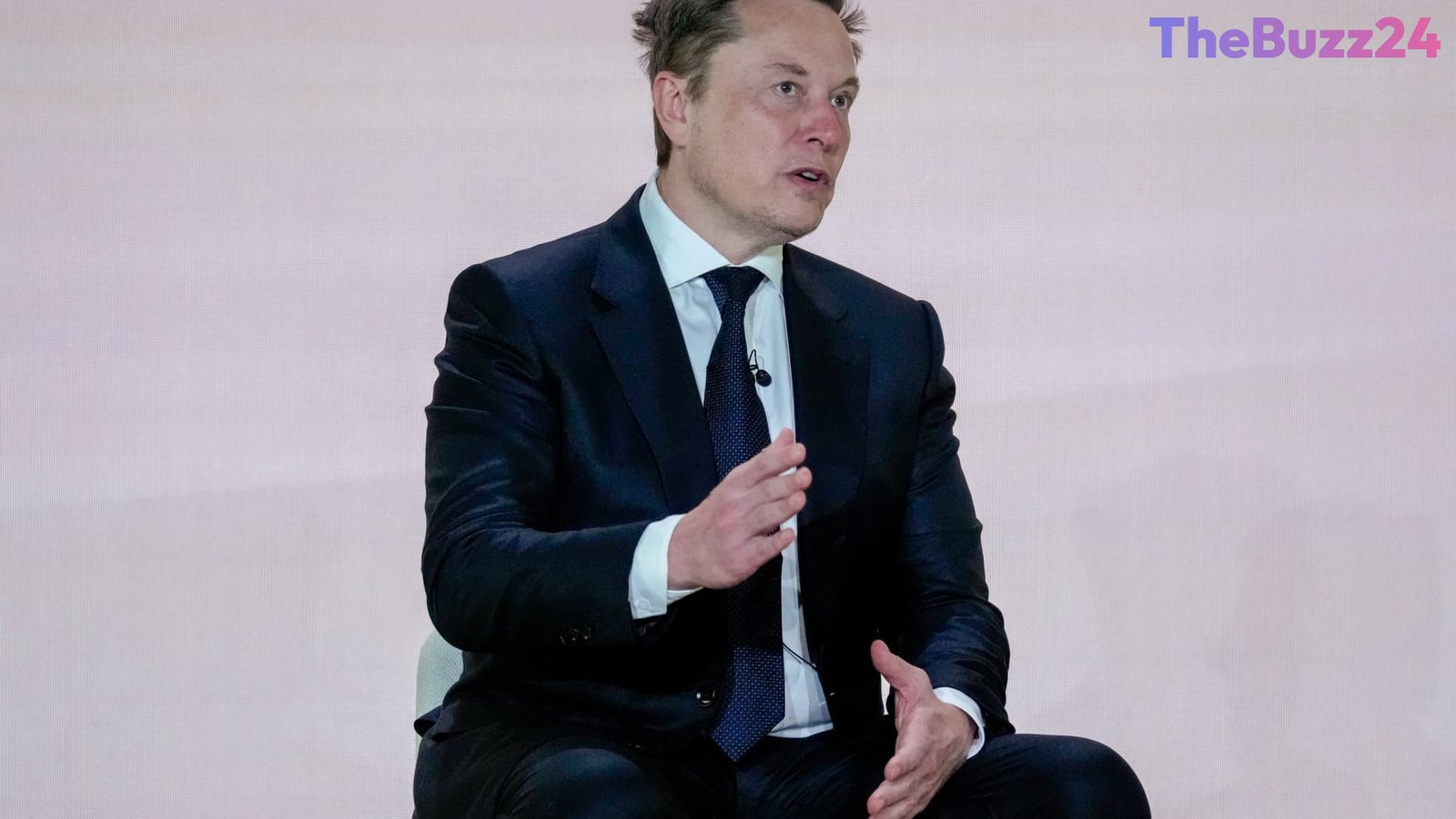
Conversely, Republicans are leveraging a robust network of super PACs to offset any direct fundraising deficits. The Senate Leadership Fund, a key GOP super PAC, reported a record-breaking quarter, significantly outraising its Democratic counterpart. Similarly, the Congressional Leadership Fund also achieved record hauls. A substantial portion of this outside capital originates from a select group of wealthy donors, with Tesla and SpaceX CEO Elon Musk leading the charge. Musk’s contributions, exceeding $276 million, primarily supported the Senate Leadership Fund and his America PAC, with a significant portion specifically directed towards bolstering Ken Paxton’s campaign in Texas. This strategic deployment of funds has allowed Republicans to maintain a strong financial presence in key battlegrounds.
The current election cycle is on track to shatter previous spending records, with projections indicating billions in political advertising. This surge in spending is driven by both direct candidate campaigns and the escalating influence of super PACs. While Democratic megadonors, including Facebook co-founder Dustin Moskovitz and LinkedIn co-founder Reid Hoffman, have also increased their contributions, the overall financial picture highlights a complex and increasingly opaque flow of money. A growing concern is the channeling of millions into super PACs through non-profit organizations and other entities not required to disclose their original donors, making it challenging to trace the ultimate source of some of the largest contributions.
Key Takeaways
- Democratic candidates hold a significant lead in direct fundraising, particularly in competitive Senate and House races.
- Republican campaigns are heavily supported by record-breaking outside spending from super PACs, often funded by a small circle of billionaires.
- Elon Musk has emerged as the largest individual donor, contributing over $276 million, with a notable focus on supporting Ken Paxton in Texas.
- The current election cycle is projected to set new records for overall spending, with increasing complexity in tracing the original sources of some large donations.
Editor’s Analysis & Impact
This election cycle’s financial landscape underscores a growing divergence in political funding strategies. The Democratic emphasis on direct candidate fundraising, often indicative of broader grassroots support, contrasts sharply with the Republican reliance on well-funded super PACs and a few influential individual donors like Elon Musk. This trend highlights the increasing role of “dark money” and untraceable contributions, raising concerns about transparency and the potential for undue influence in electoral outcomes. The record-breaking spending projections suggest that future elections will continue to be incredibly expensive, potentially widening the gap between well-funded campaigns and those with more limited resources. This could lead to further debates on campaign finance reform and the impact of money on democratic processes.
Frequently Asked Questions
Q: What are the primary fundraising strategies observed in this election cycle?
A: Democratic candidates are primarily relying on direct donations and grassroots support, leading to significant individual fundraising totals. Republicans, conversely, are heavily leveraging super PACs and large contributions from wealthy individual donors to fund their campaigns.
Q: Who is the largest individual donor identified in this election cycle?
A: Elon Musk, CEO of Tesla and SpaceX, has been identified as the largest individual donor, contributing over $276 million to federal political groups, with a substantial portion directed towards specific races like Ken Paxton's in Texas.
Q: What is the projected total spending for this election cycle?
A: This election cycle is projected to be the most expensive on record, with political advertising alone expected to reach $11.6 billion, surpassing previous presidential and midterm cycles.
AI Disclosure: This article is based on verified data and official reports. Our Team and AI have cross-referenced every financial detail with primary sources to ensure total accuracy.
More from this Category