AI’s Looming Shadow: Why Women May Bear the Brunt of Job Automation
Artificial intelligence is poised to reshape global labor markets, and historical patterns suggest its impact may disproportionately affect women. While the full scope of AI’s influence remains uncertain, economists and researchers are drawing parallels to past technological revolutions to understand potential employment shifts. The concern is that jobs heavily populated by women, particularly those involving routine administrative and clerical tasks, are at a higher risk of automation.
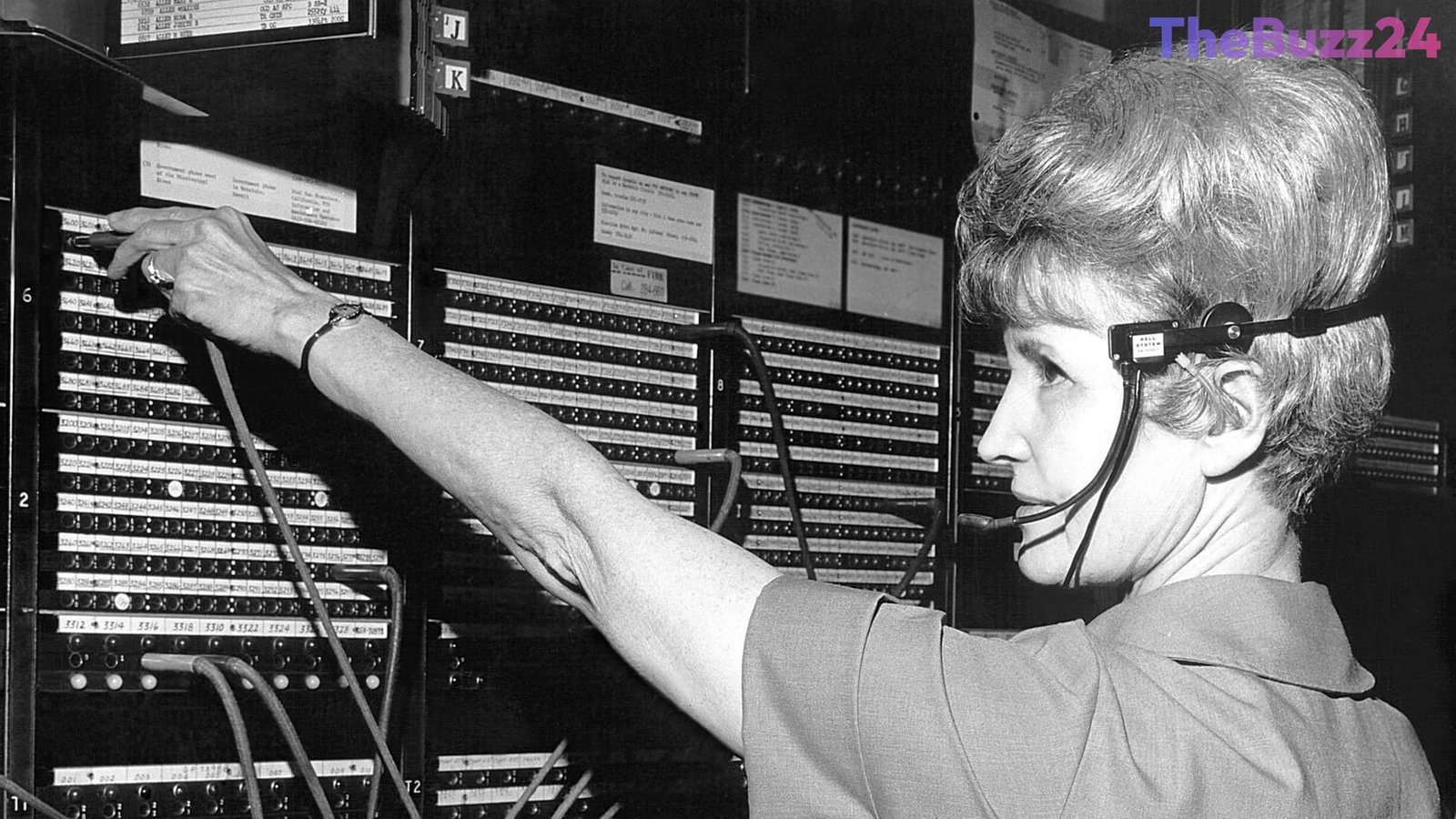
A significant historical example is the decline of telephone switch operators. In the mid-20th century, this was a major occupation for young American women, requiring extensive training and precision. However, the widespread introduction of automated telephone switches by companies like AT&T led to the obsolescence of tens of thousands of these roles. Economists James Feigenbaum from Boston University and Daniel P. Gross from Duke University’s Fuqua School of Business found that while incumbent operators often faced job displacement and moved into lower-paying positions or left the workforce, subsequent generations of women adapted, finding new opportunities in an evolving labor market.
Not all technological advancements have had a purely negative impact on women’s employment. The advent of household appliances like washing machines, dubbed “engines of liberation” by University of Pennsylvania economist Jeremy Greenwood, significantly reduced the burden of unpaid domestic labor, freeing up women’s time for paid work outside the home. Later, the personal computer, while initially automating roles like typists and stenographers (over 98% female in 1980), also empowered women by providing new tools and skills, allowing many to adapt and become indispensable in new capacities. However, as AI advances, it threatens to automate more complex tasks, potentially impacting even college-educated women in managerial roles.
Today, research from organizations like the International Labour Organization indicates that a substantial percentage of women in high-income countries work in occupations highly susceptible to AI automation. Experts like Ariane Hegewisch, a senior research fellow at the Institute for Women’s Policy Research, highlight that AI’s focus on routine tasks, pattern recognition, and data processing directly targets the clerical and administrative sectors where women are overwhelmingly represented. While some jobs may be enhanced rather than eliminated, the adaptive nature of AI, as Hegewisch notes, means its capabilities will continue to expand, posing ongoing challenges and opportunities for the female workforce.
Key Takeaways
- Historical technological shifts, such as automated telephone switches and personal computers, have disproportionately impacted women's employment, serving as a precedent for AI's potential effects.
- Current research suggests women are at higher risk of AI-driven job displacement due to their strong representation in clerical and administrative roles focused on routine tasks.
- While past generations adapted to new technologies, finding new opportunities, the evolving capabilities of AI present a continuous challenge, requiring ongoing adaptation and skill development in the workforce.
Editor’s Analysis & Impact
The analysis underscores a critical challenge for the global economy: the potential for AI to exacerbate existing gender inequalities in the labor market. If historical patterns hold, industries heavily reliant on administrative and routine tasks, where women are predominantly employed, face significant disruption. This could lead to increased unemployment or underemployment for a segment of the female workforce, potentially widening the gender pay gap and impacting economic growth. Businesses must proactively invest in reskilling and upskilling programs, particularly for their female employees, to mitigate these risks. Policymakers will need to consider social safety nets and educational reforms to prepare for a future where adaptability and continuous learning are paramount, ensuring a more equitable transition into the AI era.
Frequently Asked Questions
Q: Q: Why are women considered to be at greater risk of AI-related job losses?
A: A: Women are disproportionately represented in occupations that involve routine, administrative, and clerical tasks, which are precisely the types of jobs most susceptible to automation by artificial intelligence. Historical data from past technological shifts, like the introduction of automated telephone switches and personal computers, also show a similar pattern of impact on female-dominated roles.
Q: Q: Did past technological advancements always lead to negative outcomes for women's employment?
A: A: Not entirely. While some technologies, like automated telephone switches, led to significant job displacement for women, others, such as washing machines, freed up time for women to enter the paid workforce. The personal computer also created new opportunities and tools, allowing many women to adapt their skills and remain indispensable in evolving office environments.
Q: Q: What can be done to mitigate the potential negative impact of AI on women's jobs?
A: A: Mitigating the impact requires a multi-faceted approach, including investing in education and training programs focused on AI-resistant skills, promoting women's participation in STEM fields, and encouraging businesses to adopt AI in ways that augment human capabilities rather than simply replacing them. Policies supporting lifelong learning and career transitions will also be crucial.
AI Disclosure: This article is based on verified data and official reports. Our Team and AI have cross-referenced every financial detail with primary sources to ensure total accuracy.
More from this Category