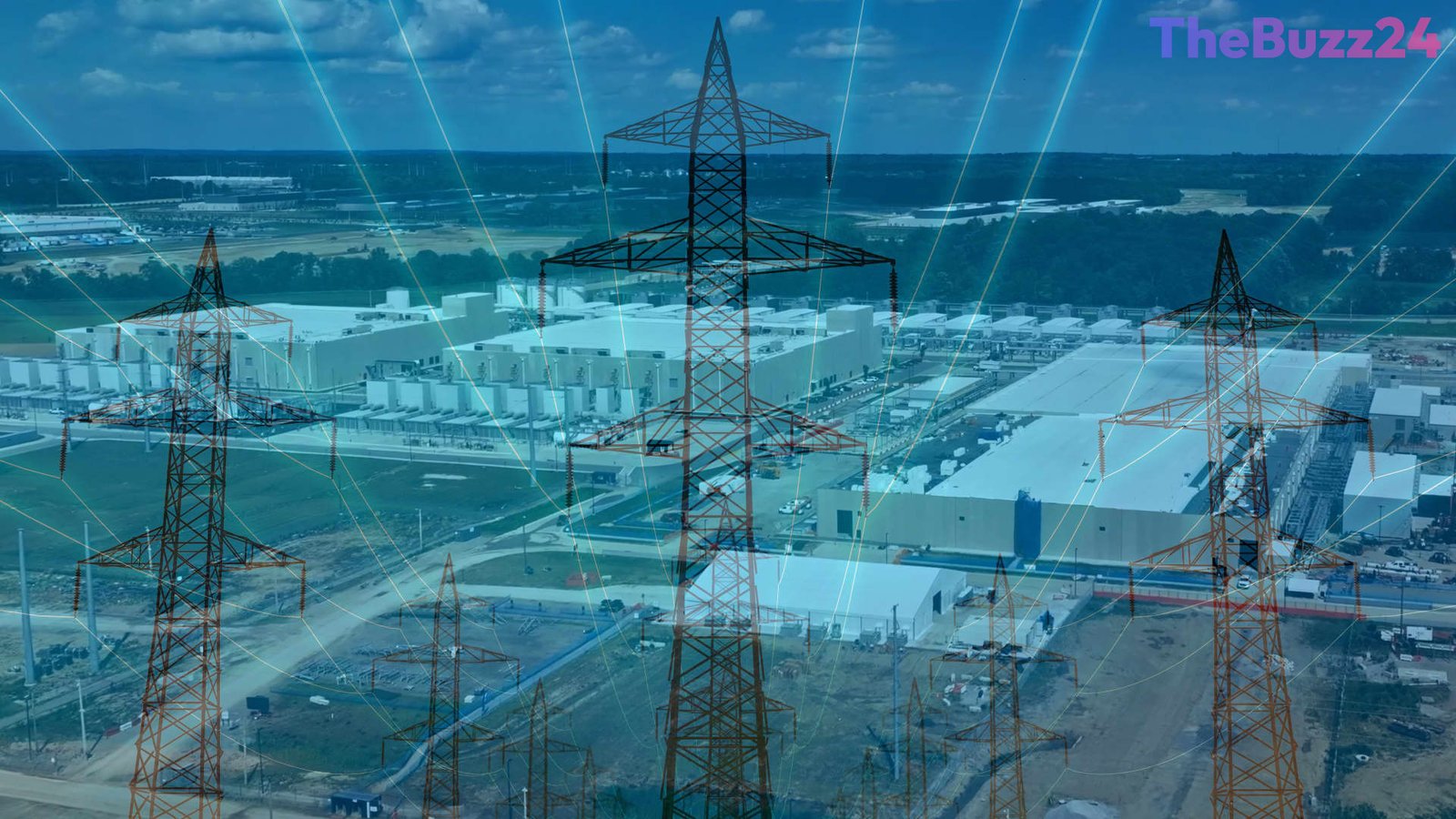
The AI Power Paradox: Can Google’s Massive Data Center Model Actually Green the Grid?
As the artificial intelligence boom drives an unprecedented surge in electricity demand across North America, tech giants are facing intense scrutiny over their environmental footprint. Google has proposed a massive 780-megawatt data center in Pine Island, Minnesota, aiming to set a new standard for sustainable infrastructure. By partnering with Xcel Energy, the company intends to finance the addition of 1,400 megawatts of wind, 200 megawatts of solar, and 300 megawatts of battery storage to the local grid. This ambitious plan is designed to ensure the facility operates on carbon-free energy around the clock by 2030.
To mitigate concerns regarding infrastructure costs and potential grid instability, the proposed agreement includes strict financial safeguards. Google has committed to paying for at least 75% of its contracted capacity, regardless of actual usage, and has agreed to significant exit fees should the project be terminated early. These measures are intended to protect local ratepayers from bearing the financial burden of the massive grid expansion required to support the facility. The proposal is currently awaiting approval from the Minnesota Public Utilities Commission.
Despite these assurances, the project has ignited a broader debate among energy experts and community advocates. While Google argues that its capital investment will modernize aging infrastructure and accelerate the transition to renewable energy, critics suggest that the industry’s preference for massive, centralized data centers is driven by convenience rather than necessity. Some analysts argue that building smaller, distributed facilities in areas with existing grid capacity could be more efficient and cost-effective for the public, yet utilities may favor large-scale projects due to the guaranteed returns on new capital investments.
Public sentiment remains wary of the rapid expansion of data centers, with surveys indicating widespread concern over environmental impacts and potential increases in household energy costs. As the industry continues to scale, the outcome of the Minnesota project may serve as a critical case study for whether hyperscalers can truly act as catalysts for a cleaner, more reliable power grid or if the sheer scale of AI energy requirements will inevitably strain public resources.
Key Takeaways
- Google is proposing a 780-megawatt data center in Minnesota that includes a significant investment in wind, solar, and battery storage to offset its energy consumption.
- The project includes financial protections, such as minimum demand charges and exit fees, intended to prevent local ratepayers from subsidizing the infrastructure costs.
- Critics argue that the industry should prioritize smaller, distributed data centers that utilize existing grid capacity rather than building massive new facilities that require extensive, costly upgrades.
Editor’s Analysis & Impact
The tension between AI-driven energy demand and grid reliability represents one of the most significant infrastructure challenges of the decade. Google’s model attempts to bridge this gap by acting as a private financier for public utility upgrades, effectively using the AI boom to subsidize the green energy transition. However, the industry faces a structural conflict: utilities are often incentivized to build new, expensive infrastructure to secure guaranteed returns, while critics argue this approach ignores more efficient, decentralized alternatives. If the Minnesota project succeeds, it could establish a blueprint for ‘responsible’ hyperscale growth. Conversely, if it fails to win public trust or results in higher costs, it may trigger stricter regulatory oversight and pushback against the rapid expansion of AI infrastructure in local communities.
Frequently Asked Questions
Q: Why are data centers causing such a significant increase in electricity demand?
A: Data centers require massive amounts of power to run the high-performance computing hardware necessary for training and operating AI models, as well as the cooling systems required to keep that hardware from overheating.
Q: How does Google plan to ensure its data center doesn't raise energy costs for local residents?
A: Google has agreed to pay for a significant portion of the new grid capacity and has committed to minimum demand charges, ensuring that the company remains financially responsible for the infrastructure built to support its operations, even if its energy usage fluctuates.
AI Disclosure: This article is based on verified data and official reports. Our Team and AI have cross-referenced every financial detail with primary sources to ensure total accuracy.
More from this Category