Massive French Protests Turn Violent as Half a Million Citizens Demand Relief
Over the weekend, a wave of widespread demonstrations swept across France, drawing an estimated 500,000 participants. What began as widespread public frustration over escalating living costs and deteriorating public services quickly escalated into severe clashes with law enforcement, marking some of the most intense civil unrest the nation has witnessed in recent years.
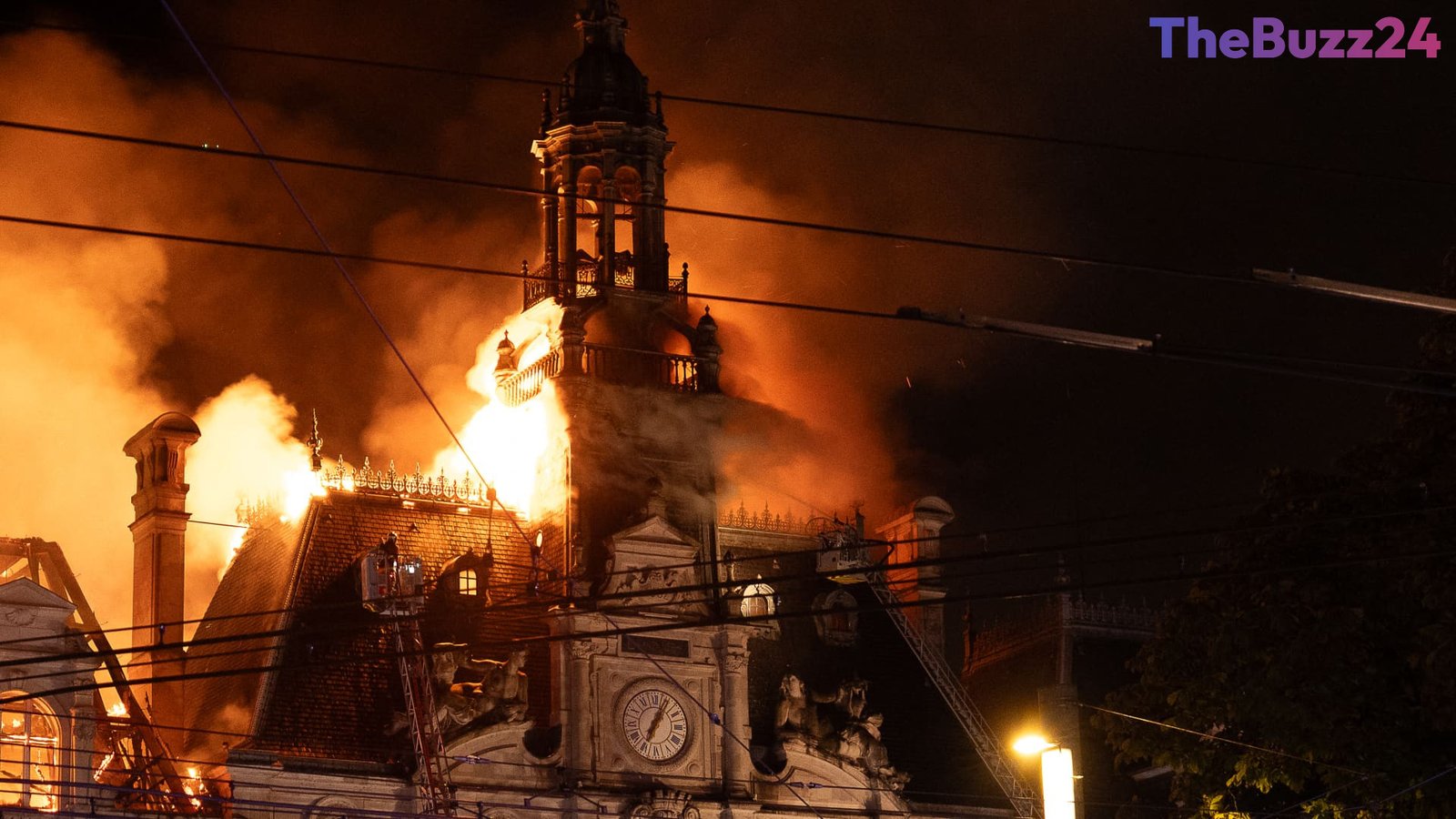
While a significant portion of the massive crowds marched peacefully, pockets of radical individuals engaged in destructive behavior. Notable incidents included the total destruction of a historic 19th-century municipal building in Limoges, which was heavily damaged by fire. In Lyon, the local tourism office was similarly targeted and burned, alongside widespread reports of looted supermarkets, vandalized luxury boutiques, and direct assaults on police personnel and vehicles. Security forces deployed tear gas in attempts to disperse the rioters, resulting in severe injuries and casualties among the populace.
In response to the escalating crisis, French President Emmanuel Macron addressed the nation in a televised broadcast on Sunday. He condemned the widespread destruction and vowed that individuals engaging in criminal acts would face the full extent of the law. Macron directly attributed the escalation of violence to extremist elements and criminal opportunists attempting to undermine state institutions. The movement itself originated weeks prior as student-led demonstrations over poor educational infrastructure before rapidly expanding into a national grievance against broader economic pressures.
Key Takeaways
- More than 500,000 people participated in nationwide demonstrations across France over the weekend.
- Protests erupted into severe violence, featuring the destruction of historic municipal buildings, looting, and clashes with police.
- French President Emmanuel Macron condemned the unrest and vowed strict accountability for those responsible for the destruction.
Editor’s Analysis & Impact
The recent escalation of civil unrest in France highlights deep-seated socioeconomic anxieties, particularly concerning inflation, cost-of-living pressures, and the adequacy of public infrastructure. As governments globally grapple with post-pandemic economic recovery and fiscal tightening, civil discontent is increasingly finding an outlet in large-scale street protests. For France, these events present a critical governance challenge for the administration of President Emmanuel Macron, testing the administration’s ability to balance fiscal responsibility with public welfare demands. Economically, prolonged unrest risks disrupting local commerce, tourism, and investor confidence, potentially dampening domestic growth in the near term. Looking forward, policymakers must address the root causes of public dissatisfaction—such as purchasing power and educational funding—while maintaining public order to prevent recurrent cycles of destructive unrest.
Frequently Asked Questions
Q: What triggered the protests in France?
A: The protests initially began as student-led demonstrations over poor conditions in schools, but they quickly expanded into a nationwide movement driven by frustration over rising living costs and declining public services.
Q: How did the French government respond to the violence?
A: President Emmanuel Macron delivered a televised address condemning the unrest, blaming radical elements and criminals, and vowing that those who caused damage or looted would be held strictly accountable.
AI Disclosure: This article is based on verified data and official reports. Our Team and AI have cross-referenced every financial detail with primary sources to ensure total accuracy.
More from this Category