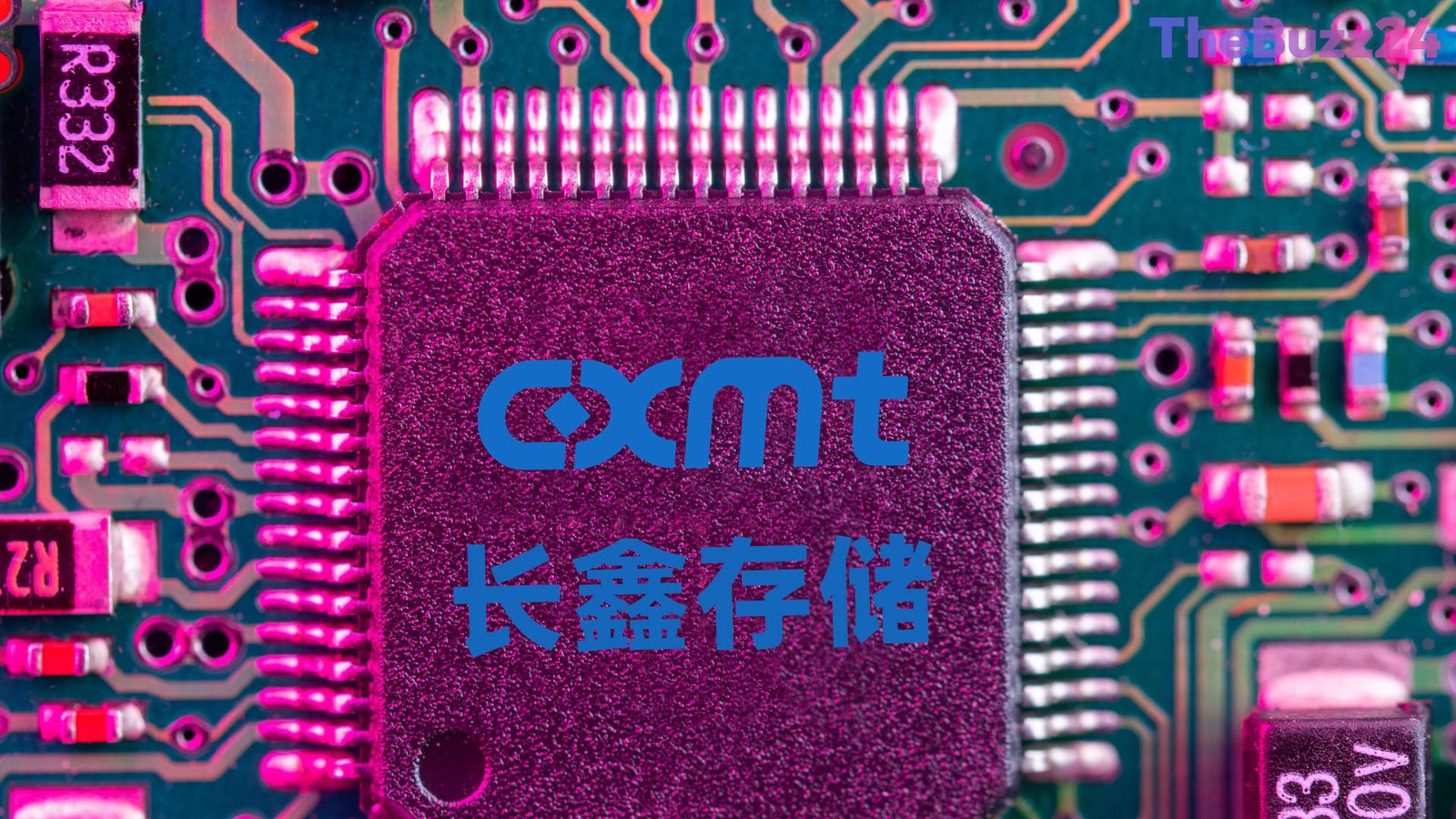
CXMT Shares Dip Despite Soaring Profit Forecast Amid AI Demand Surge
ChangXin Memory Technologies (CXMT), a prominent Chinese memory chipmaker, experienced a nearly 8% drop in its share price on Monday, a surprising reaction given its robust earnings forecast for the first nine months of 2026. The company projected a significant turnaround, anticipating a net profit of between 131 billion yuan and 132.5 billion yuan, a stark reversal from a net loss of 5.28 billion yuan reported a year prior.
This dramatic financial improvement is largely attributed to the escalating demand for AI computing power, which has invigorated the global DRAM market. This surge has led to widespread supply shortages and substantial price increases for memory chips. CXMT also expects revenue to reach approximately 265 billion yuan to 270 billion yuan for the January-to-September period, marking a substantial increase from the previous year.
CXMT has been steadily expanding its footprint in the global memory chip arena, increasingly challenging established industry giants such as Samsung Electronics, SK Hynix, and Micron Technology. The Chinese chipmaker’s share of global DRAM revenue climbed to 10% in the third quarter of 2026, up from 5% in the same period a year earlier, underscoring its growing competitive presence.
Despite CXMT’s individual success, the broader semiconductor sector has faced headwinds recently. Investor concerns about the long-term sustainability of artificial intelligence financing and the potential for a future chip supply glut, following several years of intense demand, have put pressure on chip stocks across the board. This market sentiment appears to have overshadowed CXMT’s otherwise positive financial outlook.
Key Takeaways
- CXMT's shares declined by nearly 8% despite forecasting a significant profit turnaround for the first nine months of 2026.
- The company attributes its projected profitability and revenue growth to surging global demand for AI computing power, which has boosted the DRAM market and led to price increases.
- CXMT is gaining substantial market share in the global DRAM sector, challenging major competitors, but broader market concerns about AI financing and potential oversupply are impacting chip stock performance.
Editor’s Analysis & Impact
The paradoxical decline in CXMT’s shares, despite a stellar profit forecast, highlights a complex market sentiment where investors are looking beyond immediate earnings. While the surge in AI computing demand is a clear catalyst for memory chipmakers, the market appears to be pricing in future uncertainties, such as the sustainability of AI financing and the potential for an eventual chip supply glut. This suggests a cautious approach, where the long-term outlook for the semiconductor industry, particularly after a period of rapid growth, is being scrutinized. CXMT’s rise also underscores China’s increasing competitiveness in the global chip market, intensifying pressure on established players. The broader implications point to a volatile period for the tech sector, where strong individual company performance may not always translate directly into stock gains if overarching market concerns persist.
Frequently Asked Questions
Q: Why did CXMT's shares fall despite a strong profit forecast?
A: Investors may be looking past the immediate positive forecast, focusing on broader market concerns such as the sustainability of AI financing and the potential for a future chip supply glut after a period of rapid growth, which can lead to profit-taking or cautious sentiment.
Q: What is driving CXMT's projected profit turnaround?
A: The company attributes its significant financial improvement to the rapidly growing demand for AI computing power. This demand has boosted the global DRAM market, leading to supply shortages and increased prices for memory chips.
Q: How is CXMT positioned in the global memory chip market?
A: CXMT is actively gaining market share in the global DRAM sector, increasing its revenue contribution to 10% in Q3 2026. This growth positions it as a significant challenger to established industry leaders like Samsung Electronics, SK Hynix, and Micron Technology.
AI Disclosure: This article is based on verified data and official reports. Our Team and AI have cross-referenced every financial detail with primary sources to ensure total accuracy.
More from this Category