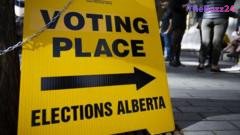
Alberta Decides: Voters Head to Polls Over Controversial Independence Referendum
Residents of Alberta are casting their ballots to determine whether the oil-rich province should initiate the legal steps toward a binding referendum on separating from Canada. The vote was triggered following a successful petition effort organized by grassroots advocates who argue that federal environmental policies from Ottawa have consistently hindered local economic growth and the development of the energy sector. Despite facing legal challenges and criticism from Indigenous First Nations groups over a lack of consultation regarding affected lands, provincial leaders have moved forward with the polling process to let citizens voice their opinions.
While proponents of the split believe an independent Alberta could retain a greater share of its financial wealth and better advocate for regional interests, opponents strongly caution against the move. Critics, including federal leadership, have drawn parallels to Brexit, warning that breaking away would saddle a new entity with massive debt, deter vital investment, and undermine national unity during a globally volatile period. Polls indicate that the majority of the population favors remaining within Canada, yet the intense debate has deeply divided communities across the region.
Alongside the central question concerning potential separation, voters are also weighing in on nine additional matters, including proposals for increased provincial oversight regarding immigration systems. Election authorities have implemented a manual counting process, with initial results for the high-stakes independence question expected shortly after polls close.
Key Takeaways
- Alberta residents are voting on whether to pursue a binding referendum on separation from Canada.
- Proponents argue federal policies stifle economic growth, while opponents warn of severe debt and instability.
- The ballot also features nine additional questions, notably addressing provincial control over immigration.
Editor’s Analysis & Impact
The referendum in Alberta highlights deep-seated regional grievances that mirror broader populist and separatist movements observed globally in recent years. At its core, the friction stems from a perceived disconnect between resource-rich provincial economies and centralized federal policymaking, particularly regarding energy and environmental regulations. Even if the majority of voters ultimately choose to remain within Canada, the mere existence of this vote signals a permanent shift in provincial-federal dynamics. For businesses and investors, this ongoing political friction introduces a layer of regulatory uncertainty. The economic implications of a potential split—ranging from currency and debt division to trade complications—would reshape the Canadian economic landscape. Moving forward, federal leaders will need to carefully navigate regional demands to prevent further polarization without compromising national cohesion.
Frequently Asked Questions
Q: Why are Albertans voting on separation?
A: Supporters of the movement argue that federal environmental policies from Ottawa have stifled the province's economic growth, particularly in the oil and gas sector, and that separation would allow Alberta to retain more of its wealth.
Q: What are the main arguments against Alberta separating?
A: Opponents warn that an independent Alberta would inherit billions in dollars of debt, face severe economic uncertainty similar to Brexit, and drive away jobs and investment.
Q: When will the results of the vote be announced?
A: Election officials are counting the ballots by hand, with results for the primary separation question expected to be released in the early hours following the close of polls.
AI Disclosure: This article is based on verified data and official reports. Our Team and AI have cross-referenced every financial detail with primary sources to ensure total accuracy.
More from this Category