France Imposes Curfews to Calm Unrest as Macron Faces Backlash Over Middle East Tour
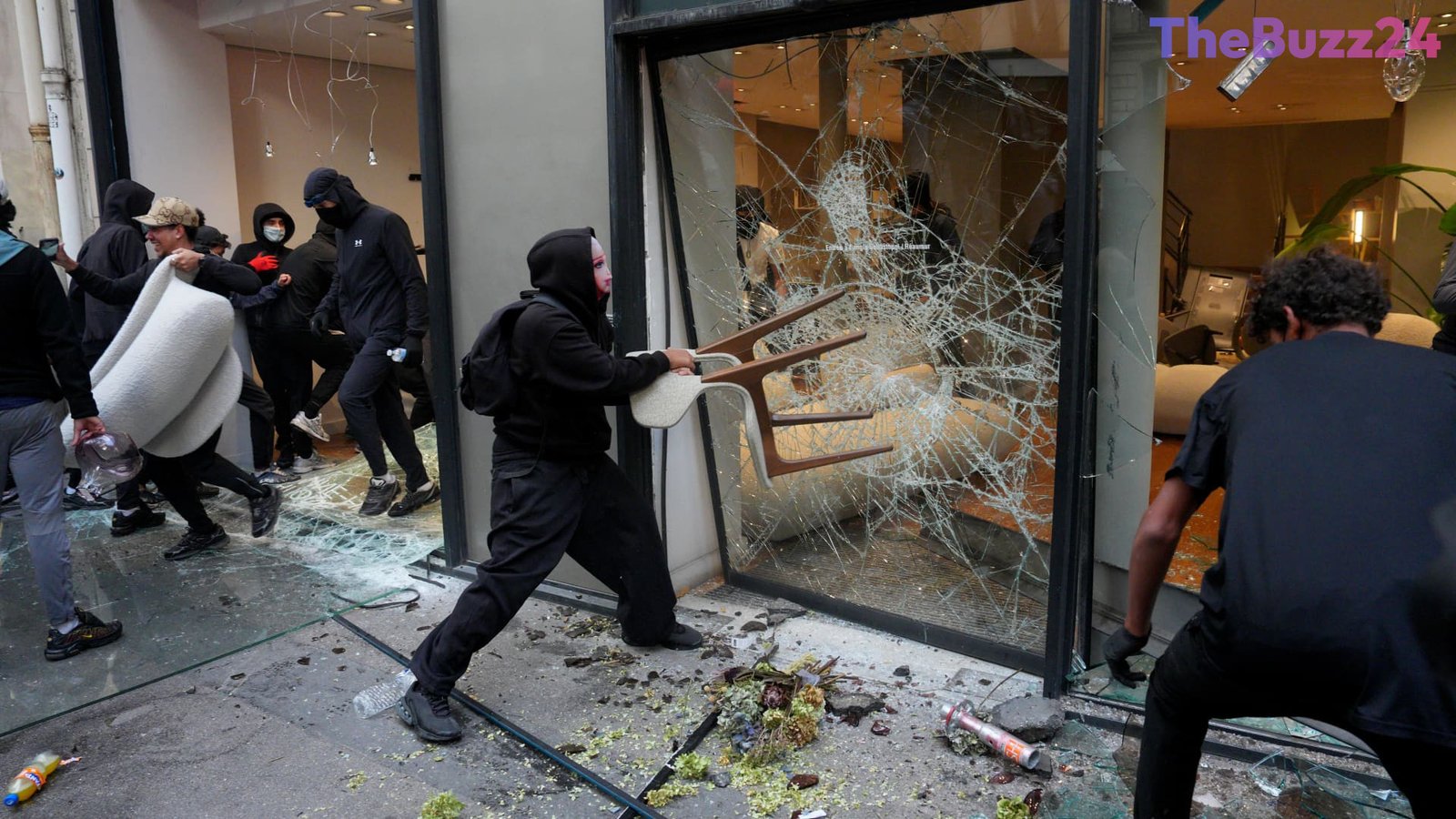
France has experienced a period of significant civil unrest, marked by widespread protests, looting, and violent clashes across several cities. In response, authorities implemented curfews in various areas, including parts of Paris, Lyon, Lille, and Nice, which Prime Minister Sébastien Lecornu indicated contributed to a calmer night on Tuesday. Despite this temporary lull, public discontent remains high following the intense demonstrations over the past weekend.
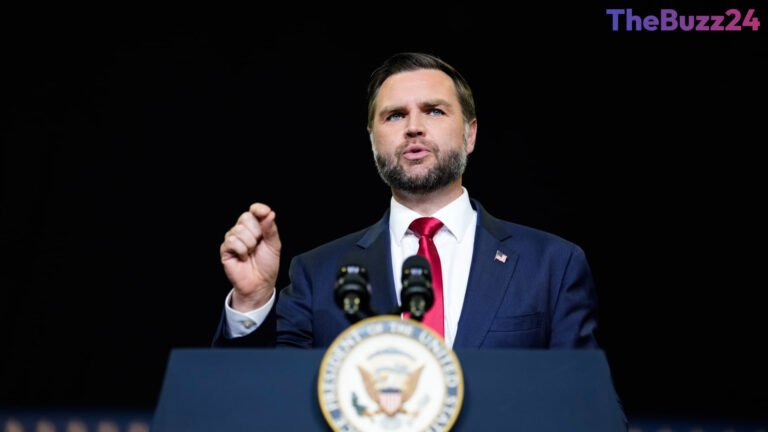
The turmoil unfolds amidst growing criticism directed at President Emmanuel Macron, who embarked on a three-day tour of the Middle East—visiting Kuwait, the UAE, Bahrain, and Qatar—during the domestic crisis. Commentators and media outlets have questioned the timing of his trip, with some suggesting a leadership vacuum at a critical moment for the nation. The unrest itself stems from a confluence of long-standing grievances, including rising living costs, perceived deterioration of public services, and concerns over the education system, which have fueled weeks of demonstrations culminating in the recent widespread violence.
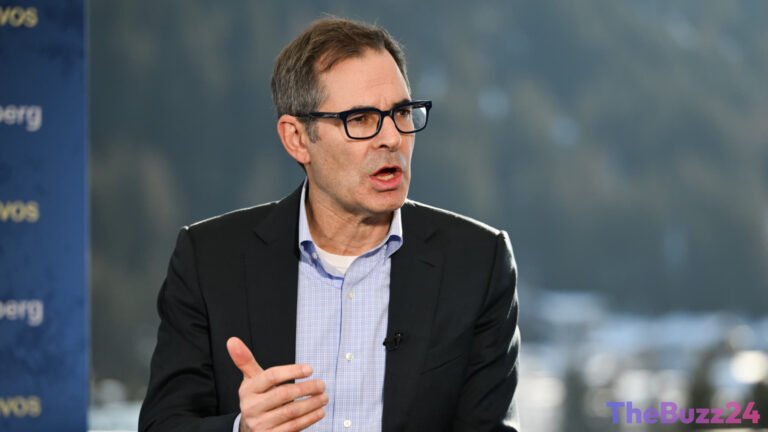
The economic fallout from the riots has been substantial, with thousands of businesses reportedly sacked and damaged. Fabrice Le Saché, vice president of the business group MEDEF, highlighted the severe impact on the economy and a perceived lack of basic security for businesses, despite France’s high tax burden. Prime Minister Lecornu announced plans for a support fund for affected businesses and discussions with insurers to expedite damage assessments. The scale of destruction is anticipated to exceed the approximately 1 billion euros in insured losses from the 2023 unrest following the death of Nahel Merzouk, indicating a deepening crisis for the French economy. Interior Minister Laurent Nuñez offered his resignation over the handling of the situation, though President Macron declined it, emphasizing the need for continuity in law enforcement leadership.
Compounding the social and economic challenges, France is also navigating a precarious fiscal situation. The country faces a divided parliament without a clear majority and is currently engaged in fierce debate over the 2027 budget, aiming to reduce the deficit from 5.4% to 5% of GDP. This fiscal strain, coupled with rising government borrowing costs, has led to increased market skepticism about France’s financial stability. The recent unrest has further pressured French markets, with bonds, stocks, and the euro experiencing sell-offs, underscoring the interconnectedness of political instability, social discontent, and economic vulnerability.
Key Takeaways
- Curfews have brought a temporary calm to France following widespread violent unrest, looting, and protests.
- President Emmanuel Macron is facing significant criticism for his Middle East tour amidst the domestic crisis, with public discontent fueled by rising living costs and concerns over public services.
- The riots have caused substantial economic damage to businesses, exacerbating France's existing fiscal challenges and putting pressure on its financial markets.
Editor’s Analysis & Impact
The recent wave of unrest in France, while temporarily quelled by curfews, signals a deeper societal and economic fragility. The market reaction, including sell-offs in French bonds and stocks, underscores investor concern regarding the nation’s ability to manage its fiscal deficit and maintain stability. This situation could deter foreign investment and complicate the government’s efforts to implement crucial economic reforms, particularly amidst a divided parliament. The ongoing public anger over living costs and public services suggests that without fundamental policy changes and effective communication, future outbreaks of social unrest remain a significant risk. President Macron’s perceived absence during the crisis further erodes public trust and could weaken his political capital, impacting his administration’s capacity to address these multifaceted challenges. The long-term implications point to a period of heightened political and economic uncertainty for France within the Eurozone.
Frequently Asked Questions
Q: What sparked the recent unrest in France?
A: The unrest was fueled by a combination of factors, including public anger over rising living costs, perceived declines in public services, and issues within the education system, culminating in widespread protests and violence.
Q: How has the French government responded to the riots?
A: The government imposed curfews in affected areas to restore order, and Prime Minister Sébastien Lecornu announced plans for a support fund for damaged businesses and discussions with insurers to expedite claims.
Q: Why is President Emmanuel Macron facing criticism?
A: President Macron is facing criticism for embarking on a three-day diplomatic tour of the Middle East during a period of severe domestic unrest, with many questioning his leadership and presence during the national crisis.
AI Disclosure: This article is based on verified data and official reports. Our Team and AI have cross-referenced every financial detail with primary sources to ensure total accuracy.
More from this Category