JD Vance Declines Netanyahu Endorsement, Diverging from Trump’s Stance
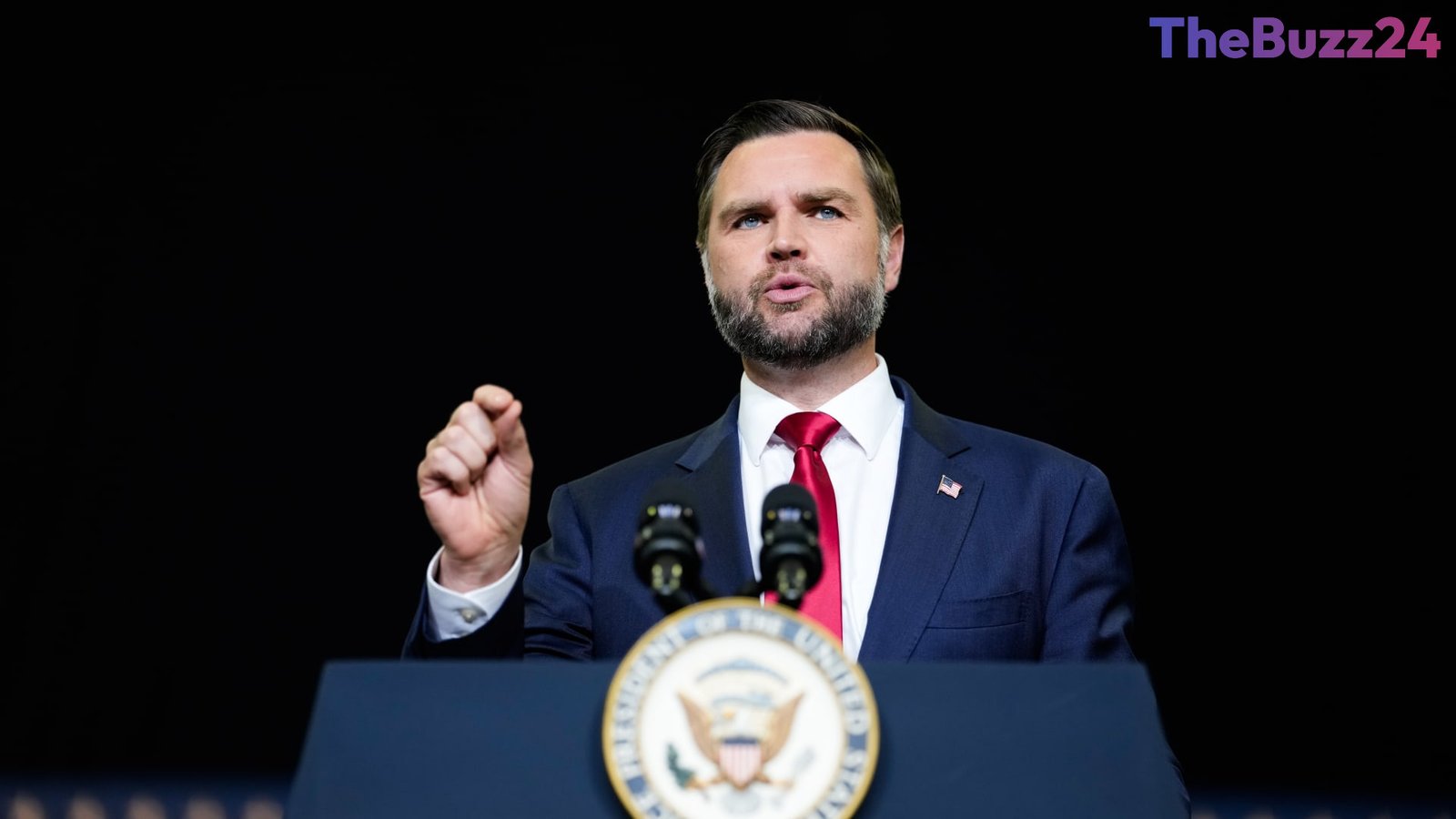
U.S. Vice President JD Vance has opted not to endorse Israeli Prime Minister Benjamin Netanyahu ahead of the upcoming Israeli election, a decision that contrasts sharply with former President Donald Trump’s public backing of the Israeli leader. Trump recently lauded Netanyahu as a “Great Warrior Prime Minister” and a “greater Partner for Peace” in combating Iran, with Netanyahu expressing gratitude for the support.
Vance clarified his position, stating that his primary focus remains on American candidates and the U.S. midterm elections. He emphasized that his non-endorsement is not a criticism of Netanyahu, explaining, “I’m not anti-endorsing him. I’m not pro-endorsing him,” and reiterated his intention to avoid involvement in Israeli elections.
Despite his current stance, Vance has a history of engaging with foreign political figures. He previously campaigned in Budapest to publicly endorse Viktor Orban’s reelection bid in Hungary and met with Alice Weidel, leader of Germany’s far-right Alternative for Germany party, at a security conference. This background highlights that his current non-endorsement of Netanyahu is a specific choice rather than a general policy of non-intervention in international politics.
The upcoming Israeli election marks the first national vote since the Hamas attack in late 2023. Vance’s comments also emerge amidst a notable decline in U.S. public support for Israel, a sentiment historically strong across both Republican and Democratic parties. The Netanyahu-led government’s response to the Hamas attack has also sparked vigorous debate within America, further complicating the political landscape surrounding U.S.-Israel relations.
Key Takeaways
- JD Vance declined to endorse Benjamin Netanyahu for the upcoming Israeli election, citing a focus on American candidates and midterms.
- Vance's decision contrasts with Donald Trump's public praise and endorsement of Netanyahu as a "Great Warrior Prime Minister."
- Despite his current stance, Vance has previously engaged in foreign political endorsements, including campaigning for Viktor Orban in Hungary.
Editor’s Analysis & Impact
This development highlights a potential divergence within the Republican party regarding foreign policy, particularly concerning Israel. While former President Trump maintains a strong pro-Netanyahu stance, JD Vance’s decision to refrain from endorsement, citing a focus on domestic politics, could signal a more isolationist or pragmatic approach emerging among some conservative figures. This move might also reflect a growing awareness of shifting public sentiment in the U.S. regarding Israel’s government and its actions, especially following recent conflicts. The implications could include a more nuanced and less unified U.S. foreign policy towards the Middle East, potentially impacting diplomatic relations and the perception of unwavering American support for specific foreign leaders. It underscores how domestic political priorities can increasingly shape international engagements.
Frequently Asked Questions
Q: Why did JD Vance decline to endorse Benjamin Netanyahu?
A: JD Vance stated his primary focus is on endorsing American candidates and the upcoming U.S. midterm elections. He clarified that his decision is neither "anti-endorsing" nor "pro-endorsing" Netanyahu, but rather a choice to not get involved in Israeli elections.
Q: How does Vance's position compare to Donald Trump's?
A: Vance's stance diverges significantly from Donald Trump's, who publicly praised and endorsed Israeli Prime Minister Benjamin Netanyahu for his leadership and partnership. Trump referred to Netanyahu as a "Great Warrior Prime Minister" and a "greater Partner for Peace."
Q: Has JD Vance previously engaged in foreign political endorsements?
A: Yes, despite his current stated focus on American elections, JD Vance has previously campaigned for foreign leaders. Notably, he publicly endorsed Viktor Orban's reelection bid in Hungary and met with Alice Weidel, leader of Germany's far-right Alternative for Germany party, last year.
AI Disclosure: This article is based on verified data and official reports. Our Team and AI have cross-referenced every financial detail with primary sources to ensure total accuracy.
More from this Category