Intel Marks Construction Progress at Ohio Mega-Fab Amid Revised Production Timelines
Intel has installed the first primary structural truss at its sprawling semiconductor fabrication site in New Albany, Ohio, marking a visible step forward for a flagship manufacturing hub that has faced prolonged scheduling adjustments. Initially envisioned to begin chip delivery in 2025, the facility is now projected to commence operations between 2030 and 2031. A second planned fabrication plant at the Ohio site northeast of Columbus is slated for completion in 2031.
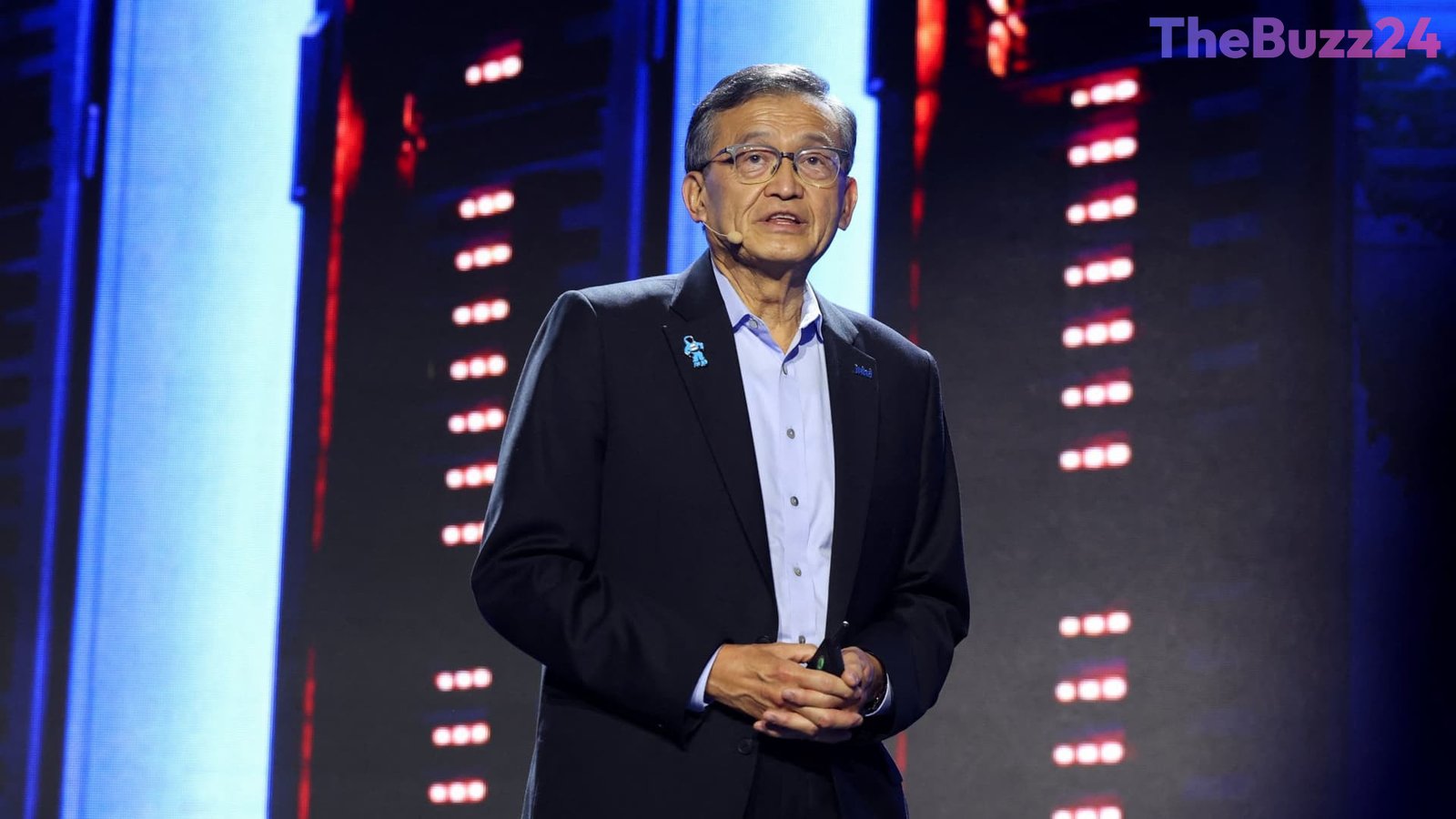
The recalibrated timeline represents a strategic shift under Chief Executive Officer Lip-Bu Tan, who took leadership with a mandate to manage capital expenditures prudently and align factory build-outs with verified market demand. Naga Chandrasekaran, head of Intel Foundry, framed the Ohio milestone as a significant progression toward rebuilding advanced domestic semiconductor capacity. Alongside the Midwest development, Intel is actively outfitting its next Arizona fabrication plant, aiming to bring that site online by the end of 2028.
A central hurdle for the company’s ambitious contract manufacturing vision is securing high-profile external clients. Intel is currently running high-volume production of its flagship 18A process node in Arizona, but output is currently designated for its own internal hardware. While reports have indicated discussions regarding a potential foundry partnership with memory leader SK Hynix in Ohio, no formal agreement has been established to date.
Despite the long lead times, broader market dynamics could work in Intel’s favor over the coming decade. Persistent demand for high-performance artificial intelligence silicon has strained the capacity of Taiwan Semiconductor Manufacturing Company (TSMC), creating intense competition among leading tech companies for manufacturing slots. As global tech giants seek supply chain resilience and leverage in pricing negotiations, Intel’s expanding domestic footprint could ultimately serve as a viable alternative manufacturing base.
Key Takeaways
- Intel has installed the first structural truss at its Ohio semiconductor complex, but operational targets have shifted from 2025 to 2030–2031.
- CEO Lip-Bu Tan's turnaround roadmap prioritizes cautious capital expenditure, tying physical foundry expansion to verified external customer demand.
- Skyrocketing AI chip demand and ongoing capacity bottlenecks at TSMC provide an opening for Intel to market its Arizona and Ohio facilities to major external tech firms.
Editor’s Analysis & Impact
Intel’s deliberate pace in Ohio reflects a calculated shift from breakneck expansion to disciplined capital allocation. After costly node missteps in past cycles, the company cannot afford to bring billion-dollar cleanrooms online without guaranteed volume. However, deferring production to 2030 creates a prolonged window of vulnerability, giving TSMC more room to entrench its leadership. The saving grace for Intel is the unprecedented demand for AI silicon, which has pushed current foundry capacity to its limits. Top-tier fabless chipmakers are actively looking for redundant production avenues to reduce geopolitical exposure and maintain pricing power. Over the next two years, the true metric of success for Intel Foundry will not be steel installations, but whether leadership can convert industry interest into binding, high-volume production commitments from external clients.
Frequently Asked Questions
Q: Why has Intel pushed back the timeline for its Ohio chip factory?
A: Intel shifted its target launch from 2025 to 2030–2031 to align manufacturing capacity with verified customer demand and preserve capital under a more conservative foundry strategy led by CEO Lip-Bu Tan.
Q: What is the current status of Intel's advanced 18A manufacturing process?
A: Intel is running high-volume production on its 18A node at its Arizona fab, but the resulting processors are currently being utilized for Intel's internal products rather than external contract customers.
Q: Could other semiconductor manufacturers operate at Intel's Ohio site?
A: Reports have suggested that Intel explored potential arrangements with memory manufacturer SK Hynix to utilize foundry space at the Ohio location, though neither firm has confirmed an official deal.
AI Disclosure: This article is based on verified data and official reports. Our Team and AI have cross-referenced every financial detail with primary sources to ensure total accuracy.
More from this Category