France on Edge: Major Cities Implement Curfews and Protest Bans Following Widespread Riots
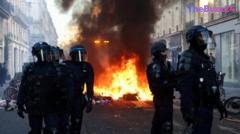
France is implementing stringent security measures across several major cities, including Paris, Marseille, and Lyon, following a weekend of widespread riots and looting that overshadowed protests against the high cost of living and educational conditions. Authorities are extending curfews and imposing outright bans on demonstrations in an effort to prevent a recurrence of the significant disorder.
In the capital, Paris, a partial curfew restricting movement in key areas like Place de la République and the Les Halles shopping district will remain in effect until Monday, prohibiting activity from 11:00 PM to 6:00 AM. Additionally, iconic cultural institutions such as the Louvre, Orsay, and Picasso museums are scheduled to close on Saturday in anticipation of further unrest. Marseille and Lyon have gone further, enacting total bans on protests this weekend and suspending public transport to curb potential gatherings. Similar restrictions, including curfews for minors and broader population, have been announced in cities like Nice, Toulon, Rouen, and Grenoble.
The recent wave of violence saw extensive damage to businesses and historic landmarks, with the Lyon tourism office set ablaze and parts of Limoges city hall engulfed in flames. Justice officials have reported a significant number of arrests, with 2,700 individuals detained nationwide and over 1,000 appearing in court. Fast-track trials have already resulted in 217 convictions and jail sentences, a number expected to climb. President Emmanuel Macron, who convened intelligence services and ministers to strategize for the upcoming national day of protests, has emphasized a return to calm, stating that only authorized union demonstrations will be permitted, while other gatherings will be banned wherever possible. He also condemned what he termed “political and even seditious acts organized by far-left groups.” The government has pledged a substantial increase in police deployment, aiming to avoid being caught off guard by the scale of the unrest, which has been partly attributed to the gilets jaunes movement and other groups. This period of heightened tension unfolds as President Macron approaches the final months of his presidency, with national elections on the horizon.
Key Takeaways
- French authorities have imposed extended curfews and outright protest bans in major cities like Paris, Marseille, and Lyon to curb widespread unrest.
- The measures follow a weekend of riots, looting, and significant damage to businesses and historic sites, escalating from protests against the cost of living.
- The government has increased police deployment, initiated fast-track trials leading to numerous convictions, and President Macron has condemned "seditious acts" while distinguishing between authorized union protests and banned non-union gatherings.
Editor’s Analysis & Impact
The escalating unrest and subsequent government crackdown in France carry significant implications for its economy and political landscape. Industries like retail and tourism, already recovering from previous disruptions, face immediate setbacks due to curfews, museum closures, and public transport suspensions. The widespread damage to businesses will lead to substantial financial losses and insurance claims, potentially impacting investor confidence in urban centers. Looking ahead, the government’s firm stance, while aimed at restoring order, risks further polarizing public opinion, especially with national elections approaching. President Macron’s ability to navigate this crisis, addressing both security concerns and the underlying socio-economic grievances driving the protests, will be crucial for his political future and the nation’s stability. This situation also serves as a stark reminder of the delicate balance governments must strike between maintaining public order and upholding democratic freedoms amidst rising living costs across Europe.
Frequently Asked Questions
Q: What measures have French authorities taken in response to the riots?
A: Authorities have imposed extended partial curfews in areas of Paris, banned all protests in cities like Marseille and Lyon, suspended public transport, and increased police deployments. Major cultural sites, including the Louvre, Orsay, and Picasso museums, have also been temporarily closed.
Q: How many people have been arrested and convicted?
A: Over 2,700 people have been arrested across France, with more than 1,000 appearing in court. Fast-track trials have already resulted in 217 convictions and jail sentences, a number expected to increase.
AI Disclosure: This article is based on verified data and official reports. Our Team and AI have cross-referenced every financial detail with primary sources to ensure total accuracy.
More from this Category