El Salvador Deploys Military to Haiti After Personnel Kidnapped, President Warns Gangs
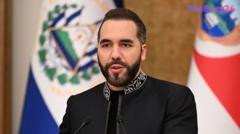
El Salvador has initiated a military operation in Haiti to locate and rescue four of its air force personnel who have been missing since Sunday. President Nayib Bukele issued a stark warning to the criminal groups responsible, stating that any harm to the hostages would provoke a severe response from his nation.
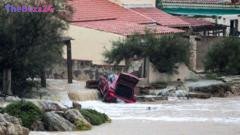
The missing individuals, identified as pilots and technical staff, were part of the United Nations-approved Gang Suppression Force (GSF) deployed to Haiti. They vanished after their armored vehicle was ambushed by heavily armed criminal groups in Croix-des-Bouquets, an area known to be under gang control. The vehicle reportedly caught fire after being struck by explosives. President Bukele emphasized that the personnel’s primary mission was humanitarian, focused on medical evacuations and saving lives, not engaging in combat, and described their kidnapping as a “cowardly” act while they were returning from purchasing food.
The GSF confirmed it is actively searching for the missing personnel and has engaged armed gang elements with helicopter support, reporting several gang members killed. This incident underscores the deepening crisis in Haiti, a nation plagued by escalating gang violence, a prolonged political vacuum since the 2021 assassination of its president, and economic instability. The UN recently warned that Haitian gangs are adapting to intensified security measures, increasing reprisals against civilians, and expanding their reach into rural areas. Armed groups currently control approximately 85% of the capital, Port-au-Prince, and over 5,500 people have been killed in gang-related violence this year alone.
President Bukele’s firm stance indicates that the military operation’s sole objective is the safe return of the four men. He assured that if they are returned alive and unharmed, the situation would revert to its previous state, implying a potential for de-escalation should his demands be met.
Key Takeaways
- El Salvador has launched a military operation in Haiti to rescue four missing air force personnel who were part of a UN-approved Gang Suppression Force.
- President Nayib Bukele issued a strong warning to Haitian gangs, threatening severe retaliation if the kidnapped personnel are not returned alive and unharmed.
- The incident highlights the escalating gang violence and profound political instability in Haiti, where armed groups control significant parts of the capital and humanitarian crises are worsening.
Editor’s Analysis & Impact
This development marks a significant escalation in regional involvement in Haiti’s ongoing crisis. President Bukele’s assertive response, deploying military assets and issuing direct threats, signals a potential shift in how neighboring nations might address threats to their personnel in unstable regions. While the immediate focus is on the safe return of the Salvadoran personnel, the broader implications for Haiti are substantial. It could lead to a more robust, albeit potentially confrontational, international effort to stabilize the nation, or conversely, further destabilize an already fragile environment if Bukele’s threats are acted upon. The incident also underscores the dire need for a comprehensive, long-term solution to Haiti’s deep-rooted governance and security challenges, which continue to impact regional stability.
Frequently Asked Questions
Q: Who are the missing Salvadoran personnel?
A: They are four air force personnel from El Salvador, described as pilots and technical staff. They were deployed to Haiti as part of the United Nations-approved Gang Suppression Force (GSF), primarily involved in medical evacuations and humanitarian efforts.
Q: What is the Gang Suppression Force (GSF)?
A: The GSF is a multinational force approved by the United Nations Security Council. Its mandate is to combat escalating gang violence and help restore security and stability in Haiti, which has been grappling with severe unrest.
Q: What is the current situation regarding gang violence in Haiti?
A: Haiti is experiencing a severe crisis marked by widespread gang violence, political instability, and economic chaos. Armed gangs control an estimated 85% of the capital, Port-au-Prince, and have been responsible for over 5,500 deaths this year. The UN has warned that gangs are adapting to security measures and increasing reprisals against civilians.
AI Disclosure: This article is based on verified data and official reports. Our Team and AI have cross-referenced every financial detail with primary sources to ensure total accuracy.
More from this Category