Disney’s Multiplatform Super Bowl Strategy Sparks Affiliate Backlash
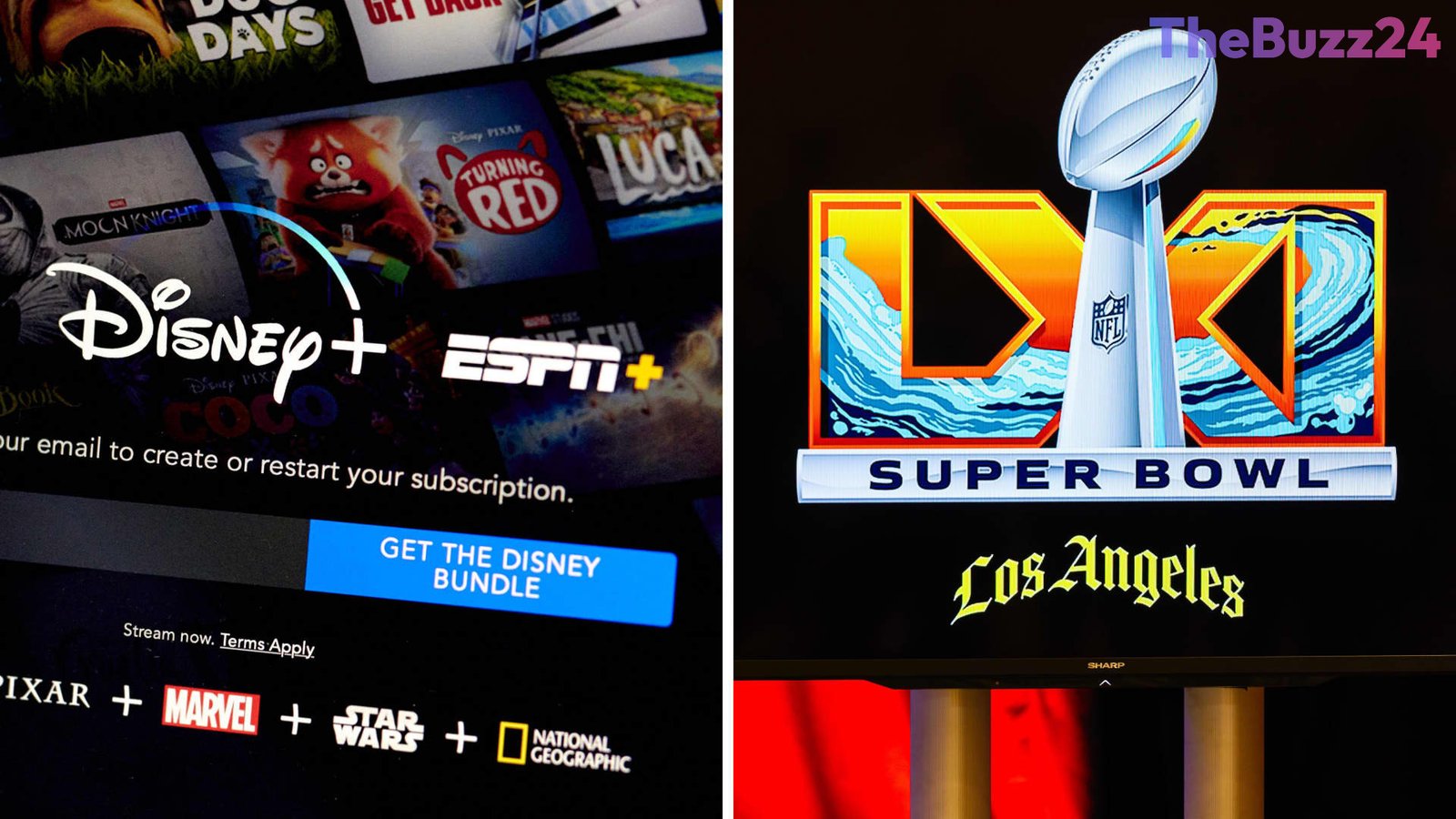
Disney is facing significant pushback from its ABC affiliate station owners over plans to distribute the upcoming Super Bowl across a wide array of platforms. While the broadcast network holds the rights to the game, the company intends to air the event simultaneously on ESPN, Disney+, ESPN2, ESPNU, and the NFL Network. Local station operators, who rely on the Super Bowl as a major annual revenue driver, argue that this fragmented distribution strategy will dilute broadcast viewership and significantly erode their local advertising income.
Industry estimates suggest that the move could result in a revenue decline of up to 35% for local affiliates compared to previous years. The core of the frustration lies in the loss of broadcast exclusivity, which has historically been a primary justification for the high ‘reverse retransmission’ fees that local stations pay to network owners. Unlike other streaming platforms that utilize dynamic ad insertion to allow local stations to sell their own commercials, Disney’s current plan for platforms like Disney+ lacks this capability, effectively cutting local operators out of the revenue loop.
Disney maintains that its strategy is a necessary evolution to meet modern consumer habits, noting that broad distribution is standard practice for major live events. The company has emphasized that it is working with the affiliate board to navigate these changes, framing the multiplatform approach as a way to maximize total reach. However, station executives remain concerned that by prioritizing its own streaming and cable assets, Disney is undermining the long-term viability of the linear television ecosystem that has traditionally supported the network’s success.
Key Takeaways
- Disney is distributing the Super Bowl across multiple platforms including Disney+, ESPN, and various alt-casts, breaking from traditional broadcast exclusivity.
- Local ABC affiliates estimate a potential 35% drop in local advertising revenue due to the fragmentation of the viewing audience.
- Affiliate station owners are concerned that Disney's strategy prioritizes its own streaming growth at the expense of the traditional broadcast business model.
Editor’s Analysis & Impact
The friction between Disney and its ABC affiliates highlights a critical inflection point in the media industry: the painful transition from linear broadcast dominance to a fragmented, streaming-first landscape. As media conglomerates like Disney attempt to bolster their direct-to-consumer platforms, they are increasingly cannibalizing the revenue streams of their legacy partners. This conflict underscores the fragility of the retransmission fee model, which has long been the backbone of local television economics. If networks continue to bypass local stations to capture total audience share, the affiliate model may face an existential crisis. Future negotiations will likely need to incorporate new compensation structures that account for streaming-driven audience dilution, or risk a permanent breakdown in the relationship between national networks and their local distribution partners.
Frequently Asked Questions
Q: Why are ABC affiliates upset with Disney's Super Bowl plan?
A: Affiliates are concerned that airing the game on multiple platforms like Disney+ and ESPN will reduce broadcast viewership, leading to a significant loss in local advertising revenue.
Q: What is the main difference between Disney's streaming approach and other networks?
A: Other networks often use dynamic ad insertion (DAI) on streaming platforms, which allows local affiliates to sell their own ads. Disney's current plan for Disney+ does not include this feature, preventing local stations from monetizing the streaming audience.
AI Disclosure: This article is based on verified data and official reports. Our Team and AI have cross-referenced every financial detail with primary sources to ensure total accuracy.
More from this Category