Allegations Surface Regarding Trump’s Intervention in Starlink Service for Ukraine
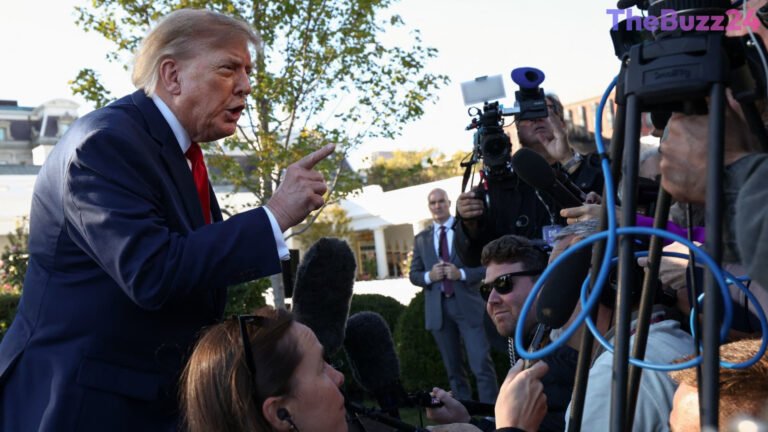
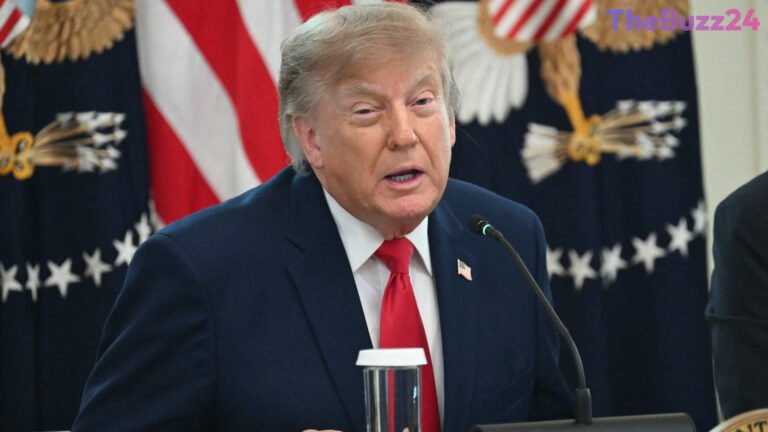
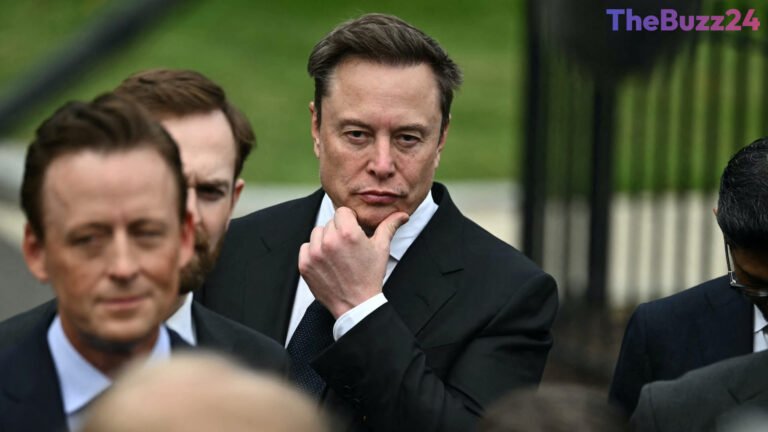
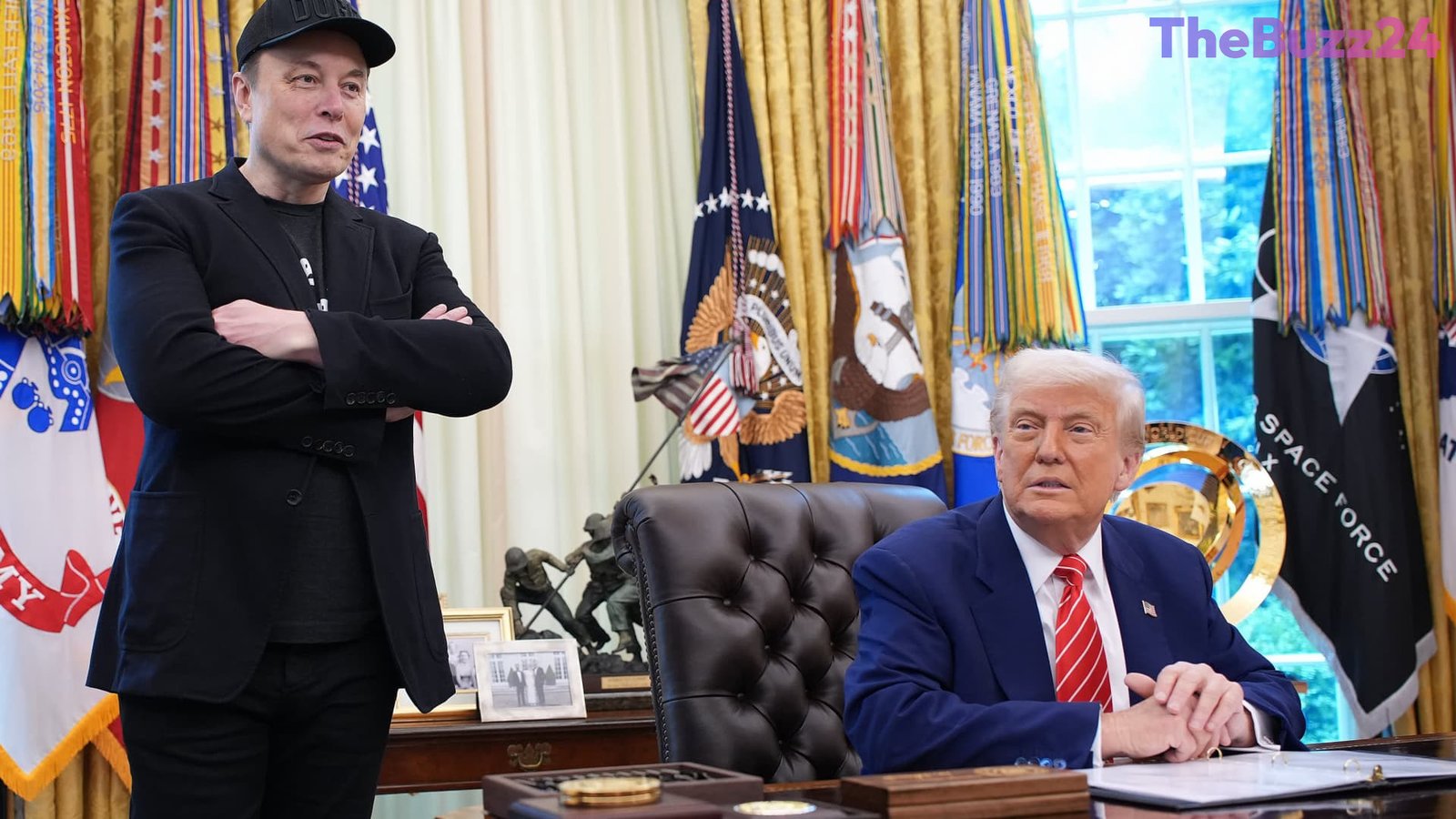
Reports have emerged detailing an alleged request from former President Donald Trump to Elon Musk, CEO of SpaceX, concerning the operational status of the military-grade Starshield system in Ukraine. This critical satellite communication network, a specialized version of Starlink, is indispensable for Ukraine’s defense efforts against Russia. Following this reported communication between Trump and Musk, the Starshield system in Ukraine was observed to be functioning more normally.
While the former President has repeatedly denied direct involvement in any decision to restrict or restore the service, he did acknowledge that “he put it back,” referring to Musk. The controversy began with earlier reports suggesting that Musk, a vocal critic of Ukrainian President Volodymyr Zelenskyy, had personally ordered a slowdown of the Starlink service. Accounts vary on the timing of discussions between Trump and Musk regarding these restrictions, with some sources indicating conversations occurred shortly after the slowdown became public, and others suggesting a dialogue prior to the implementation of the speed cap.
The situation has drawn significant bipartisan concern from U.S. lawmakers, highlighting the complex interplay between private technology providers and national security interests. This incident unfolds amidst Trump’s escalating criticism of President Zelenskyy and his administration’s pursuit of a deal to ease sanctions on Russia. In response to the controversy, Senator John Cornyn (R-Texas) expressed skepticism that Musk would act without at least tacit approval from the White House, while Senator Richard Blumenthal (D-Conn.) initiated an inquiry into how SpaceX’s satellite technology was reportedly degraded for a key ally without prior notice, raising fundamental questions about the control of critical capabilities procured with U.S. government funds.
Key Takeaways
- Former President Trump allegedly requested Elon Musk to restore full functionality to SpaceX's Starshield system in Ukraine, which had reportedly been throttled.
- The Starshield system, vital for Ukraine's defense against Russia, reportedly returned to normal operation shortly after the alleged conversation between Trump and Musk.
- The incident has sparked bipartisan concern and congressional inquiries into the control and potential degradation of critical U.S. government-procured technology.
Editor’s Analysis & Impact
This event underscores the increasingly critical role of private technology companies like SpaceX in geopolitical conflicts and national security. It raises significant questions about the autonomy of private tech providers when their services become essential infrastructure for state actors, potentially leading to increased scrutiny or regulation of dual-use technologies. The controversy highlights the complex interplay between technology, politics, and warfare, suggesting that future conflicts may rely heavily on private sector innovation, necessitating clearer frameworks for government-private sector collaboration and control. Furthermore, it reveals the potential for individual influence to impact international relations and military operations, creating potential vulnerabilities or leverage points for political actors and challenging consistent foreign policy.
Frequently Asked Questions
Q: What was the alleged 'slowdown' of Starshield?
A: Reports indicated that the Starshield system in Ukraine experienced a slowdown or restriction in its capabilities, which was attributed to an order from SpaceX CEO Elon Musk. This degradation of service reportedly impacted Ukraine's military operations.
Q: What is the significance of the congressional inquiries?
A: Congressional inquiries, such as the one launched by Senator Richard Blumenthal, aim to investigate the circumstances surrounding the alleged degradation of Starshield service. They seek to understand who has control over critical technologies procured by the U.S. government and the implications for national security and support for allies.
AI Disclosure: This article is based on verified data and official reports. Our Team and AI have cross-referenced every financial detail with primary sources to ensure total accuracy.
More from this Category