High Seas of Opulence: Cruise Lines Unveil Ultra-Luxury Suites Reaching $25,000 Per Night
The global travel industry is witnessing a significant surge in ultra-luxury offerings, with cruise lines leading the charge by introducing opulent suites that command prices up to $25,000 per night. This strategic pivot reflects a broader trend across hospitality, where affluent travelers are demonstrating an increasing willingness to invest in exclusive experiences, expansive personal space, and unparalleled service.
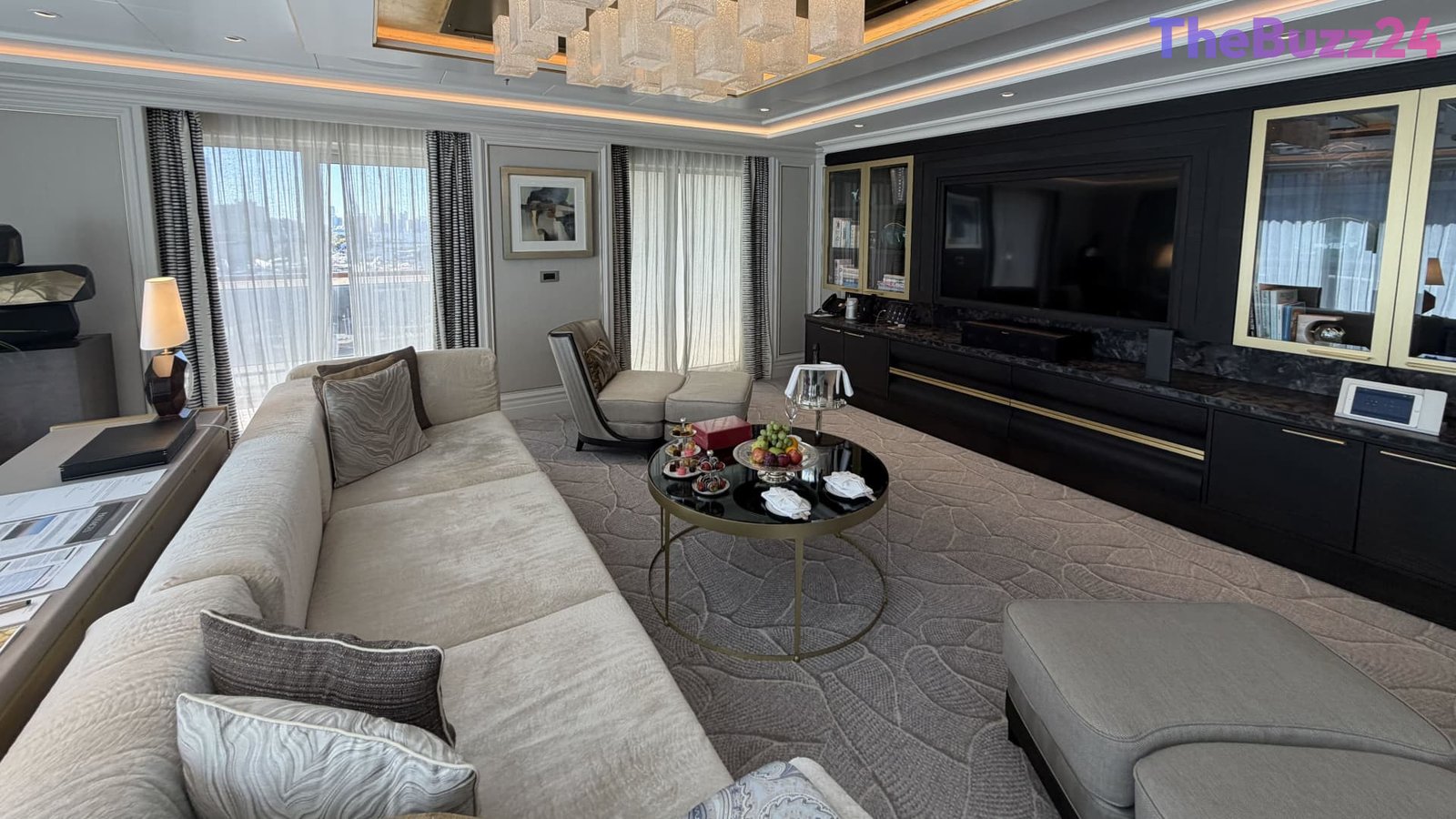
Leading this wave of extravagance is Regent, a luxury brand under Norwegian Cruise Line Holdings. Its Seven Seas Splendor currently features the Regent Suite, a top-tier accommodation priced at $15,000 per night. This lavish suite spans approximately 5,100 square feet and boasts amenities such as a Steinway piano, a private dining room, and a wraparound deck complete with a hot tub and panoramic views. The demand for such exclusivity is high, with the suite on the Splendor’s 151-night global cruise in January being almost consistently booked. Looking ahead, Regent plans to elevate its luxury portfolio further with the debut of the Seven Seas Prestige in December, its first new ship class in a decade, which will feature a premier suite priced at an astonishing $25,000 per night.
This focus on smaller, elite vessels, often carrying fewer than a thousand passengers, is proving to be a significant profit driver for companies like Norwegian Cruise Line Holdings, which also owns Oceania. John Chidsey, CEO of Norwegian, has emphasized a commitment to refining the positioning of these luxury brands, enhancing product quality, and elevating the guest experience. The competitive landscape is also intensifying, with established luxury cruise lines such as Royal Caribbean’s Silversea and Carnival’s Seabourn, alongside new entrants like Four Seasons, Aman, and Orient Express, all venturing into yacht-style luxury vessels. Industry projections indicate substantial growth, with the luxury cruise fleet expected to expand from 104 ships in 2026 to at least 130 by 2036, accompanied by a significant increase in berths.
While the luxury travel sector shows robust growth, with airlines like United and American reporting strong premium passenger revenues and Marriott’s luxury segment outperforming its broader hotel business, challenges persist. The Ritz-Carlton Yacht Collection, for instance, has reportedly faced occupancy issues, accumulating substantial losses. Similarly, Las Vegas Sands recently missed revenue and profit expectations, partly due to softness in high-end segments. As more companies enter the luxury market, maintaining the perception of scarcity and delivering truly indispensable experiences becomes crucial to justify premium pricing and ensure long-term success, rather than simply relying on the availability of affluent customers.
Key Takeaways
- The luxury cruise market is rapidly expanding, with new ultra-premium offerings like Regent's $25,000-a-night suites setting new benchmarks for high-end travel.
- This growth is part of a broader trend in the hospitality sector, where affluent travelers are willing to pay for exclusive experiences, expansive space, and personalized service across various segments, including airlines and hotels.
- Despite significant investment and projected growth, the luxury segment faces challenges such as maintaining exclusivity amidst increasing competition and ensuring high occupancy rates to sustain profitability.
Editor’s Analysis & Impact
The significant investment in ultra-luxury cruise offerings signals a strategic shift within the travel industry, prioritizing high-yield segments over mass-market volume. This trend underscores the resilience and spending power of affluent consumers, even in uncertain economic climates. The entry of renowned hotel brands into the cruise sector further blurs traditional industry lines, fostering innovation but also intensifying competition. While projections for fleet expansion are strong, the long-term outlook hinges on brands’ ability to consistently deliver unique, ‘indispensable’ experiences that justify escalating price points. Potential market saturation and the challenge of maintaining exclusivity could pressure margins, as evidenced by some recent struggles in high-end segments. Companies must innovate beyond mere luxury to create truly differentiated value propositions.
Frequently Asked Questions
Q: What is driving the expansion of luxury cruise offerings?
A: The expansion is primarily driven by an 'almost insatiable appetite' from affluent customers for more space, personalized service, and distinctive experiences, a trend observed across the broader luxury travel and hospitality sectors.
Q: How much can a top-tier luxury cruise suite cost?
A: Top-tier luxury cruise suites can command prices up to $25,000 per night, as exemplified by Regent's upcoming Seven Seas Prestige, which will feature a premier suite at this ultra-premium price point.
Q: Are there any challenges facing the luxury cruise market?
A: Yes, challenges include maintaining high occupancy rates, differentiating offerings amidst increasing competition from both established cruise lines and new entrants (like luxury hotel brands), and ensuring that the perceived value consistently justifies the ultra-premium pricing.
AI Disclosure: This article is based on verified data and official reports. Our Team and AI have cross-referenced every financial detail with primary sources to ensure total accuracy.
More from this Category