U.S. Treasury Yields Drop Below 5% Amid Stock Sell-Off and Geopolitical Tensions
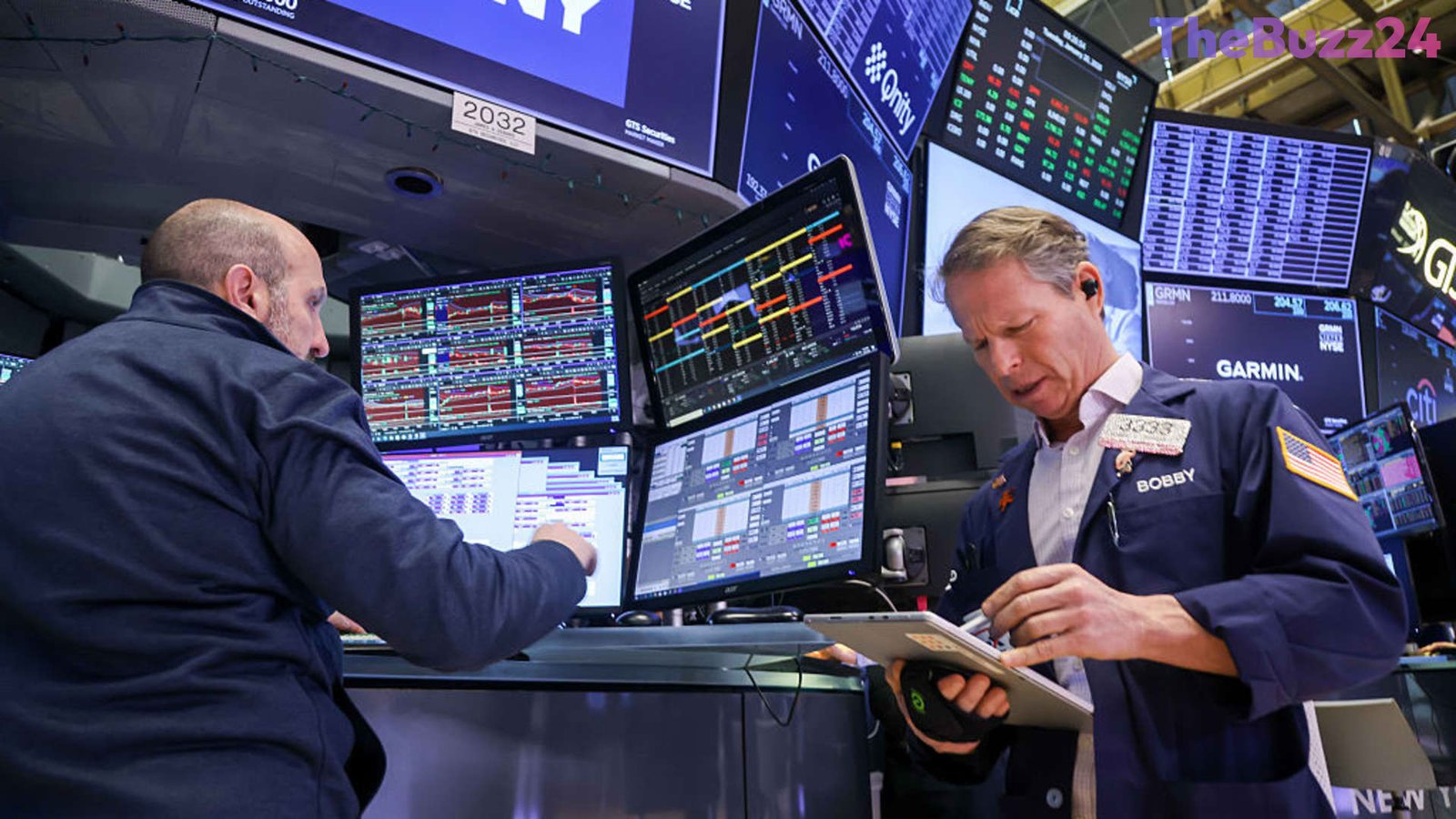
U.S. Treasury yields experienced a significant decline as investors rushed toward safe-haven assets. The broader market movement was triggered by a sharp equity sell-off, which was exacerbated by mounting anxieties surrounding the artificial intelligence sector and surging global oil prices.
The benchmark 10-year Treasury yield dropped more than 17 basis points, falling to 4.972% and dipping below the critical 5% threshold for the first time in nearly a month. This marked the most substantial single-day decline for the benchmark yield since March 2023. Shorter-term debt also saw heavy buying, with the 2-year Treasury note tumbling over 16 basis points to 4.659%, reflecting shifting expectations around monetary policy and economic stability.
Meanwhile, longer-term yields were similarly impacted. The 30-year Treasury yield fell more than 14 basis points to 5.296%. Market strategists noted that the broad-based rally in government bonds stems from a classic ‘flight to safety’ response. Investors are increasingly weighing the dual pressures of heavy corporate debt issuance tied to artificial intelligence infrastructure and escalating geopolitical risks, particularly in the Middle East, which pushed crude oil prices sharply higher.
Key Takeaways
- The benchmark 10-year U.S. Treasury yield fell below 5% for the first time since late September amid a stock market sell-off.
- Investors pivoted toward safe-haven assets driven by concerns over artificial intelligence spending and rising energy prices.
- Geopolitical tensions in the Middle East contributed to a significant jump in global oil prices and increased market caution.
Editor’s Analysis & Impact
The dramatic drop in Treasury yields below the psychological 5% threshold signals a notable pivot in investor sentiment. While the immediate catalyst was a flight to safety amid escalating Middle East tensions and tech sector volatility, the underlying concern points to a fragile economic balance. Elevated energy prices threaten to stoke inflation further, potentially complicating the Federal Reserve’s path forward on interest rates. If consumers continue to feel the pinch from high energy and borrowing costs, central bankers may find themselves in a difficult policy bind. For the fixed-income market, however, yields above 5% have clearly re-emerged as an attractive entry point, highlighting how macroeconomic uncertainty continues to drive rapid capital reallocation between equities and safe-haven debt.
Frequently Asked Questions
Q: Why did Treasury yields drop below 5%?
A: Treasury yields fell because investors rushed to safe-haven assets during a steep stock sell-off, driven by worries over AI sector spending, rising oil prices, and geopolitical tensions.
Q: What is a basis point?
A: One basis point equals 0.01%, or one-hundredth of a percentage point. Yields and bond prices move in opposite directions.
Q: How do geopolitical tensions affect Treasury yields?
A: Geopolitical events, particularly those affecting energy supplies and oil prices, increase global economic uncertainty. This typically prompts investors to sell riskier assets like stocks and buy government bonds, which drives bond prices up and yields down.
AI Disclosure: This article is based on verified data and official reports. Our Team and AI have cross-referenced every financial detail with primary sources to ensure total accuracy.
More from this Category