Nvidia’s GTC Highlights AI’s Dual Challenge: Scaling Compute and Securing Capital
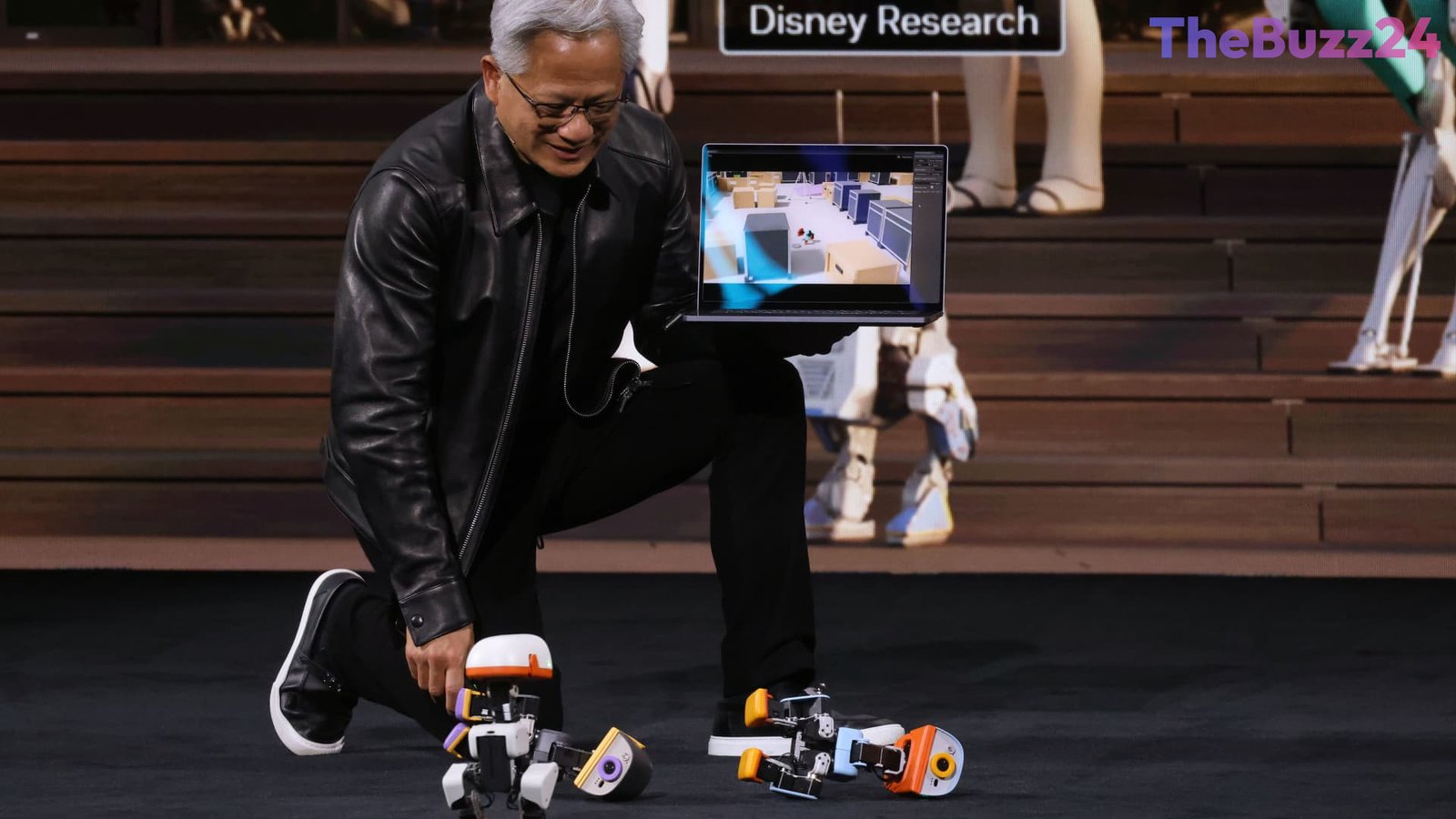
Nvidia’s recent GTC conference in Berlin served as the culmination of CEO Jensen Huang’s extensive European tour, during which he engaged with prominent world leaders and unveiled new product innovations. While the event showcased Nvidia’s continued leadership in artificial intelligence, discussions on the conference floor also brought to light significant concerns within the AI infrastructure sector, particularly regarding “neocloud distress” and the availability of capital for burgeoning AI initiatives.
A notable theme was the financial strain observed in the neocloud sector, which involves companies leasing AI compute resources. The final day of the conference coincided with a sell-off in public neocloud stocks, with companies like CoreWeave and Nebius experiencing significant declines. This downturn reflects a period of volatility for these firms, largely driven by concerns over substantial borrowing. Despite this, Jensen Huang maintained a bullish stance, emphasizing the “off the charts” demand for neocloud services. However, many attendees expressed apprehension about the sector’s stability, citing the market’s unease with the sheer number of businesses operating without established credit ratings.
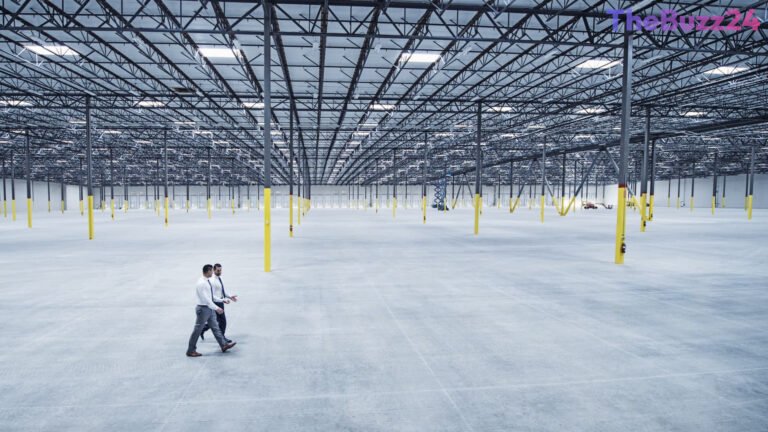
In response to the immense demand for faster AI compute deployment, Nvidia introduced a novel solution: a product that integrates seven of its Vera Rubin AI racks into a standard shipping container, designed for easy transportation on conventional roads. This innovation aims to expedite the process of bringing AI data centers online, a critical factor given that delays can result in billions of dollars in lost revenue. Major consumers of compute power, including OpenAI and Anthropic, are reportedly exploring similar opportunities for smaller, more agile AI data center deployments, signaling a broader industry shift towards modular and rapidly deployable infrastructure.
The colossal financial requirements for building AI infrastructure emerged as a potential bottleneck. Estimates suggest that AI-related capital spending could reach approximately $7.6 trillion between 2026 and 2031, encompassing compute, data centers, and power. Jensen Huang highlighted that a single 1-gigawatt data center alone could cost around $50 billion. He acknowledged a “scarcity of capital” to fuel this growth, noting that the demand for funding far outstrips its current availability, though he expressed confidence that this challenge would ultimately be resolved. This sentiment was echoed by industry executives who foresee capital becoming the primary constraint in the near future.
Key Takeaways
- Nvidia's GTC conference revealed market concerns about "neocloud distress" and the availability of capital for massive AI infrastructure investments.
- Despite a bullish outlook on demand, the AI compute leasing sector is experiencing stock declines due to heavy borrowing and a lack of credit ratings for many businesses.
- Nvidia is innovating with smaller, transportable data center solutions to accelerate AI compute deployment, addressing the urgent demand for faster infrastructure build-out.
Editor’s Analysis & Impact
The insights from Nvidia’s GTC conference underscore a critical juncture for the AI industry. While demand for AI compute remains “off the charts,” the sector is grappling with significant financial hurdles. The “neocloud distress” highlights the speculative nature and high capital intensity of AI infrastructure, where rapid expansion often relies on substantial borrowing. This could lead to consolidation or a more cautious investment environment, favoring established players or those with robust financing. Nvidia’s move towards modular, smaller data centers is a strategic response to accelerate deployment, but the overarching challenge of securing trillions in capital for global AI infrastructure remains. The industry’s future hinges on innovative financing models and a clearer path to profitability for these capital-intensive ventures, potentially slowing the pace of AI adoption if not addressed effectively.
Frequently Asked Questions
Q: What is 'neocloud distress'?
A: 'Neocloud distress' refers to the financial difficulties and market concerns experienced by companies that lease AI compute resources. This includes stock sell-offs and volatility, often driven by heavy borrowing and a lack of established credit ratings for many of these rapidly expanding businesses.
Q: Why are data centers becoming smaller and more transportable?
A: Data centers are becoming smaller and more transportable, as exemplified by Nvidia's new shipping container-based solution, to accelerate the deployment of AI compute power. This addresses the immense demand for faster infrastructure build-out and helps mitigate the billions of dollars in revenue lost due to delays in getting traditional data centers online.
Q: What is the main financial challenge facing AI infrastructure development?
A: The primary financial challenge is the colossal capital requirement for building AI infrastructure. Estimates suggest trillions of dollars are needed over the next few years, but there's a significant scarcity of available capital compared to the demand, potentially creating a bottleneck for the industry's growth.
AI Disclosure: This article is based on verified data and official reports. Our Team and AI have cross-referenced every financial detail with primary sources to ensure total accuracy.
More from this Category