Air France and KLM Hit With U.S. Penalties Over Unauthorized Iraqi Airspace Flights
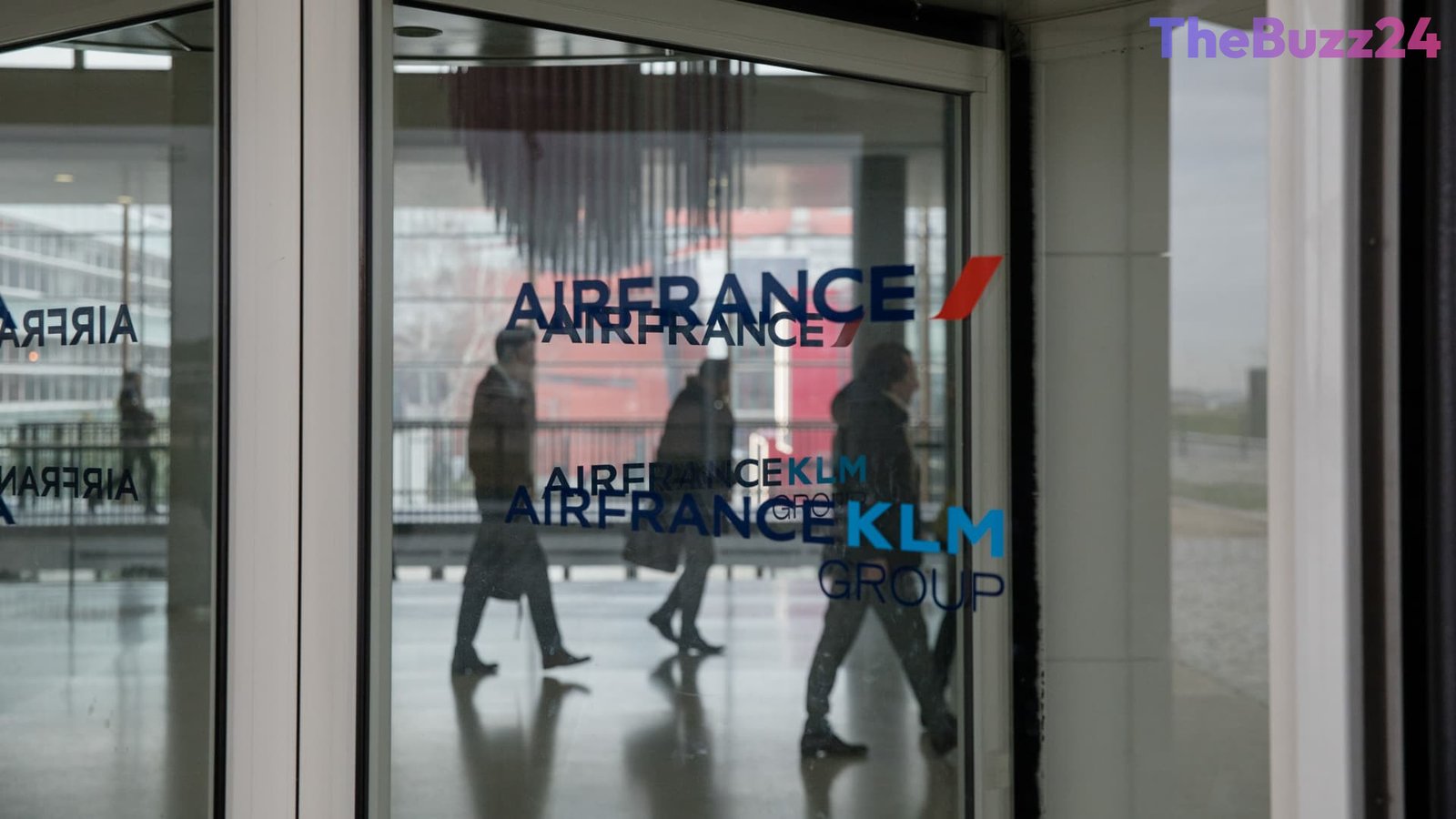
Federal transportation authorities have announced a financial penalty totaling $425,000 against European carriers Air France and KLM. The disciplinary action stems from dozens of flights operated through Iraqi airspace at altitudes that violated established safety guidelines meant to shield aircraft from potential ground-based threats.
Regulatory frameworks dictate that foreign airlines carrying codes belonging to U.S. carriers must strictly adhere to restrictions set by aviation authorities regarding conflict zones. Specifically, a long-standing directive prohibits civil aviation at altitudes beneath 32,000 feet over Iraqi territory due to ongoing regional tensions and militant activity. Despite these mandates, data revealed that Air France operated over 30 flights and KLM conducted more than 100 code-share flights with Delta Air Lines through the restricted zone between early 2022 and 2025.
In response to the penalties, the airlines defended their actions by pointing to directives from local air traffic controllers. Flight crews had reportedly received direct instructions to descend or were denied permission to ascend to avoid conflicting traffic. Representatives for the carriers argued that these circumstances should qualify for emergency exemptions. Nevertheless, transportation officials mandated that a substantial portion of the fine must be settled promptly, with the remainder suspended conditionally over a probationary one-year period.
Key Takeaways
- Air France and KLM were fined a combined $425,000 by U.S. transportation authorities.
- The penalties resulted from over 130 flights operating below the mandated 32,000-foot minimum altitude over Iraq between 2022 and 2025.
- The airlines defended their flight paths by citing conflicting traffic and direct instructions from local air traffic controllers.
Editor’s Analysis & Impact
This regulatory enforcement underscores the strict jurisdiction that U.S. aviation authorities exercise over code-share agreements involving foreign carriers. When international airlines partner with U.S.-based companies, they effectively inherit compliance obligations that span global airspace restrictions. The defense raised by Air France and KLM—attributing their altitude choices to local air traffic control mandates and potential emergency scenarios—highlights a recurring operational friction point between localized tactical instructions and overarching safety bans. Moving forward, major international carriers will likely need to refine their flight planning protocols to better reconcile conflicting demands from regional controllers and stringent foreign regulatory bodies, minimizing the risk of costly penalties and safeguarding passenger safety in volatile regions.
Frequently Asked Questions
Q: Why were Air France and KLM fined?
A: The airlines were penalized for operating code-share flights through Iraqi airspace below the federally mandated minimum altitude of 32,000 feet.
Q: How much do the airlines have to pay immediately?
A: The carriers must pay $265,000 of the total $425,000 fine within 60 days, with the rest contingent on avoiding further violations for one year.
Q: What was the airlines' defense for the altitude violations?
A: Air France and KLM stated that local air traffic controllers instructed them to descend or blocked their ascent due to traffic, qualifying the maneuvers for emergency exemptions.
AI Disclosure: This article is based on verified data and official reports. Our Team and AI have cross-referenced every financial detail with primary sources to ensure total accuracy.
More from this Category