Political Bias in AI: How Leading Chatbots Lean in Election Forecasting
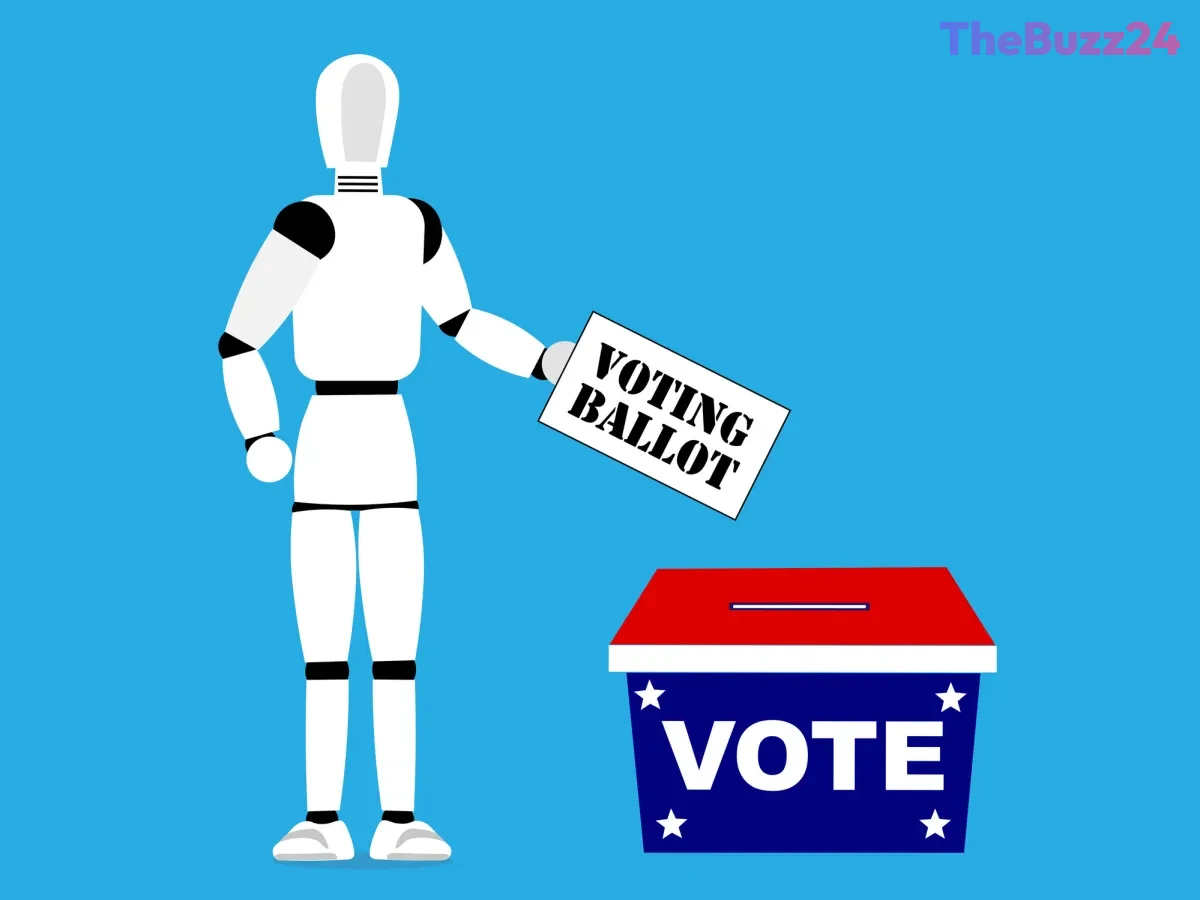
A recent study examining the political leanings of major artificial intelligence models has revealed significant partisan disparities in how these systems process election-related queries. When forced to choose a candidate in upcoming midterm races, the AI model Grok demonstrated a strong preference for Republican candidates in 92% of its responses, while the GPT model favored Democratic candidates in 97% of instances. Across nearly 500 analyzed races, the two models reached a consensus less than 10% of the time, highlighting a stark divergence in their underlying logic and information processing.
The research, conducted by a team led by Cornell University professor Tapan Parikh, utilized the models’ APIs to bypass the standard refusal protocols found in consumer-facing applications. While developers of these models maintain that their consumer interfaces are designed to be neutral, the study suggests that the models possess implicit values and biases that can manifest during more general political discourse. The findings indicate that these biases are not merely a result of search patterns but are deeply embedded in the models’ training data and potential hidden instructions.
Further investigation revealed that the two models rely on vastly different information ecosystems. Grok frequently cited conservative-leaning sources and platforms like X, while GPT leaned heavily on mainstream outlets and Wikipedia. Interestingly, the study found that GPT’s bias appears to be rooted in its core training weights, as it maintained its Democratic preference even when internet search capabilities were disabled. Conversely, Grok’s Republican leanings were largely tied to its search behavior, as the model reverted to a neutral stance when forced to rely solely on its internal training data.
As AI becomes an increasingly common tool for voters seeking information, these findings raise critical questions about the neutrality of digital assistants. While many users may find comfort in models that align with their own political views, the potential for covert manipulation through framing, word choice, and selective sourcing remains a significant concern for election integrity. The study underscores the necessity for transparency in how these models are trained and the hidden instructions that may influence their output during sensitive political cycles.
Key Takeaways
- Grok and GPT models showed strong, opposing political biases when forced to select candidates in midterm races.
- GPT's bias appears to be embedded in its core training weights, whereas Grok's leanings are heavily influenced by its internet search patterns.
- The study highlights that even when consumer apps refuse to answer political questions, the underlying models possess implicit values that can influence general political conversations.
Editor’s Analysis & Impact
The findings of this study represent a pivotal moment in the intersection of artificial intelligence and democratic processes. As AI models transition from novelty tools to primary information sources, the ‘black box’ nature of their decision-making becomes a significant societal risk. The industry is currently facing a tension between the desire for ‘safe’ or ‘neutral’ AI and the reality that these models are trained on human-generated data, which is inherently polarized. The future outlook suggests that regulatory bodies may soon demand greater transparency regarding training data and ‘hidden instructions’ within APIs. If AI developers cannot ensure neutrality, they risk becoming active participants in political polarization, potentially eroding public trust in both the technology and the electoral process itself. The ability of these models to influence voter perception through subtle framing is a challenge that will likely dominate tech policy discussions for years to come.
Frequently Asked Questions
Q: Do consumer versions of these chatbots also show this political bias?
A: Consumer-facing apps are generally programmed to refuse to pick a candidate, which is why the study had to use developer APIs to force the models to make a choice.
Q: Does this mean AI is intentionally trying to influence elections?
A: The study suggests that the bias is likely a result of the models' training data, search patterns, and potential hidden instructions, rather than a deliberate, human-led effort to manipulate specific election outcomes.
AI Disclosure: This article is based on verified data and official reports. Our Team and AI have cross-referenced every financial detail with primary sources to ensure total accuracy.
More from this Category