Israel Imposes Strict West Bank Lockdown Ahead of National Elections
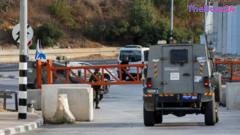
Israeli military authorities have announced a comprehensive closure of all land crossings in the West Bank scheduled for Tuesday, coinciding with the nation’s upcoming general election. The directive includes a total ban on Palestinian workers entering Israel, as well as restricted access to various settlements throughout the West Bank, including the Jordan Valley and designated industrial zones.
This security escalation follows a violent incident at a checkpoint that resulted in the deaths of two Israeli soldiers and injuries to three others. In response, the Israeli government has launched a significant military operation in the city of Hebron. Reports indicate that the operation has led to the displacement of approximately 2,000 residents, with military forces conducting home and business demolitions. Such tactics, often described by rights organizations as collective punishment, remain a point of intense domestic and international scrutiny.
The timing of these measures has sparked accusations that the government is leveraging security concerns for political gain. Critics, including local leadership in Hebron, suggest the aggressive military posture is designed to appeal to far-right voters and settler communities ahead of the polls. Meanwhile, the political climate remains volatile, as evidenced by large-scale anti-government protests in Tel Aviv, where demonstrators and opposition leaders are demanding accountability for security failures and calling for a formal inquiry into the events surrounding the October 7, 2023, attacks.
Key Takeaways
- Israel is closing all West Bank land crossings and banning Palestinian workers during Tuesday's national election.
- The lockdown follows a deadly attack on Israeli soldiers, triggering a major military operation and home demolitions in Hebron.
- Opposition leaders and protest groups are challenging the government's handling of security and demanding accountability ahead of the vote.
Editor’s Analysis & Impact
The intersection of national security operations and electoral cycles in Israel highlights a deeply polarized political landscape. By implementing strict movement restrictions, the current administration is attempting to project strength to its base, yet this strategy risks further destabilizing the West Bank and exacerbating humanitarian concerns. The displacement of thousands in Hebron and the subsequent international criticism place additional pressure on the government’s long-term diplomatic standing. Looking ahead, the outcome of the election will likely dictate whether these security policies are intensified or if there will be a shift toward de-escalation. The broader implication is a continued cycle of reactive military force that complicates any potential for future regional stability or a return to pre-conflict labor mobility.
Frequently Asked Questions
Q: Why are the West Bank crossings being closed?
A: The crossings are being closed as a security measure during the Israeli election, following a recent attack that killed two Israeli soldiers.
Q: How many people have been displaced by the recent military operations in Hebron?
A: According to the Israeli Defence Minister, approximately 2,000 residents have been displaced due to the military operation in Hebron.
AI Disclosure: This article is based on verified data and official reports. Our Team and AI have cross-referenced every financial detail with primary sources to ensure total accuracy.
More from this Category