Venezuelan Opposition Icon María Corina Machado Returns from Exile to Demand Democratic Elections
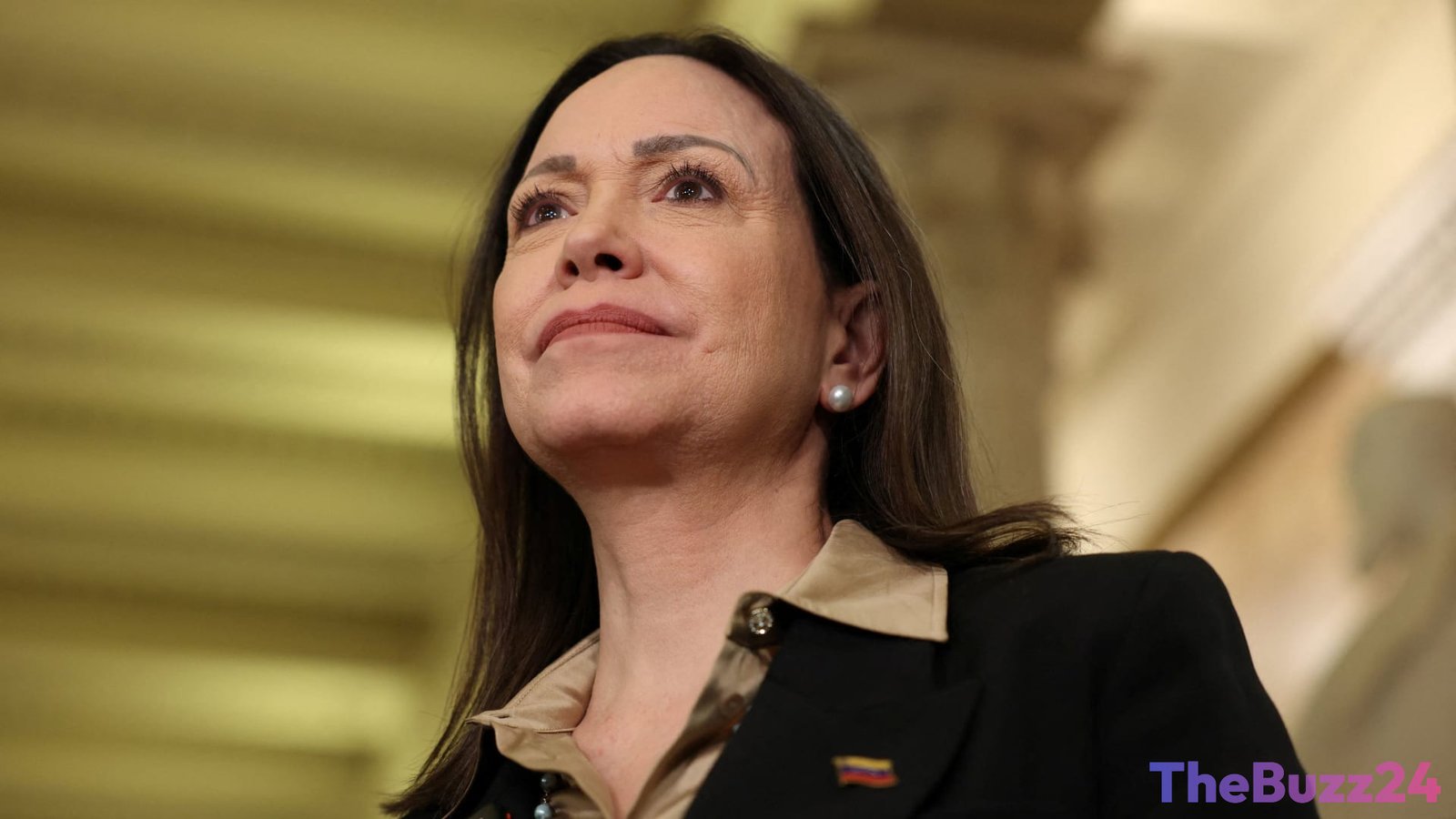
Venezuelan opposition leader and Nobel Peace Prize laureate María Corina Machado has made a dramatic return to her homeland following months of exile, reigniting national momentum for a democratic transition. Greeted by emotional crowds inside a church in Lara state before embarking on a journey toward Caracas, Machado’s arrival marks her first public appearance in the country since fleeing late last year. Her return directly challenges the current political paralysis surrounding Venezuela’s governance and intensifies calls for scheduled national elections.
Machado’s homecoming follows a turbulent period initiated by the U.S. military intervention in January that removed former President Nicolás Maduro from power. In the aftermath, Delcy Rodríguez, a prominent figure from the former regime, assumed the interim presidency with backing from Washington. While the temporary mandate was initially structured for a 90-day period to facilitate a swift democratic process, Rodríguez has remained in office beyond the timeframe without scheduling a presidential vote. Opposition leaders, including Edmundo González—who evidence indicates overwhelmingly won the contested 2024 presidential election—have rallied behind Machado to push for immediate electoral transparency.
Prior to her successful re-entry, Machado spent 11 months in hiding within Venezuela following a brief detention in early 2025 before making a covert escape to Norway, where she was honored with the Nobel Peace Prize for her nonviolent resistance against authoritarianism. Despite facing repeated travel blockades, airspace restrictions, and persistent safety threats, she repeatedly affirmed her commitment to returning. Her physical presence inside Venezuela now places direct pressure on both interim authorities and international diplomatic actors.
While U.S. Secretary of State Marco Rubio has maintained that economic recovery and institutional rebuilding must take priority before holding new elections, Machado’s return has energized a weary populace demanding immediate constitutional governance. U.S. President Donald Trump publicly acknowledged her return, noting her safety concerns while maintaining optimism about regional stability. As grassroots demonstrations swell across the country, Machado’s presence sets up a crucial political showdown over Venezuela’s democratic future.
Key Takeaways
- Nobel laureate María Corina Machado has returned to Venezuela after months in exile, mobilizing public support for democratic elections.
- Interim President Delcy Rodríguez remains in power beyond her initial 90-day mandate without setting a clear timeline for presidential elections.
- U.S. diplomacy prioritizes economic stabilization and institutional rebuilding prior to elections, contrasting with opposition demands for immediate voting.
Editor’s Analysis & Impact
The unexpected return of María Corina Machado marks a decisive turning point in Venezuela’s post-Maduro transitional period. By physically returning to the country, Machado effectively forces the hand of both interim President Delcy Rodríguez and Washington, placing democratic legitimacy back at the forefront of the political agenda. While the U.S. administration favors economic stabilization to secure energy markets and regional predictability, prolonged delays in holding elections risk alienating the Venezuelan public and undermining the democratic credibility of the transition. Moving forward, Machado’s presence will serve as a lightning rod for grassroots mobilization, compelling international stakeholders to balance immediate macroeconomic goals with concrete commitments to constitutional democracy.
Frequently Asked Questions
Q: Why did María Corina Machado leave Venezuela originally?
A: Machado went into hiding following political persecution and brief detention in early 2025 before making a covert escape to Norway to accept the Nobel Peace Prize.
Q: Who currently governs Venezuela following the removal of Nicolás Maduro?
A: Delcy Rodríguez, a former key ally of Maduro, currently serves as interim president with back-up from U.S. officials while managing economic stabilization.
Q: What is the position of the U.S. regarding immediate elections in Venezuela?
A: U.S. officials argue that Venezuela must first stabilize its economy and rebuild critical judicial and electoral institutions before conducting national presidential elections.
AI Disclosure: This article is based on verified data and official reports. Our Team and AI have cross-referenced every financial detail with primary sources to ensure total accuracy.
More from this Category