Antarctic Waterway Named in Honor of Veteran BBC Science Reporter
A significant body of water in Antarctica has been officially named the Amos Channel, recognizing the extensive contributions of former BBC science correspondent Jonathan Amos. The waterway, situated between Rothschild Island and the larger Alexander Island in the western part of the continent, was named to acknowledge Amos’s nearly four-decade career dedicated to making Antarctic research accessible to the public.
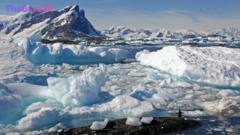
The formation of the Amos Channel is a recent development, resulting from the disintegration of an ice shelf that previously connected Rothschild and Alexander Islands. This event underscores the dynamic and changing nature of the Antarctic environment, a subject Amos frequently covered during his tenure at BBC News. His reporting spanned a wide array of polar science topics, including the impact of melting ice sheets, the status of penguin populations, and significant discoveries like the location of Ernest Shackleton’s lost ship, the Endurance.
Amos, who retired from the BBC in 2024, expressed his profound gratitude for the honor, calling it an “extraordinary accolade.” While he has extensively reported on Antarctica from afar, he admitted the naming provides a strong motivation to visit the continent he has so often described. He emphasized Antarctica’s critical role as “the front line of the biggest news story on planet Earth – climate change.”
The naming recommendation came from the UK Antarctic Place Names Committee, responsible for designating geographical features within British Antarctic Territory and surrounding islands. Officials highlighted Amos’s “passion for Antarctica and engaging journalism” as instrumental in promoting understanding of the region’s scientific importance. His career, which began in 1986, also included a key role in the launch of the BBC News website in 1997, where he managed the online science desk for many years.
Key Takeaways
- A new waterway in Antarctica has been named the Amos Channel in honor of former BBC science correspondent Jonathan Amos.
- The naming recognizes Amos's 38-year career in reporting on Antarctic research and climate change.
- The Amos Channel formed due to the disintegration of an ice shelf, highlighting the changing Antarctic environment.
Editor’s Analysis & Impact
The naming of the Amos Channel serves as a powerful reminder of the critical role journalism plays in communicating complex scientific issues, particularly concerning climate change. Jonathan Amos’s decades of reporting have not only informed the public but have now left a permanent mark on the geography of a continent central to global climate understanding. This event underscores the increasing public and scientific focus on polar regions as indicators of planetary health. As ice melt accelerates, such geographical changes, coupled with the recognition of those who report on them, will likely become more common, emphasizing the interconnectedness of scientific discovery, environmental change, and public awareness.
Frequently Asked Questions
Q: Who is Jonathan Amos?
A: Jonathan Amos is a former BBC science correspondent who worked for the broadcaster for 38 years, reporting extensively on polar research, climate change, and other scientific topics.
Q: Where is the Amos Channel located?
A: The Amos Channel is a body of water in Antarctica, situated between Rothschild Island and Alexander Island in the western part of the continent.
Q: How was the Amos Channel formed?
A: The Amos Channel was formed when a chunk of ice that connected Rothschild and Alexander Islands disintegrated.
AI Disclosure: This article is based on verified data and official reports. Our Team and AI have cross-referenced every financial detail with primary sources to ensure total accuracy.
More from this Category