Arctic Ambitions: How Moscow and Beijing Are Reshaping Polar Trade Routes
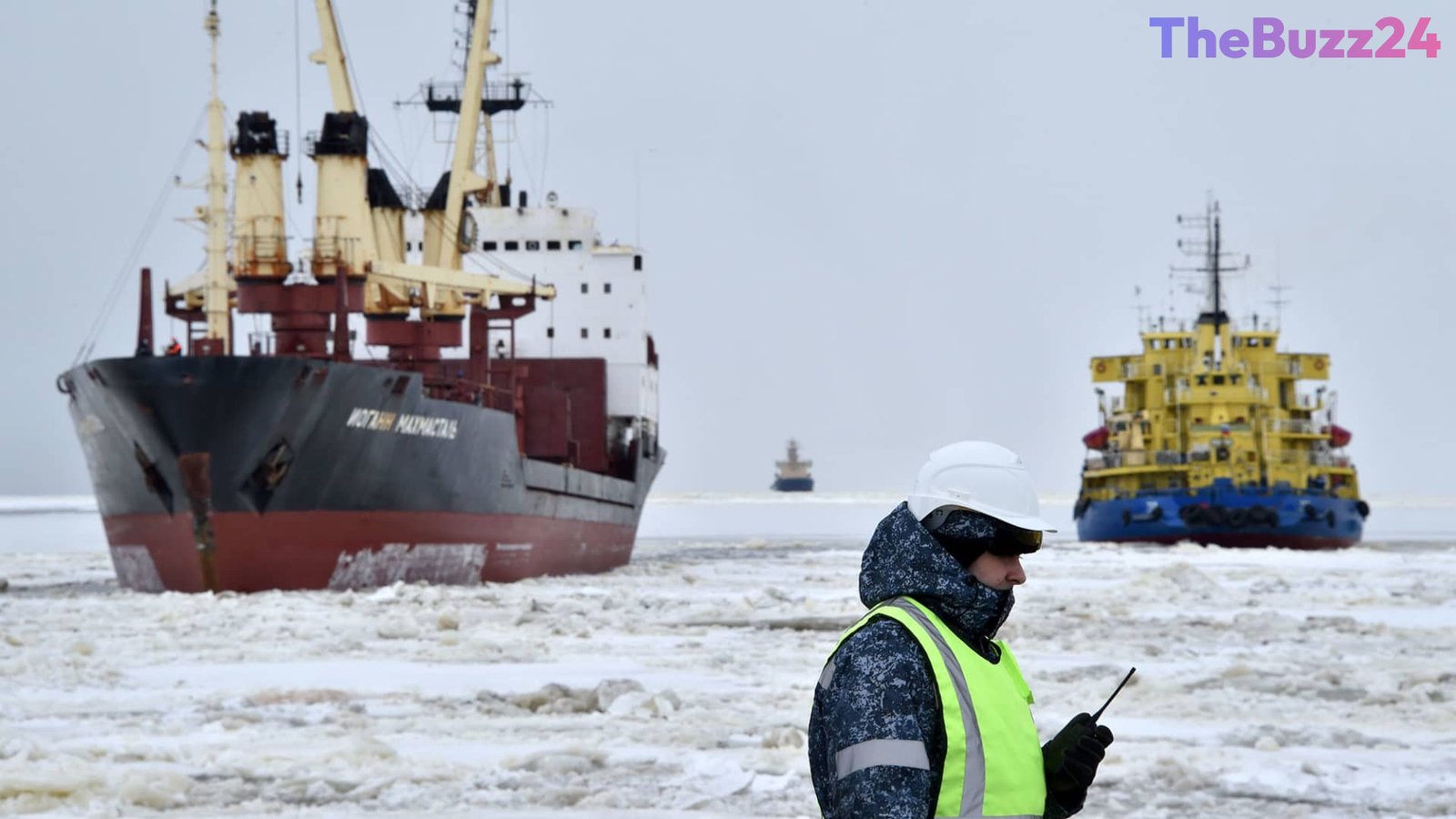
China and Russia are solidifying their control over Arctic shipping lanes, establishing a formidable partnership that poses new geopolitical and economic challenges for Europe. Recent formal agreements between Moscow and Beijing outline plans to significantly expand freight traffic along northern maritime corridors, increase port services, and collaborate on the construction of specialized polar vessels. This strategic alignment underscores how the fast-warming polar region is rapidly evolving into a critical arena for global trade dominance.
At the center of this burgeoning alliance is the Northern Sea Route, which offers a much shorter transit time between Asia and Europe compared to traditional passages like the Suez Canal. For Moscow, the route serves as a vital economic lifeline to redirect energy exports toward Asian markets in the wake of Western sanctions. Meanwhile, Beijing gains an alternative trade artery that reduces its vulnerability to traditional maritime chokepoints. While the route currently accounts for only a minor fraction of global shipping, traffic has shown measurable growth, driven heavily by Russian oil and liquefied natural gas shipments.
In response to these shifting dynamics, European authorities have unveiled strategic initiatives aimed at countering growing Russian and Chinese influence in the high north. These measures include proposals to expand European icebreaker fleets, enhance maritime surveillance, and bolster the security of critical underwater infrastructure. However, analysts point out that Europe faces severe structural disadvantages, including limited polar infrastructure and a heavy reliance on Russian-controlled transit permits and icebreaker fleets. Although climate change is expected to gradually improve navigability in the coming decades, the Arctic route is currently viewed more as a seasonal express corridor for specific commodities rather than an immediate replacement for established global trade arteries.
Key Takeaways
- Moscow and Beijing have finalized agreements to expand freight traffic, port cooperation, and polar vessel construction along Arctic shipping corridors.
- The Northern Sea Route significantly shortens transit times between Asia and Europe, offering Russia a way to redirect energy exports and giving China a secure trade alternative.
- Europe's ability to challenge the China-Russia partnership remains constrained by a lack of icebreaker capacity and heavy reliance on Russian-controlled infrastructure.
Editor’s Analysis & Impact
The deepening economic and logistical cooperation between Russia and China in the Arctic represents a structural shift in global trade routes and geopolitics. As climate change steadily reduces ice cover, the strategic value of northern maritime corridors will only escalate. While the Arctic currently handles a minuscule percentage of total global shipping cargo, its long-term implications for energy transit and supply chain diversification are profound. For Europe, the challenge lies in balancing the need to protect critical infrastructure and counter adversarial influence without falling deeper into a trap of resource dependency. The evolving polar landscape will likely force Western economies to rethink their maritime strategies and invest heavily in northern capabilities over the coming decades.
Frequently Asked Questions
Q: Why are the Arctic shipping routes becoming increasingly important?
A: Arctic shipping routes, particularly the Northern Sea Route, significantly shorten the transit distance and time between Asia and Europe compared to traditional corridors like the Suez Canal. They also provide alternative trade paths that help bypass traditional maritime chokepoints and allow Russia to redirect energy exports to Asian markets.
Q: What advantages do Russia and China hold in the Arctic?
A: Russia controls the Northern Sea Route, including essential transit permits, fees, and a powerful fleet of nuclear icebreakers. China contributes the cargo, commercial vessels, and industrial capacity needed to develop and sustain the corridor.
Q: Can Europe effectively counter the Russia-China Arctic partnership?
A: Europe faces significant limitations, including a lack of adequate icebreaker capacity and Arctic infrastructure. While the European Union has introduced strategies to enhance maritime surveillance and protect critical assets, experts believe these measures offer limited leverage against the structural advantages held by Moscow and Beijing.
AI Disclosure: This article is based on verified data and official reports. Our Team and AI have cross-referenced every financial detail with primary sources to ensure total accuracy.
More from this Category