Kherson Ceasefire Expanded Across Region to Facilitate Humanitarian Relief and Evacuations
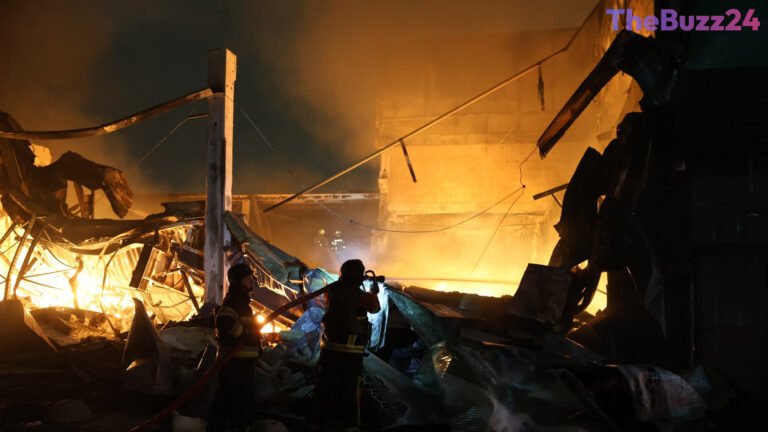
A temporary ceasefire initially intended to deliver critical humanitarian assistance to the besieged city of Oleshky has been expanded across the wider Kherson region in southern Ukraine. The halt in combat operations provides a crucial window for thousands of stranded residents who have been living without basic necessities such as food, clean water, and electricity due to prolonged blockade and surrounding frontlines.
The expanded truce follows high-level international diplomatic engagement, including mediating efforts involving US First Lady Melania Trump and Pope Leo XIV. Local officials confirmed that artillery bombardments have ceased across both Ukrainian-controlled areas in Kherson city and Russian-occupied sectors in the surrounding region. Engineering units are currently conducting demining operations along primary transit roads to clear safe passages for incoming humanitarian convoys and upcoming civilian evacuations.
Conditions within Oleshky have deteriorated drastically since the destruction of the nearby Kakhovka Dam in 2023, which destroyed local infrastructure and isolated the community. Deprived of open markets and utility services, remaining residents have faced extreme famine, with some forced to forage for wild plants to survive. Under the terms of the current agreement, initial aid deliveries are to be followed by organized evacuation operations intended to allow vulnerable civilians to leave the dangerous frontline zone.
Despite the temporary lull in active hostilities, significant security and logistical challenges remain. Ukrainian leadership has cautioned civilians regarding transit safety, pointing to destroyed river crossings along the Dnipro River and heavily mined perimeter roads. While temporary accommodations have been designated in surrounding regions to house fleeing residents, local distrust and fears over potential transit routes underscore the fragile nature of the de-escalation effort, which is scheduled to remain in effect through November 1.
Key Takeaways
- A temporary ceasefire in the Kherson region has been expanded to facilitate humanitarian aid deliveries and safe civilian evacuations through November 1.
- International mediation efforts involving figures such as US First Lady Melania Trump and Pope Leo XIV played a key role in establishing the de-escalation window.
- Demining teams are actively working to clear access routes into Oleshky, where thousands of residents have endured extreme shortages of food, power, and clean water.
Editor’s Analysis & Impact
The expansion of the ceasefire across the Kherson region marks a notable humanitarian pause in an otherwise protracted conflict. Beyond offering immediate relief to isolated populations in Oleshky, the temporary truce demonstrates the ongoing potential for localized diplomatic interventions to alleviate civilian suffering. However, the operational success of the agreement hinges on strict adherence to the cease-fire by both military forces and the thorough clearing of landmines along designated transit corridors. Furthermore, deep-seated geopolitical distrust poses challenges regarding the ultimate destination and long-term security of evacuees. If maintained successfully through its scheduled deadline, this de-escalation could establish a functional blueprint for future localized humanitarian corridors along active frontline sectors.
Frequently Asked Questions
Q: How long is the temporary ceasefire in Kherson set to remain active?
A: The agreed pause in hostilities is scheduled to continue through 22:59 local time on Sunday, November 1.
Q: Why is the humanitarian situation in Oleshky particularly critical?
A: Oleshky has been largely cut off from supplies, electricity, and clean water since the destruction of the Kakhovka Dam in 2023, leaving thousands of trapped civilians facing extreme shortages and food scarcity.
Q: What primary operations are taking place during the ceasefire?
A: Military engineering units are conducting demining along key transit roads to allow humanitarian convoys to enter the area safely, followed by organized civilian evacuation efforts.
AI Disclosure: This article is based on verified data and official reports. Our Team and AI have cross-referenced every financial detail with primary sources to ensure total accuracy.
More from this Category