Trump’s $5,000 Stimulus Proposal Meets Growing Economic Anxiety Ahead of Midterms
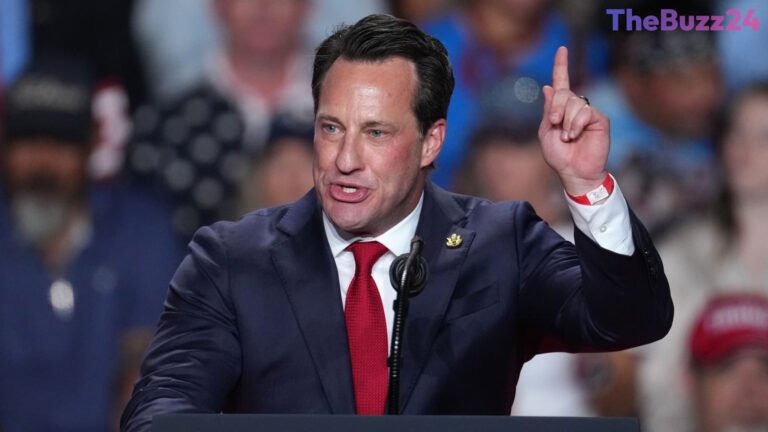
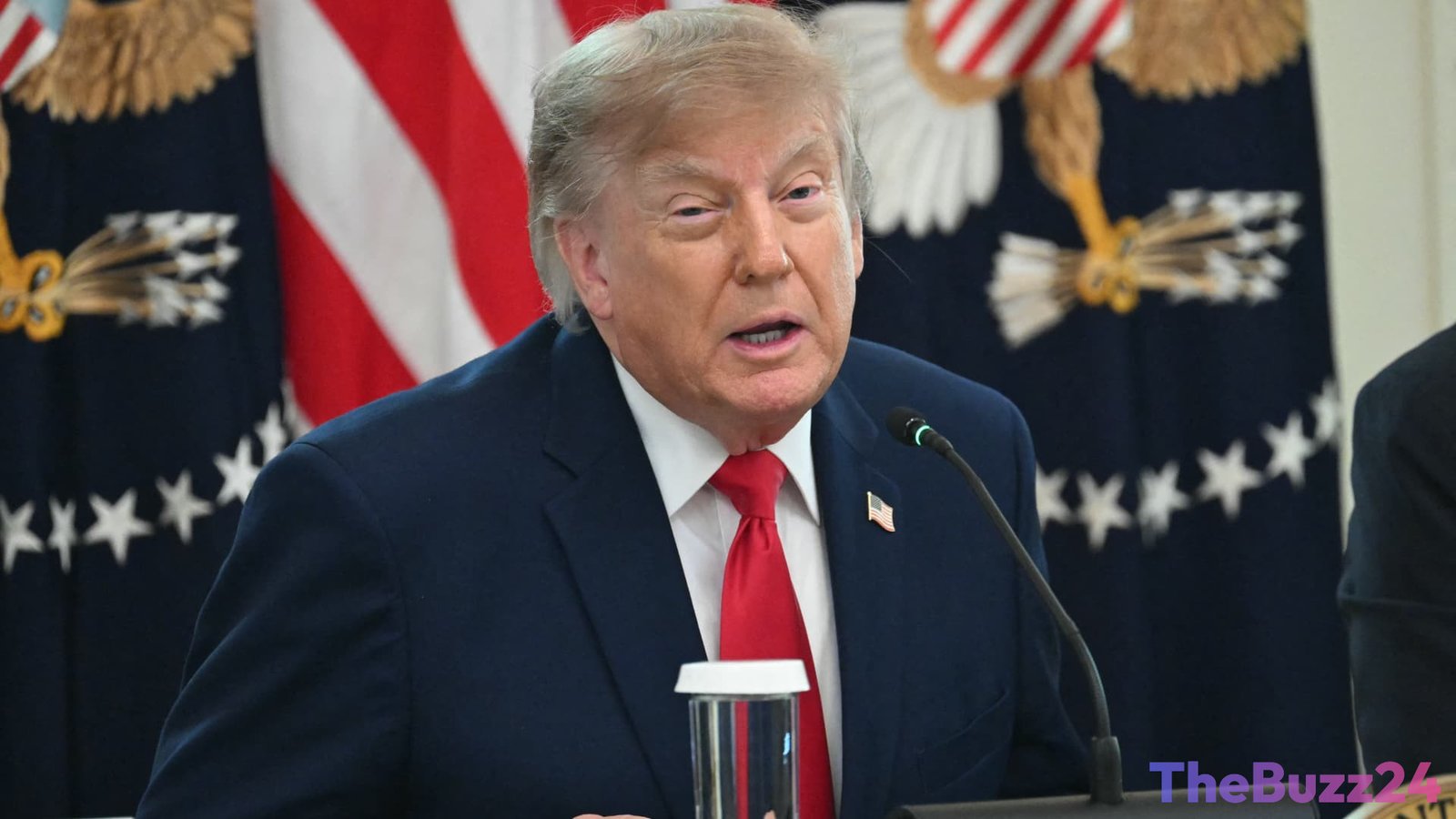
During a recent political rally in Texas, Donald Trump addressed his proposal to provide $5,000 payments to every adult citizen in the United States. In a moment of levity, he joked that the amount would likely only cover the cost of a hamburger and a small dessert at his Mar-a-Lago club in Florida, suggesting the venue might not be the best choice for the price-conscious. The proposal is contingent upon Republicans securing majorities in both the House and the Senate, with the requirement that the funds be spent domestically.
The comments arrive at a critical juncture as the midterm elections approach, with the cost of living emerging as a primary concern for the American electorate. Recent data suggests that 55% of voters believe the prices for their families are increasing at an accelerated rate. Specifically, the rising costs of groceries and fuel have become significant pain points, with a large portion of the population identifying these as their most pressing economic issues.
While the $5,000 stimulus plan aims to provide direct relief, it faces significant hurdles and criticism. Implementing such a program would require congressional approval and is estimated to cost roughly $1.2 trillion. Furthermore, many economists have cautioned that such large-scale, one-time payments could inadvertently fuel inflation, potentially worsening the very affordability crisis they are intended to solve. This skepticism is compounded by previous instances where similar campaign promises regarding direct benefits did not materialize.
The political landscape remains charged, with debates extending beyond economic policy to include the management of government institutions. As the election nears, the tension between populist economic promises and the practical realities of fiscal policy and inflation will likely serve as a central theme for voters deciding the future direction of the country.
Key Takeaways
- Donald Trump has proposed a $5,000 payment to every adult U.S. citizen, provided Republicans control Congress.
- Voters are increasingly concerned about the cost of living, particularly regarding food and gasoline prices.
- Economists warn that a $1.2 trillion stimulus could potentially worsen inflation and economic instability.
Editor’s Analysis & Impact
The intersection of populist economic promises and the reality of inflation creates a volatile political landscape. Trump’s $5,000 proposal is a high-stakes gamble designed to appeal to voters feeling the pinch of rising costs, yet the sheer scale of the $1.2 trillion requirement poses significant legislative and inflationary risks. If implemented, such a massive liquidity injection could trigger a feedback loop of rising prices, potentially undermining the very relief it seeks to provide. As voters prioritize food and energy costs, the effectiveness of direct cash transfers versus structural economic reform will likely become a defining debate of the election cycle. The skepticism surrounding the feasibility of these payments reflects a broader trend of voter fatigue regarding unfulfilled political pledges.
Frequently Asked Questions
Q: What is the condition for the proposed $5,000 payments?
A: The payments are contingent upon Republicans retaining majorities in both the U.S. House and the Senate.
Q: What are the primary economic concerns for voters according to recent surveys?
A: The most pressing concerns for voters are the rising costs of food, groceries, and gasoline.
AI Disclosure: This article is based on verified data and official reports. Our Team and AI have cross-referenced every financial detail with primary sources to ensure total accuracy.
More from this Category