Google Expands AI Reach With New Platform Connecting Third-Party Apps to Search and Gemini
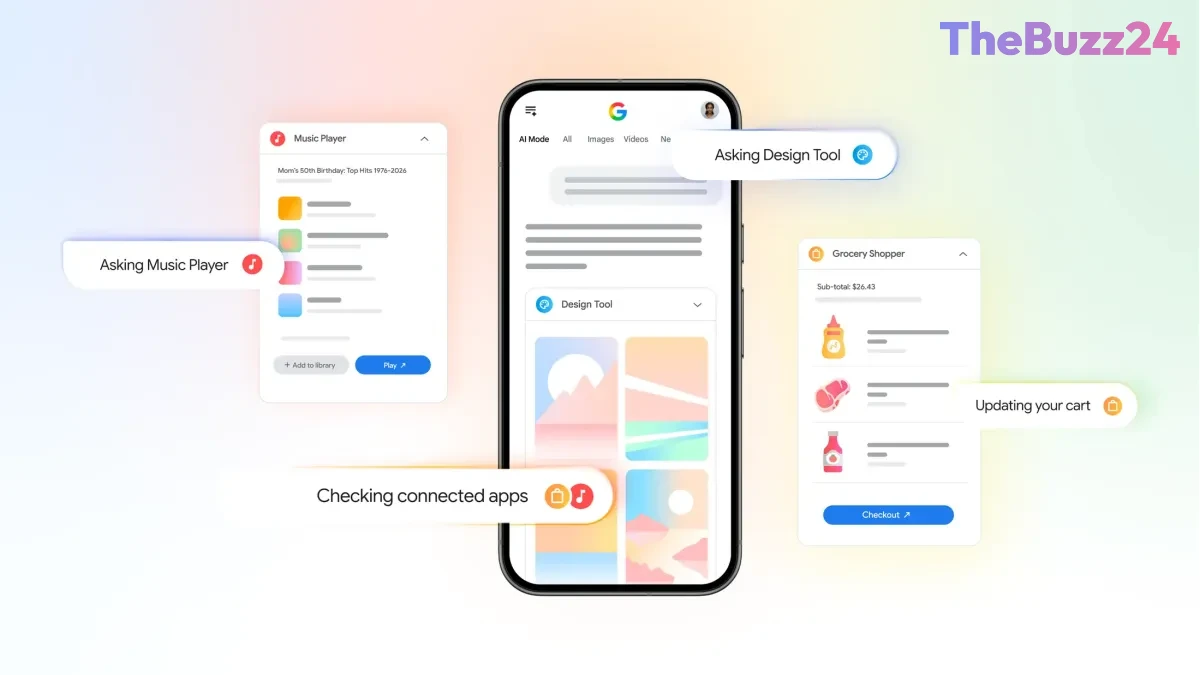
Google is advancing its artificial intelligence strategy by launching a new framework designed to help businesses seamlessly integrate their applications with dominant AI ecosystems like Search and Gemini. The initiative, known as the Connected Apps Platform, bridges the gap between everyday software services and conversational intelligence tools, allowing consumers to execute specific tasks without ever leaving their primary AI interface.
The core functionality builds upon features rolled out earlier this year, enabling individuals to securely link third-party services—ranging from design tools to music streaming applications—directly into their digital assistants. Rather than juggling dozens of distinct software programs on a smartphone or desktop, users can orchestrate complex workflows through natural language prompts. This shift reflects a broader industry trend toward agentic web navigation, where AI acts as the primary intermediary for digital consumption.
To populate this ecosystem rapidly, the technology giant has opened submissions to developers and enterprises across the United States. Creators can utilize cloud-hosted Model Context Protocol servers or Android MCP frameworks via dedicated APIs to register and test their applications. Once approved, developers retain control over their brand identity, including logos and verified accounts, while gaining access to comprehensive analytics dashboards that monitor traffic, latency, and operational error rates.
Currently featuring dozens of prominent partners spanning financial services, fitness, and productivity, the integration is expanding from the Gemini application directly into traditional web search interfaces over the coming weeks. While the initial public preview remains restricted to U.S.-based developers via a waitlist, the long-term implications point toward a major transformation in how digital storefronts and services compete for consumer attention in an AI-first world.
Key Takeaways
- Google has launched the Connected Apps Platform in U.S. beta, allowing businesses to integrate their applications directly into Search and Gemini.
- Developers can use Model Context Protocol (MCP) servers and specialized APIs to build, submit, and track the performance of their AI-integrated apps.
- The rollout paves the way for an 'agentic web,' where AI assistants manage tasks across multiple third-party services, reducing the need for standalone app navigation.
Editor’s Analysis & Impact
The introduction of Google’s Connected Apps Platform represents a pivotal moment in the evolution of AI-driven digital experiences. As conversational assistants transition from simple novelty chat interfaces to fully fledged transactional agents, the battle for consumer attention is shifting away from traditional app stores. For businesses, mastering this new ecosystem could soon become as critical as traditional search engine optimization (SEO) was for web traffic. By establishing standardized protocols like MCP, Google is laying the groundwork for a deeply interconnected digital economy. However, success will heavily depend on developer adoption, privacy safeguards, and the ability to maintain a seamless, low-latency user experience across millions of distinct third-party integrations.
Frequently Asked Questions
Q: What is the Connected Apps Platform?
A: It is a new framework that allows businesses and developers to connect their third-party applications directly to Google's Search and Gemini AI experiences, enabling users to interact with them via AI prompts.
Q: How can developers participate in the preview?
A: U.S.-based developers can sign up for the waitlist, integrate using cloud-hosted Model Context Protocol (MCP) servers or Android MCP via AppFunctions APIs, and use the Google Connected Console to register and submit their apps.
Q: Which platforms will support these integrated apps?
A: The integrated apps will be available across both the Gemini application and Google Search, with developers having the option to choose where their services appear.
AI Disclosure: This article is based on verified data and official reports. Our Team and AI have cross-referenced every financial detail with primary sources to ensure total accuracy.
More from this Category