Navigating Midterm Election Jitters: What History Reveals About Stock Market Performance
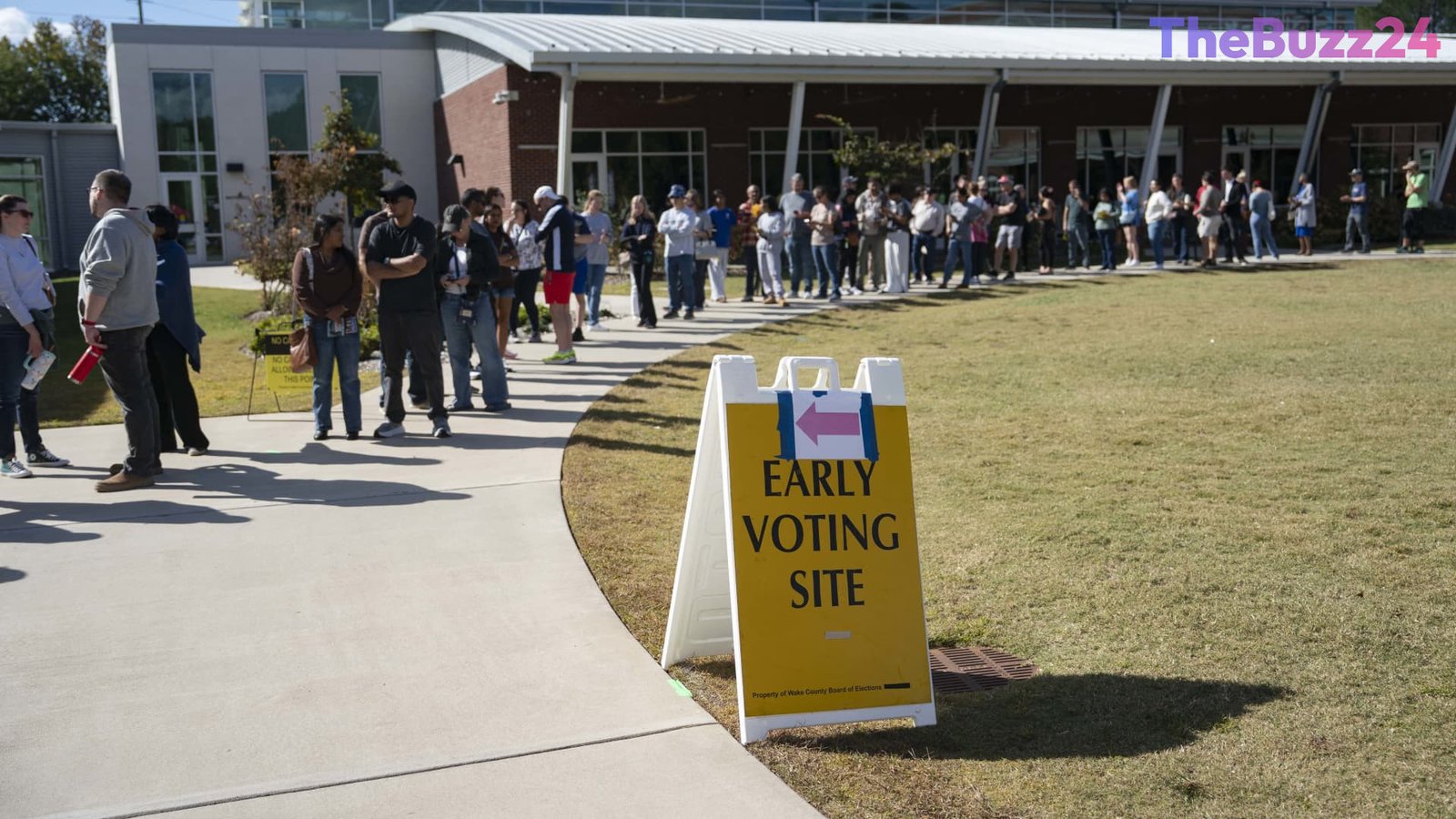
As midterm elections approach, a significant portion of investors find themselves battling anxiety over how political shifts might destabilize their portfolios. Recent financial surveys indicate that roughly half of active market participants feel uneasy about upcoming congressional outcomes, with many fearing long-term repercussions for their wealth. Financial professionals report that political uncertainty has dominated client conversations for months, leading to heightened pre-election scrutiny across wealth management firms.
Despite widespread apprehension, historical market data paints a surprisingly reassuring picture of how equities typically behave following a midterm vote. While midterm years historically experience elevated volatility—often driven by policy speculation and shifting congressional power dynamics—markets frequently rally once the ballots are cast. Past analyses of major indices demonstrate that the removal of political ambiguity often acts as a catalyst for a market rebound, as investors transition from fear of the unknown to operating within a defined legislative reality. Over the past several decades, the months immediately following midterm elections have routinely yielded positive average returns for the S&P 500.
Furthermore, economists point out that a divided government—frequently the result of midterm corrections where the president’s party loses congressional ground—does not inherently harm long-term asset returns. In fact, historical annualized price returns under split control closely mirror those of unified governments, suggesting that political gridlock can successfully insulate the broader economy from radical policy swings. Financial advisors consistently emphasize that reactionary portfolio adjustments driven purely by election headlines can permanently damage a sound long-term investment strategy.
Instead of attempting to time the market around political cycles, experts advise investors to focus on fundamental principles such as personal risk tolerance, time horizon, and target asset allocation. Years of strong market performance can leave portfolios heavily weighted toward equities, making routine rebalancing a prudent, non-emotional step. Ultimately, maintaining a disciplined approach tailored to individual financial goals remains the most effective defense against election-induced market volatility.
Key Takeaways
- Nearly half of surveyed investors express anxiety regarding the potential impact of midterm elections on their stock portfolios.
- Historical data shows that the S&P 500 frequently experiences a rebound and positive average returns in the months following midterm elections as political uncertainty clears.
- Financial experts advise against making emotional, politically driven portfolio changes, recommending instead to focus on personal risk tolerance and strategic rebalancing.
Editor’s Analysis & Impact
The intersection of politics and market performance often triggers unnecessary panic among retail investors. While midterm elections inherently introduce policy uncertainty and short-term volatility, institutional data consistently demonstrates that markets thrive once the electoral outcomes are finalized. The historical resilience of equities during periods of divided government highlights the market’s capacity to absorb political gridlock without sacrificing long-term growth. For the wealth management industry, these cycles present a vital educational opportunity: advisors must steer clients away from myopic, election-based timing strategies and reinforce the necessity of disciplined asset allocation. Looking forward, as structural economic factors like inflation and technological expansion continue to dictate market trajectories, political shifts should be viewed as background noise rather than primary investment catalysts.
Frequently Asked Questions
Q: How do stocks typically perform after midterm elections?
A: Historically, the stock market tends to rebound after midterm elections once the uncertainty of the outcome is removed. Data from major market indices shows positive average returns in the three and six months following past midterm votes.
Q: Does a divided government hurt the stock market?
A: Not necessarily. Historical analyses indicate little difference in long-term annualized price returns between unified and divided governments. While split control can increase short-term volatility due to policy debates, it often serves as a form of gridlock that prevents extreme legislative overhauls.
Q: Should I change my investment portfolio before an election?
A: Financial advisors generally advise against making drastic portfolio changes based solely on election forecasts. Instead, adjustments should be based on your personal risk tolerance, time horizon, and whether your portfolio needs routine rebalancing after periods of market growth.
AI Disclosure: This article is based on verified data and official reports. Our Team and AI have cross-referenced every financial detail with primary sources to ensure total accuracy.
More from this Category