Nvidia Denies Intelligence Allegations Surrounding CEO’s Associate and Export Control Claims
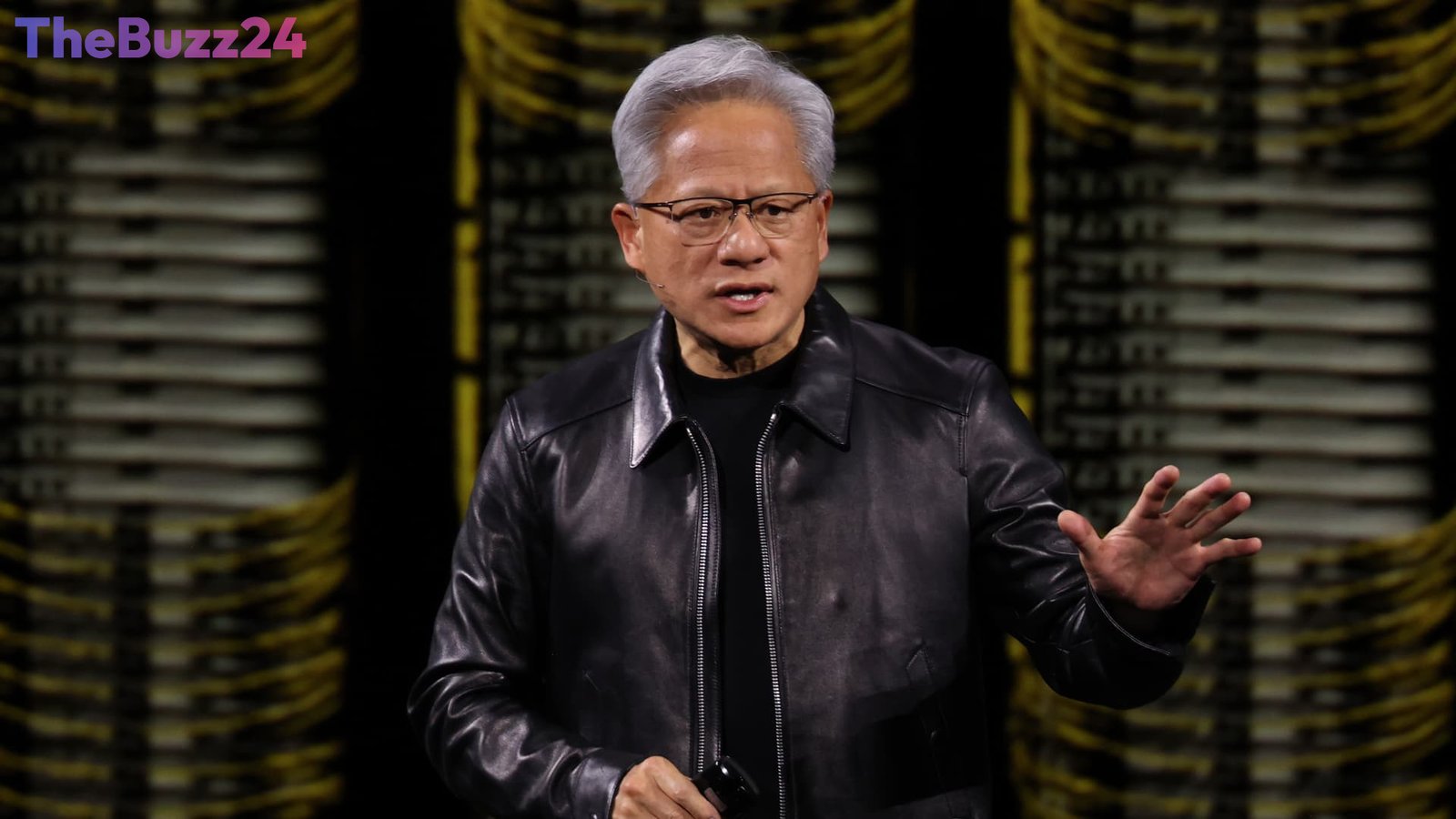
Nvidia has officially refuted claims detailed in a recent report suggesting that individuals close to CEO Jensen Huang were under surveillance by American intelligence agencies due to concerns of potential ties to Chinese intelligence. The company asserts that allegations of diversion and espionage have been thoroughly investigated and found to be without merit.
The report, which cited sources familiar with intelligence operations, focused on Alice Huang, an individual associated with Singapore-based cloud provider Megaspeed. Intelligence agencies reportedly harbored suspicions that she might be acting as a Chinese intelligence asset, potentially facilitating the transfer of sensitive information from Nvidia and its CEO to the Chinese government. Concerns were heightened by the perceived proximity of Jensen Huang to former President Donald Trump.
Nvidia has countered these assertions by stating that Megaspeed is a legitimate regional cloud customer and that Jensen Huang’s interactions with its representatives are standard practice, given his engagement with thousands of clients annually. The company emphasized that customers do not gain access to proprietary trade secrets or critical national security data. Furthermore, Nvidia addressed prior allegations that Megaspeed was involved in circumventing U.S. export controls on advanced AI chips destined for China, confirming that these diversion claims were previously investigated and conclusively debunked.
The company also implied that it had not been officially briefed by U.S. government agencies regarding any perceived threats. Nvidia highlighted its commitment to cooperating with authorities and expressed confidence that any genuine concerns would be directly communicated. This situation unfolds as Nvidia navigates a complex geopolitical landscape, balancing the immense demand for its AI technology with U.S. national security interests and economic competition with China. The company has previously had to manage the fallout from U.S. export restrictions on its high-end AI chips to China, which has led to significant financial write-offs.
Key Takeaways
- Nvidia denies reports of intelligence surveillance on an associate of CEO Jensen Huang, citing debunked diversion allegations.
- The company states that its interactions with Singapore-based cloud provider Megaspeed are routine customer engagements.
- Nvidia maintains that its AI chips do not pose a national security risk through its customers and addresses concerns over export controls.
Editor’s Analysis & Impact
This situation underscores the intense scrutiny Nvidia faces as a leading provider of AI technology amidst U.S.-China geopolitical tensions. The company’s robust denial suggests a confidence in its compliance and customer vetting processes. However, the persistent allegations highlight the delicate balance Nvidia must maintain between serving a global market and adhering to U.S. export regulations aimed at preventing advanced technology from falling into the hands of geopolitical rivals. The market will be watching closely for any further developments or official statements from U.S. intelligence agencies, as such claims, even if refuted, can impact investor confidence and corporate reputation in the highly competitive AI sector.
Frequently Asked Questions
Q: What specific allegations did Nvidia refute?
A: Nvidia refuted reports suggesting that an associate of CEO Jensen Huang was under surveillance by U.S. intelligence agencies due to suspected ties to Chinese intelligence, and also denied allegations that its customer Megaspeed was involved in evading U.S. export controls on AI chips.
Q: What is Nvidia's stance on its customer Megaspeed?
A: Nvidia stated that Megaspeed is a legitimate regional cloud customer and that interactions with its representatives are normal business practices. The company also confirmed that previous allegations of export control evasion by Megaspeed were investigated and debunked.
Q: How does this situation relate to U.S.-China relations?
A: The situation highlights the geopolitical complexities surrounding advanced AI technology. Nvidia's AI chips are crucial for AI development but are also subject to U.S. export controls aimed at limiting China's access to such technology, creating a challenging environment for the company.
AI Disclosure: This article is based on verified data and official reports. Our Team and AI have cross-referenced every financial detail with primary sources to ensure total accuracy.
More from this Category