Canada’s Rocky Mountain Rescue Dogs Axed, Sparking Public Outcry
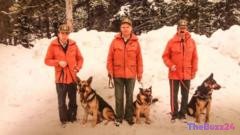
Parks Canada has announced the discontinuation of its long-standing canine search and rescue program in the Rocky Mountains, a move that has ignited significant public backlash. The decision, which eliminates the sole handler position in Banff National Park, comes as part of broader government funding cuts impacting public services. This program, which has operated for 55 years, utilized highly trained dogs to locate lost individuals, assist in avalanche rescues, and even aid in criminal investigations.
Former dog handlers and local officials have voiced strong opposition to the decision, emphasizing the invaluable role these animals played in ensuring public safety in one of Canada’s most challenging and visited natural landscapes. Scott Ward, a retired handler with 17 years of experience, highlighted the dogs’ effectiveness in saving lives and reducing risks for human rescuers, particularly in avalanche scenarios where time is critical and secondary hazards are a concern. The program’s effectiveness is underscored by the achievements of Leroy, the last dog in the program, who assisted in tracking 156 people, finding 57 lost individuals, and contributing to two murder investigations during his seven years of service.
Despite assurances from Parks Canada that search and rescue operations will continue through other means and that the move is part of modernizing its law enforcement branch, critics argue that the elimination of this specialized resource poses a significant risk. A petition launched by local Member of Parliament William Stevenson to reinstate the program has garnered over 5,000 signatures, reflecting widespread public concern. Stevenson has called the cut a “bad choice” and plans to continue advocating for its restoration, seeking a meeting with the CEO of Parks Canada.
The government, represented by parliamentary secretary for finance Ryan Turnball, has stated its commitment to deficit reduction and ensuring public funds support growth and well-being. However, the debate highlights a tension between fiscal austerity and the preservation of essential safety services in remote and hazardous environments. The sentiment among many, echoed by Ward’s recollection of a former park warden’s words, is that the unique capabilities of a trained rescue dog cannot be replicated by other methods.
Key Takeaways
- Parks Canada has ended its 55-year-old canine search and rescue program in the Rocky Mountains, eliminating the sole handler position in Banff National Park.
- The decision, part of government budget cuts, has sparked public outrage and a petition signed by thousands, with critics citing risks to public safety.
- Former handlers and officials emphasize the unique and life-saving capabilities of trained rescue dogs in challenging mountain environments.
Editor’s Analysis & Impact
The termination of Parks Canada’s canine search and rescue program represents a significant shift in how the agency approaches safety in the rugged Canadian Rockies. While framed as a modernization effort and a cost-saving measure amidst broader budget cuts, the move has ignited a passionate debate about the value of specialized, long-standing safety resources versus fiscal prudence. The public outcry and the swift mobilization of a petition suggest a deep-seated public appreciation for the unique capabilities of these animals. This incident could prompt a wider discussion across public service sectors about the potential unintended consequences of budget cuts on critical, albeit niche, safety operations, and may lead to increased scrutiny of similar decisions in other areas.
Frequently Asked Questions
Q: Why has Parks Canada stopped using rescue dogs?
A: Parks Canada stated that the discontinuation of the canine search and rescue program is part of its efforts to modernize its law enforcement branch and is a result of broader government funding cuts to public services.
Q: What was the role of these rescue dogs?
A: For 55 years, these dogs were trained to locate lost individuals, assist in avalanche rescues by searching for people buried in snow, and even helped in solving criminal cases. They were considered a vital resource for public and staff safety in the vast and challenging terrain of the Canadian Rocky Mountains.
Q: What has been the public reaction to this decision?
A: The decision has caused significant public outrage. A petition to reinstate the program quickly gathered over 5,000 signatures, and local officials have voiced strong opposition, arguing that the cut jeopardizes public safety.
AI Disclosure: This article is based on verified data and official reports. Our Team and AI have cross-referenced every financial detail with primary sources to ensure total accuracy.
More from this Category