Cambridge Scientist Among 69 Dead in Devastating Spanish Rail Disaster
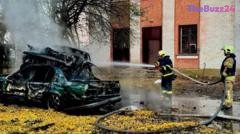
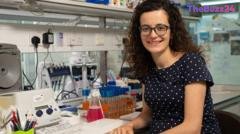
A prominent University of Cambridge researcher, Dr. Marta Shahbazi, tragically died in a catastrophic train crash in Spain while en route to receive a prestigious award for her scientific contributions. The accident, which claimed 69 lives, occurred near Urda, south of Madrid, marking one of Europe’s most severe rail incidents in recent history.
Dr. Shahbazi, a mother of two, was an affiliate associate professor and led a research group at the MRC Laboratory of Molecular Biology (LMB) in Cambridge. Her groundbreaking work focused on human embryos and cell biology, particularly shedding light on the earliest stages of human development and the causes of failed pregnancies. She was slated to accept an award from the Spanish Society for Developmental Biology at a conference in Andalusia, recognizing her significant impact on the field.
Both the LMB and the University of Cambridge’s Stem Cell Institute (CSCI), where she also held roles, expressed profound shock and sorrow at her passing. Colleagues paid tribute to her as an “inspiring, talented, and passionate scientist” and a revered role model, particularly for her ability to balance a demanding career with family life, a balance she eloquently described as a “mother scientist.”
The collision involved a state-operated Renfe high-speed train striking the rear of a stationary train operated by the Iryo company. With over 540 people on board the two trains, the disaster prompted Spain to declare three days of national mourning, underscoring the immense scale of the tragedy and its deep impact on the nation.
Key Takeaways
- Dr. Marta Shahbazi, a leading University of Cambridge scientist, died in a Spanish train crash while traveling to receive a scientific award.
- The collision near Madrid resulted in 69 fatalities and involved a Renfe high-speed train hitting a stationary Iryo train, becoming one of Europe's worst modern rail disasters.
- Dr. Shahbazi was highly regarded for her pioneering research in human embryo and cell biology, with her death representing a significant loss to the scientific community.
Editor’s Analysis & Impact
The tragic death of Dr. Marta Shahbazi in the Spanish rail disaster casts a somber light on both the scientific community and the global transportation industry. For the rail sector, this incident will undoubtedly trigger intense scrutiny of safety protocols, signaling systems, and operational procedures, particularly concerning high-speed and mixed-traffic lines. Companies like Renfe and Iryo face significant reputational and potentially financial repercussions, which could lead to increased investment in advanced safety technologies and more stringent regulatory oversight across Europe. Beyond the immediate impact on rail, the loss of a scientist of Dr. Shahbazi’s caliber is a profound blow to developmental biology. Her contributions to understanding early human development were invaluable, and her absence will be deeply felt in ongoing research efforts, highlighting the broader societal cost of such unforeseen tragedies.
Frequently Asked Questions
Q: Who was Dr. Marta Shahbazi?
A: Dr. Marta Shahbazi was an award-winning researcher at the University of Cambridge's MRC Laboratory of Molecular Biology and Stem Cell Institute, renowned for her pioneering work on human embryos and cell biology.
Q: What caused the Spanish train crash?
A: The crash occurred when a state-operated Renfe high-speed train collided with the back of a stationary train operated by the Iryo company near Urda, south of Madrid.
Q: What was the scale of the disaster?
A: The collision resulted in 69 fatalities and involved over 540 passengers across both trains, leading to three days of national mourning in Spain and being recognized as one of Europe's worst modern rail disasters.
AI Disclosure: This article is based on verified data and official reports. Our Team and AI have cross-referenced every financial detail with primary sources to ensure total accuracy.
More from this Category