Northrop Grumman Cargo Ship Set for November Launch to ISS with Crucial Science Experiments
NASA is preparing for its 25th resupply mission to the International Space Station (ISS), with the Northrop Grumman Cygnus XL cargo spacecraft scheduled to launch in November. The mission, designated NASA’s Northrop Grumman Commercial Resupply Services 25 (CRS-25), will lift off from Cape Canaveral Space Force Station in Florida. Liftoff is targeted for no earlier than 10:49 a.m. EST on Sunday, November 29, aboard a SpaceX Falcon 9 rocket.
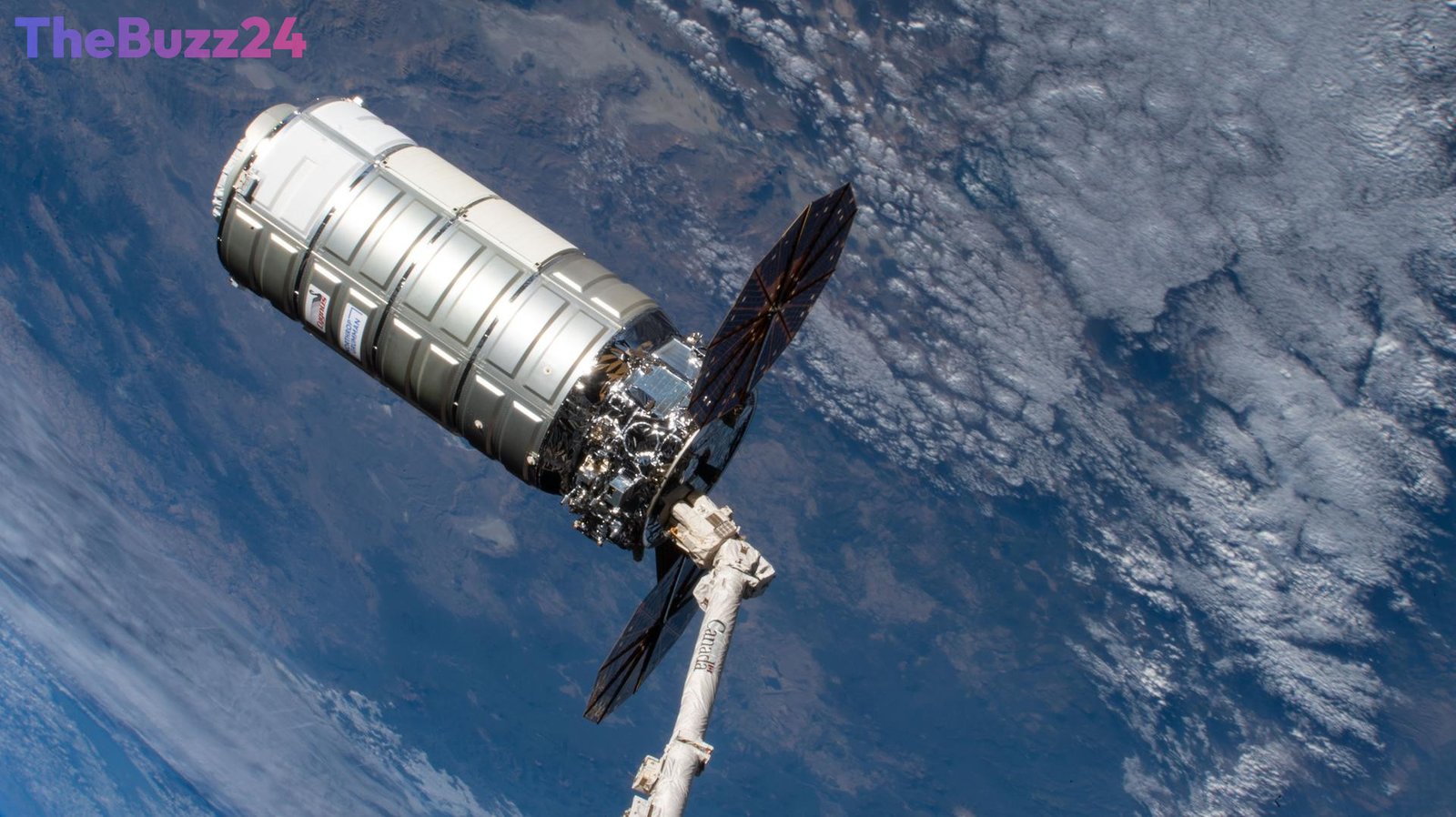
Upon arrival at the orbital laboratory, astronauts will utilize the Canadarm2 robotic arm to capture the Cygnus spacecraft and attach it to the Unity module. The spacecraft is expected to remain docked for approximately six months, serving as a vital delivery system for essential supplies, equipment, and groundbreaking scientific investigations. This marks Northrop Grumman’s 25th mission under NASA’s Commercial Resupply Services contract, underscoring a sustained partnership in maintaining the station’s operational capabilities.
The cargo carried by Cygnus includes a diverse array of experiments designed to advance scientific understanding and technological development. Among these are hardware for creating DNA-inspired particles in space, potentially revolutionizing drug delivery for conditions like cancer and osteoarthritis, and a study aimed at predicting cancer metastasis. Additionally, the mission will transport human muscle cells and medications to research therapeutics for muscle loss, a common issue in spaceflight and aging on Earth. A compact radiation sensor is also included to enhance crew safety for future deep space endeavors.
These resupply missions are critical for sustaining the ISS as a unique platform for scientific research across various disciplines, including biology, biotechnology, Earth and space science, and physical sciences. The continuous flow of cargo from U.S. commercial partners ensures the station’s ability to conduct cutting-edge investigations, supporting NASA’s broader objectives, including its Artemis program and future Mars missions, while fostering a robust low Earth orbit economy.
Key Takeaways
- Northrop Grumman's Cygnus XL spacecraft is set for its 25th resupply mission to the ISS in late November.
- The mission will deliver critical science experiments, including research on cancer treatment, drug delivery, and muscle loss.
- The launch highlights the ongoing partnership between NASA and commercial companies to support space station operations and future exploration.
Editor’s Analysis & Impact
This upcoming resupply mission underscores the vital role of commercial partnerships in sustaining long-duration spaceflight and advancing scientific research aboard the ISS. The diverse payload, focusing on critical areas like cancer treatment and human health in space, demonstrates the station’s continued importance as a unique laboratory. As NASA pivots resources towards deep space exploration with programs like Artemis, the reliable cargo delivery by companies like Northrop Grumman is essential for maintaining its low Earth orbit presence and fostering a commercial space economy. The success of these missions directly impacts the pace of scientific discovery and the development of technologies crucial for future human endeavors beyond Earth.
Frequently Asked Questions
Q: What is the primary purpose of the Northrop Grumman CRS-25 mission?
A: The primary purpose of the CRS-25 mission is to deliver scientific investigations, essential supplies, and equipment to the International Space Station (ISS) for the crew and ongoing research.
Q: What types of scientific experiments will be on board the Cygnus spacecraft?
A: The mission will carry experiments focused on areas such as creating DNA-inspired particles for drug delivery, predicting cancer spread, testing therapeutics for muscle loss, and a radiation sensor for crew safety.
Q: When and where will the CRS-25 mission launch?
A: The launch is targeted for no earlier than 10:49 a.m. EST on Sunday, November 29, from Space Launch Complex 40 at Cape Canaveral Space Force Station in Florida, aboard a SpaceX Falcon 9 rocket.
AI Disclosure: This article is based on verified data and official reports. Our Team and AI have cross-referenced every financial detail with primary sources to ensure total accuracy.
More from this Category