Stargazing Spectacular: November 2026 Brings Meteor Showers, Planetary Conjunctions, and a Supermoon
Astronomy enthusiasts have a thrilling month ahead as November 2026 unfolds a series of remarkable celestial events, ranging from active meteor showers to rare planetary alignments and the first in a trio of consecutive supermoons. Observers equipped with patience and clear skies will find plenty of reasons to step outside and look upward during the long autumn nights.
The celestial calendar kicks off with the Taurid meteor showers, divided into the Southern and Northern branches peaking around November 5 and November 12, respectively. While these showers typically yield a modest five meteors per hour under optimal viewing conditions, they are famously known for producing occasional, brilliant fireballs that can dazzle unsuspecting stargazers. Later in the month, the Leonids take center stage, reaching their peak during the predawn hours of November 17 and 18. Following moonset, viewers might catch up to 15 shooting stars per hour.
Mid-month brings an eye-catching planetary pairing before sunrise on November 15 and 16. Mars and Jupiter will appear just 1.2 degrees apart—roughly the width of two full moons—low in the southeastern sky. The brilliant, steady glow of Jupiter will easily contrast with the distinct reddish tint of Mars, offering an effortless target for unaided eyes over several consecutive mornings.
Beyond our local planetary neighborhood, deep space exploration achieves a monumental milestone this November. The historic Voyager 1 spacecraft is set to become the first human-made object to reach a distance of one light-day from Earth. This means radio signals traveling at the absolute speed of light now require a full 24 hours to reach the probe, and another 24 hours for a response to return. Space fans can look toward the constellation Ophiuchus to visualize the distant location of the spacecraft.
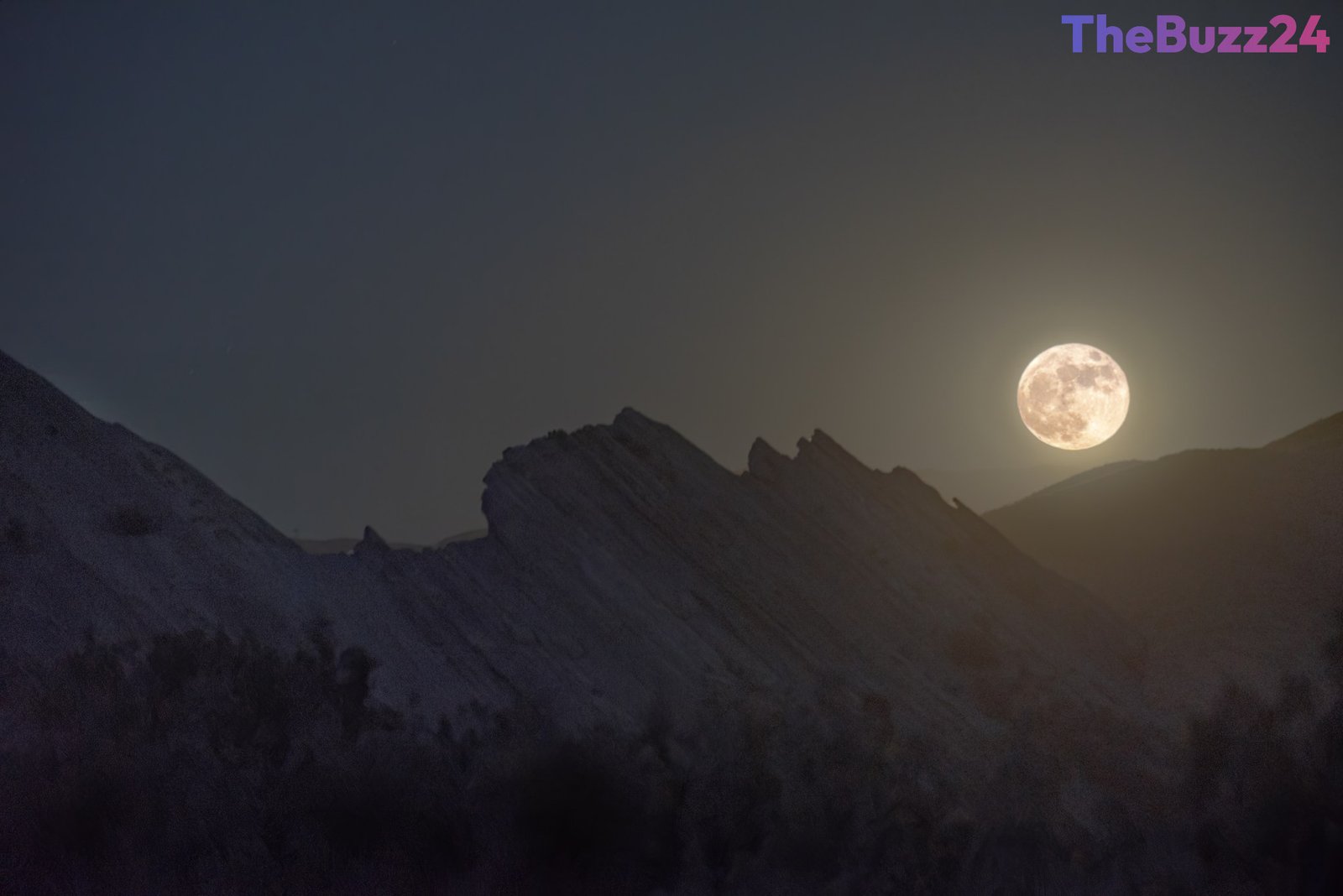
Finally, the month closes with lunar brilliance on November 24, as the first of three consecutive supermoons lights up the evening sky. Because the Moon’s elliptical orbit brings it closer to Earth during this phase, the lunar disk will appear slightly larger and brighter than a standard full moon, offering a breathtaking view as it rises in the east just around sunset.
Key Takeaways
- The Taurid meteor showers peak in early November, offering potential sightings of brilliant fireballs, followed by the Leonids mid-month.
- Mars and Jupiter will stage a close conjunction on the mornings of November 15 and 16, appearing just 1.2 degrees apart in the southeastern sky.
- Voyager 1 will reach a staggering milestone of one light-day distance from Earth, marking a historic achievement for human engineering.
Editor’s Analysis & Impact
The convergence of multiple high-visibility astronomical events in November 2026 provides a powerful catalyst for public engagement in science and space exploration. Milestones such as Voyager 1 reaching a light-day distance underscore the enduring longevity and success of deep-space missions, bridging decades of engineering achievements with modern public interest. Meanwhile, accessible skywatching events like planetary conjunctions and supermoons continue to drive amateur astronomy participation, fostering a broader appreciation for aerospace science, STEM education, and observational astronomy worldwide.
Frequently Asked Questions
Q: When are the best times to view the Leonid meteor shower in November 2026?
A: The best viewing times for the Leonids are during the early morning hours of November 17 and 18, specifically after the Moon sets and before dawn, when rates can reach up to 15 meteors per hour under ideal conditions.
Q: How far away is Voyager 1 in terms of light-travel time?
A: Voyager 1 is reaching a distance of one light-day from Earth, meaning radio communication signals take 24 hours to reach the spacecraft and another 24 hours to return.
Q: What makes a supermoon different from a regular full moon?
A: A supermoon occurs when a full moon coincides with the Moon's closest approach to Earth in its elliptical orbit, making it appear slightly larger and brighter than an average full moon.
AI Disclosure: This article is based on verified data and official reports. Our Team and AI have cross-referenced every financial detail with primary sources to ensure total accuracy.
More from this Category