Nvidia Leverages Chinese Robotics Innovation to Power Its Next-Gen Humanoid Platforms
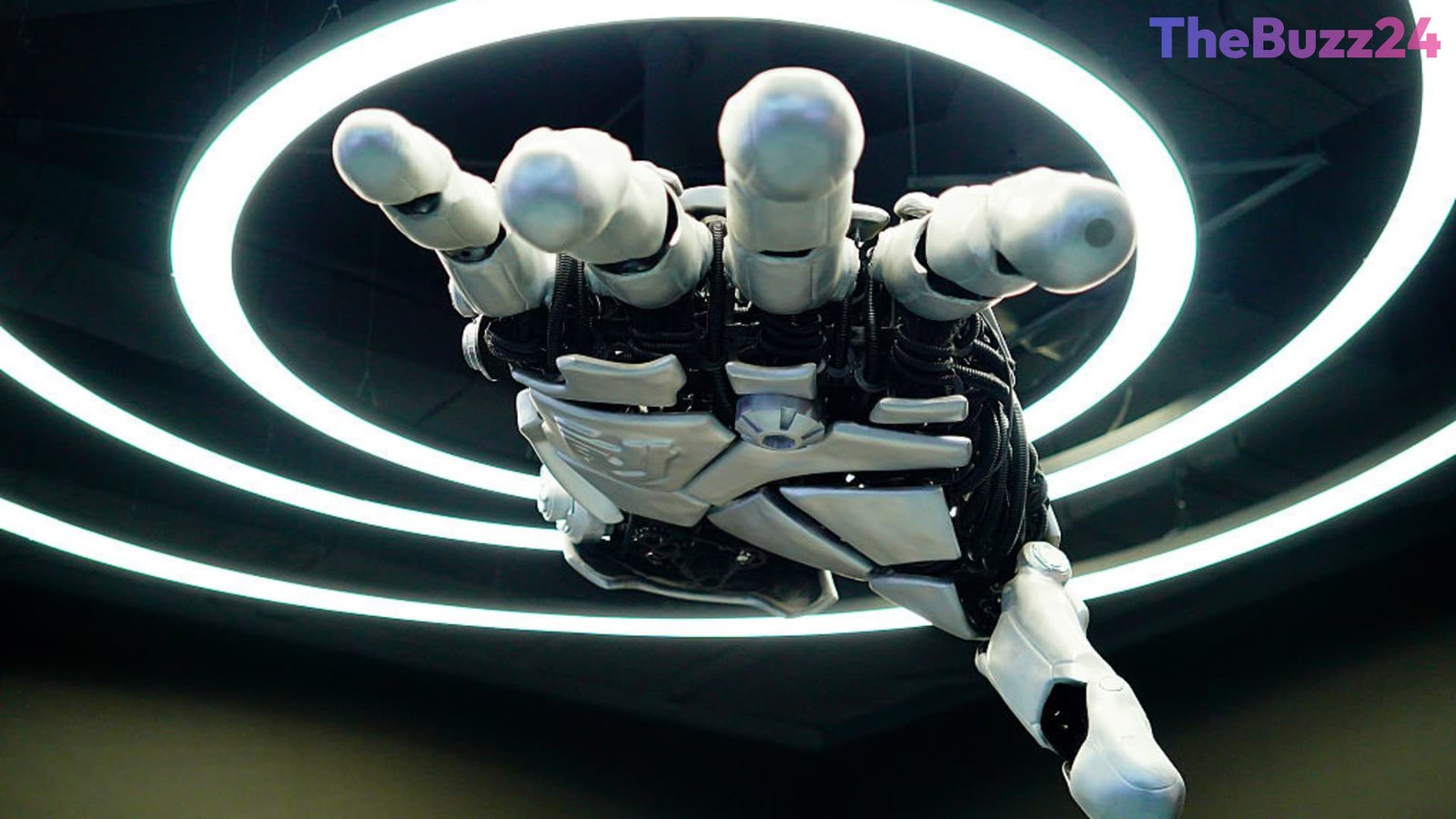
Technology giant Nvidia is increasingly turning to advanced hardware components from specialized Asian startups to drive its ambitions in humanoid robotics. The company’s latest humanoid robot reference platform integrates highly dexterous mechanical hands developed by Chinese robotics firm Wuji. Designed to accelerate artificial intelligence training, the new system combines Wuji’s fine-motor hardware with advanced computing architecture and specialized simulation software.
The adoption of Wuji technology follows an earlier reference platform introduced by Nvidia that featured mechanical hands built by Sharpa, another startup with deep manufacturing and development roots in Shanghai. Both reference platforms are engineered to serve as standardized hardware for top-tier academic and research institutions, including Stanford University and ETH Zurich, which are slated to begin testing the advanced humanoid systems to train complex robotic control models.
Developing realistic, durable, and highly capable mechanical hands remains one of the most persistent bottlenecks in the global robotics sector. While software capabilities have advanced rapidly, hardware developers continue to wrestle with balancing motor strength, weight, and thermal management inside human-scaled limbs. Industry players note that while options like Sharpa offer greater structural strength, alternatives like Wuji focus on lightweight agility suited for delicate task completion.
This trend underscores a broader movement across tech conglomerates looking to solve mechanical limits through specialized manufacturing partnerships. Consumer electronics leader Xiaomi has recently begun testing its own custom robotic hand mechanisms within car production lines, while Meta has similarly explored prototype collaborations with hardware developers like Fourier. As the race for commercial humanoid units intensifies, the intersection of Western AI software and specialized Asian hardware manufacturing is proving pivotal to overcoming core mechanical challenges.
Key Takeaways
- Nvidia is integrating specialized mechanical hands from Chinese startups Wuji and Sharpa into its advanced humanoid robot training platforms.
- Mechanical hand dexterity remains one of the primary hardware bottlenecks delaying widespread humanoid robot deployment globally.
- Major research institutions, including Stanford University and ETH Zurich, are expected to utilize these Nvidia-backed systems for robotics AI development.
Editor’s Analysis & Impact
Nvidia’s decision to incorporate Chinese-developed mechanical hands highlights a pivotal dynamic in the robotics industry: while Western firms lead in AI compute architecture and foundational software, Chinese innovation hubs hold a clear edge in physical component manufacturing and micro-mechanisms. Fine-motor manipulation has long been the primary hardware hurdle for general-purpose humanoids. Crafting compact actuators capable of mimicking human grip without overheating demands specialized supply chains. As global leaders like Nvidia, Meta, and Xiaomi push to bring general-purpose robots from research labs to industrial floors, cross-border hardware integration will remain essential despite broader trade tensions.
Frequently Asked Questions
Q: Why are mechanical hands considered the hardest part of humanoid robot development?
A: Robotic hands require integrating complex sensor arrays, fine-motor control, and high structural strength into extremely small physical spaces while managing heat and weight constraints.
Q: Which organizations will be using Nvidia's humanoid reference systems?
A: Prominent research institutions, including Stanford University and ETH Zurich, are scheduled to receive these hardware platforms to train next-generation AI robotics models.
Q: What role does Nvidia play in these humanoid robotics projects?
A: Nvidia provides the core computing hardware (such as Jetson Thor) and AI training software (Isaac platform) that power the decision-making capabilities of the physical robot bodies.
AI Disclosure: This article is based on verified data and official reports. Our Team and AI have cross-referenced every financial detail with primary sources to ensure total accuracy.
More from this Category