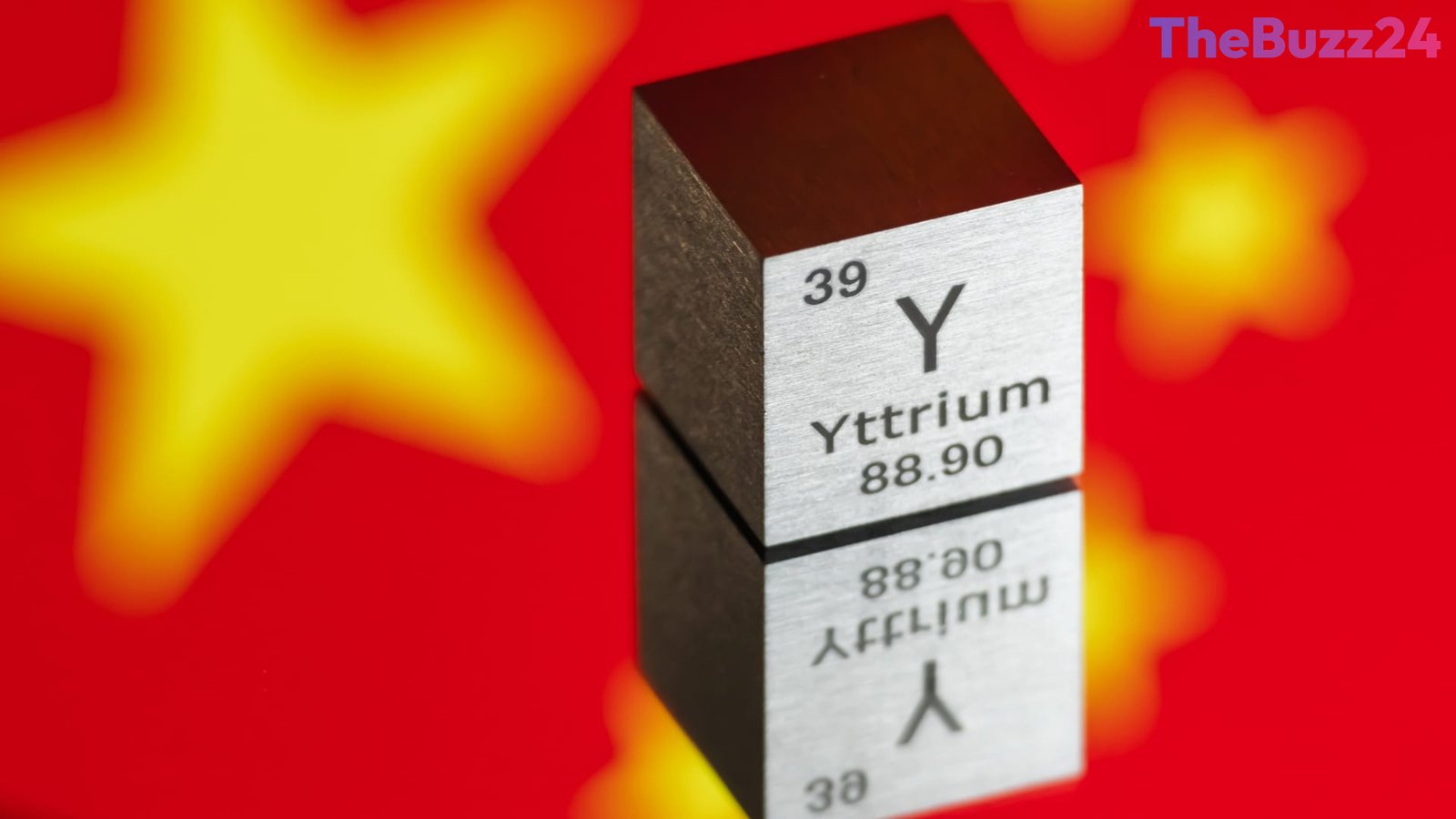
China Mobilizes State Power to Tighten Global Grip on Critical Minerals
Beijing is aggressively ramping up its strategy to secure overseas mining assets, deploying a coordinated state-led apparatus to cement its dominance over the supply chains of critical minerals. By orchestrating outbound investments through specialized state-owned bureaus and dedicated financial vehicles, the nation aims to eliminate internal competition among domestic firms and project formidable leverage across international markets. This centralized approach targets vital resources essential for advanced manufacturing, including electric vehicle batteries, semiconductors, and aerospace components.
Recent financial data highlights the acceleration of this strategy, with outbound mineral acquisitions surging to $8.8 billion within the first three quarters of a single year, marking the highest annual total in years. While historical investments focused heavily on securing lithium, nickel, and cobalt during the initial electric vehicle boom, current initiatives cast a wider net to encompass precious metals like gold and industrial essentials like copper and iron ore. Beijing views import dependencies exceeding strict thresholds as national security vulnerabilities, prompting a relentless pursuit of global reserves regardless of traditional commercial risk assessments.
However, this aggressive expansion encounters mounting pushback from resource-rich host nations determined to capture more economic value locally. Governments globally are increasingly implementing export bans on raw, unprocessed ores and mandating domestic refining. In response, state-backed enterprises are evolving their tactics by establishing local smelting and processing infrastructure directly within foreign jurisdictions. Because China already maintains a near-monopoly on global rare earth separation and refining capacity, these localized adaptations allow Beijing to maintain its stronghold over critical processing bottlenecks while navigating complex geopolitical headwinds.
Key Takeaways
- China is deploying a centralized, state-coordinated strategy to dramatically increase its ownership stakes in global mines over the next five years.
- Outbound mineral acquisitions have surged to multi-year highs, driven by national security constraints on imports of copper, lithium, nickel, and other essential elements.
- Resource-rich nations are pushing back by demanding local processing, prompting Chinese firms to adapt by building smelting facilities directly inside host countries.
Editor’s Analysis & Impact
The aggressive centralization of China’s overseas mining strategy marks a pivotal shift in the global geopolitical and economic landscape. By replacing fragmented, firm-level decisions with state-coordinated investments, Beijing is systematically fortifying its control over the entire lifecycle of critical minerals—from extraction to refining. This consolidation poses significant strategic challenges for Western economies and emerging industrial competitors like India and Saudi Arabia, all of which are racing to secure independent supply chains. While host countries are pushing back with domestic processing mandates, China’s deeply entrenched refining monopoly allows it to absorb these shifts and maintain immense pricing power. Over the long term, this dynamic will likely accelerate trade friction, drive heavy subsidies for non-Chinese refining infrastructure globally, and cement critical minerals as a primary arena for geopolitical leverage.
Frequently Asked Questions
Q: Why is China increasing its overseas mining investments?
A: Beijing treats high import dependence on critical minerals as a national security risk. The state-led push aims to secure reliable access to metals vital for electric vehicles, semiconductors, and jet engines while strengthening geopolitical leverage.
Q: How are resource-rich countries reacting to China's mining push?
A: Many host nations are pushing back by banning the export of unprocessed minerals and requiring foreign partners to build local refining and smelting facilities, forcing Chinese firms to adapt their investment strategies.
Q: What is China's advantage in the critical minerals supply chain?
A: China dominates the separation and refining stage, producing roughly 92% of the world's refined rare earths. This gives Beijing immense capacity to influence global market prices and control supply.
AI Disclosure: This article is based on verified data and official reports. Our Team and AI have cross-referenced every financial detail with primary sources to ensure total accuracy.
More from this Category