Tehran Interprets U.S. Midterm Shift as Public Rejection of War
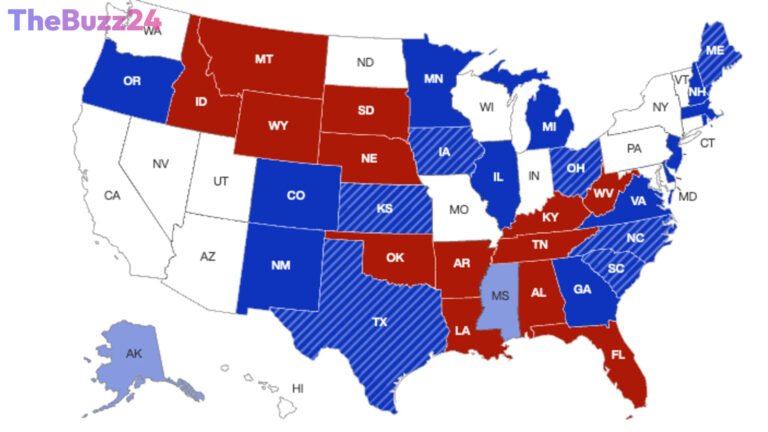
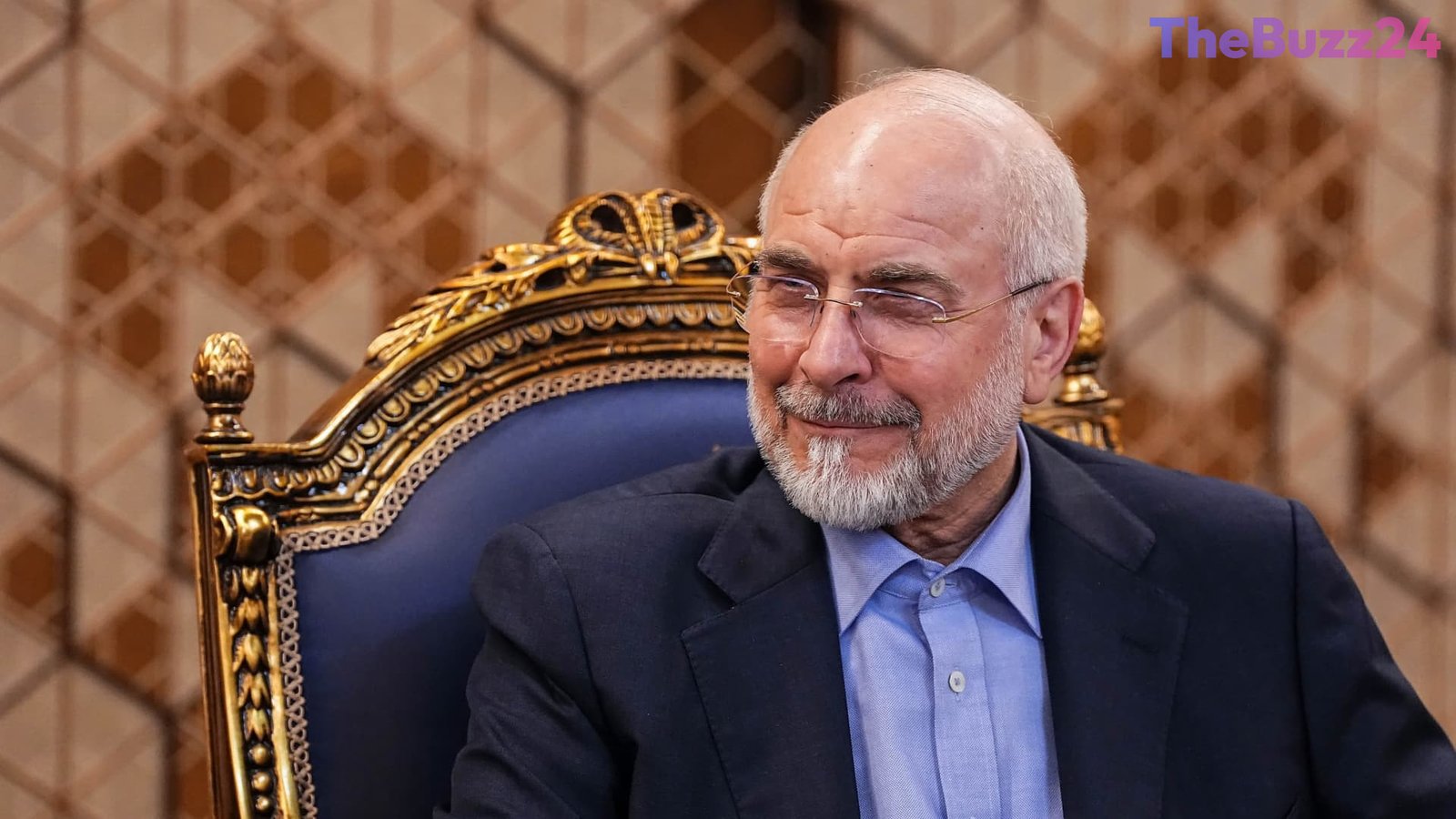
Following the U.S. midterm elections, which saw Democrats secure majorities in both chambers of Congress, Iran’s parliament speaker, Mohammad Bagher Ghalibaf, asserted that American voters had delivered a clear message: “NO TO WAR.” Ghalibaf, posting on X, suggested this sentiment stemmed either from a matter of conscience or the rising cost of living, adding that Tehran “endorse[s] this message.” This declaration comes as the U.S.-Iran conflict has been a prominent issue influencing American voters.
The ongoing tensions between the United States and Iran, particularly after joint strikes with Israel against the Islamic Republic in February, significantly shaped the midterm landscape. The conflict contributed to elevated energy prices across the U.S., fueling widespread concerns over the cost of living. Former President Donald Trump, while acknowledging the Iran conflict as a factor in Republican losses, maintained that his administration’s approach to the situation was correct, stating, “I did the right thing. I would have done it again.”
With their newly acquired majorities, Democrats in Congress are now positioned to potentially enact a binding War Powers Resolution. Such a resolution would compel the President to cease military actions against Iran unless explicitly authorized by Congress. This contrasts with previous non-binding resolutions passed when Republicans controlled both chambers. Meanwhile, Iran’s Supreme Leader, Ayatollah Mojtaba Khamenei, through his X account, intensified the rhetoric, proclaiming that “The process of the US’s collapse has accelerated.” He further warned that if the U.S. government disregards its public’s will, “our NO comes with a Nightmare,” and previously called for Iran’s armed forces to meet any threat with an “immediate, impactful, and geographically unrestricted response.” Reports also suggest the U.S. is preparing for possible renewed military actions post-midterms, adding another layer of complexity to the volatile situation.
Key Takeaways
- Iran's parliament speaker views the U.S. midterm election results, which saw Democrats gain congressional control, as a public rejection of war.
- The U.S.-Iran conflict, including February's joint strikes and rising energy prices, was a significant factor for American voters in the midterms.
- Democrats now have the power to potentially pass a binding War Powers Resolution, while Iran's Supreme Leader issues strong warnings about U.S. actions and calls for a robust response to threats.
Editor’s Analysis & Impact
The shift in U.S. congressional control introduces a new dynamic into the already volatile U.S.-Iran relationship. While the immediate market impact might be limited to continued energy price sensitivity, the long-term implications for global stability are significant. A Democratic-led Congress could exert greater legislative oversight on foreign policy, potentially pushing for de-escalation through a War Powers Resolution, which might temper aggressive military postures. However, Iran’s defiant rhetoric, particularly from its Supreme Leader, suggests a continued hardline stance, regardless of U.S. internal political shifts. This creates a complex environment where domestic political mandates (like “no to war”) clash with geopolitical realities and the potential for renewed military actions. The broader implication is a potentially more fractured U.S. foreign policy apparatus, making international engagement and conflict resolution more challenging and unpredictable.
Frequently Asked Questions
Q: What is a War Powers Resolution?
A: A War Powers Resolution is a legislative measure that, if binding, directs the U.S. President to end military conflicts unless authorized by Congress. It aims to reassert congressional authority over the deployment of U.S. armed forces.
Q: How did the U.S.-Iran conflict impact the U.S. midterm elections?
A: The conflict, particularly the February strikes and subsequent rise in energy prices, contributed to increased cost of living concerns among American voters. This economic impact, alongside broader sentiments about military engagement, was a significant factor in the Democratic sweep of Congress.
Q: What is Iran's stance on the U.S. midterm results?
A: Iran's parliament speaker interpreted the Democratic victory as a public rejection of war by American voters. The Supreme Leader's office further suggested that the U.S. system is in decline and warned against any betrayal of the public's will regarding the conflict.
AI Disclosure: This article is based on verified data and official reports. Our Team and AI have cross-referenced every financial detail with primary sources to ensure total accuracy.
More from this Category