Apple’s New AI-Powered Siri Recaps: A Breakthrough in Productivity or a Privacy Concern?
Apple has introduced a suite of advanced audio intelligence features in the latest developer beta versions of iOS 27.3 and watchOS 27.3. Designed for the Apple Watch Series 12, these tools include sound and song detection, as well as more sophisticated capabilities like ‘Live Rewind’ and ‘Siri Recaps.’ While sound detection aims to assist users by identifying environmental alerts, and song recognition leverages established technology, the latter two features represent a significant shift toward ambient, AI-driven personal assistance.
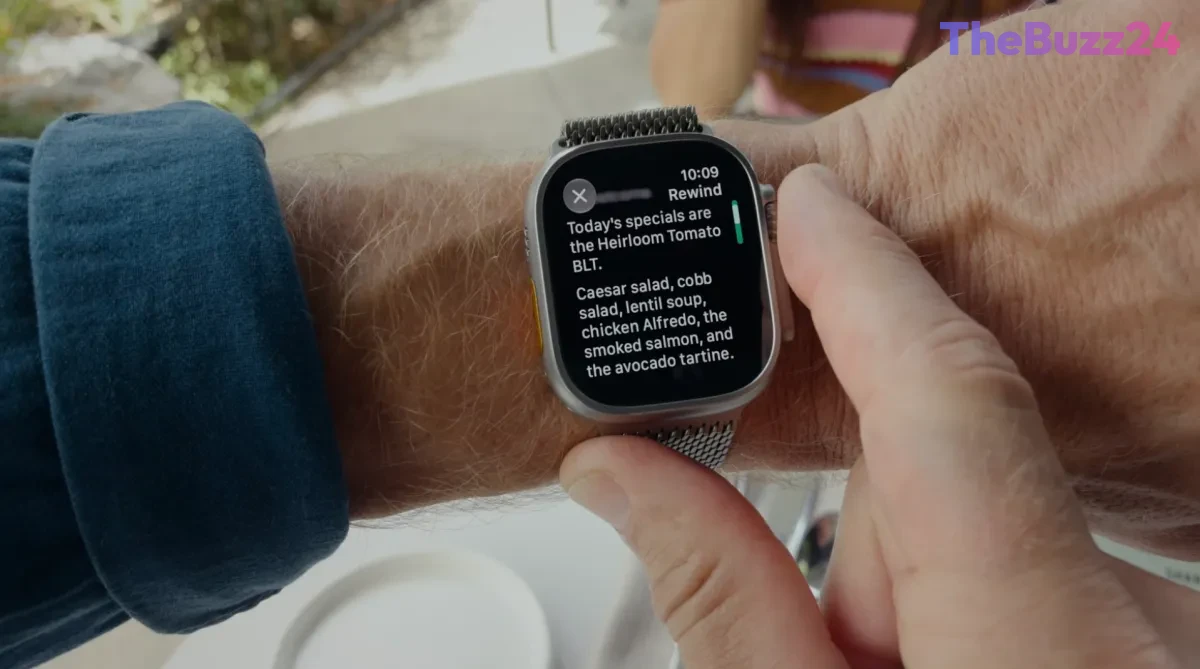
Siri Recaps and Live Rewind function by recording and transcribing audio from the user’s environment. Live Rewind allows users to revisit the previous 15 seconds of audio, while Siri Recaps provides a summarized digest of conversations throughout the day. To address potential privacy concerns, Apple has implemented on-device processing, ensuring that raw audio is not stored and that sensitive personal information is redacted. Despite these safeguards, the technology has sparked a debate regarding the normalization of ‘always-listening’ devices in private spaces.
Early testing suggests that while the technology is highly effective at capturing complex verbal information—such as repair details, pricing, and scheduling—it currently struggles with context. Users have noted that the AI often conflates professional or logistical information with casual household chatter. This leads to cluttered notes that mix essential tasks with trivial details, highlighting a need for better categorization and more granular control over what the system deems ‘worth remembering.’
Moving forward, the utility of these features will likely depend on Apple’s ability to refine the filtering process. Users are already calling for more intuitive management tools, such as the ability to easily delete individual bullet points or automatically export specific summaries to the Notes app. As this technology matures, it promises to transform how we manage daily information, provided that the balance between convenience and personal privacy remains a priority.
Key Takeaways
- Apple has launched new AI-driven audio features for the Apple Watch Series 12, including real-time transcription and conversation summarization.
- Privacy is managed through on-device processing and data redaction, though the 'always-listening' nature of the feature remains a point of contention for some users.
- While highly effective at capturing logistical data, the current iteration of Siri Recaps requires better filtering to distinguish between important tasks and casual conversation.
Editor’s Analysis & Impact
The introduction of Siri Recaps marks a pivotal moment in the evolution of wearable technology, signaling a move from reactive voice commands to proactive, ambient intelligence. By positioning the Apple Watch as a passive note-taker, Apple is attempting to solve the ‘information overload’ problem in daily life. However, the industry impact is twofold: it sets a new standard for productivity tools while simultaneously intensifying the public discourse on digital surveillance. For Apple, the challenge lies in refining the AI’s contextual awareness. If the company can successfully implement user-defined filters and better data organization, this could become a cornerstone feature for professional and personal management. Conversely, if the ‘creepiness’ factor outweighs the utility, it may face significant adoption hurdles. The long-term implication is a shift toward a more integrated, AI-assisted lifestyle where the boundary between digital memory and human conversation becomes increasingly porous.
Frequently Asked Questions
Q: How does Apple protect user privacy with these new audio features?
A: Apple processes the audio on-device whenever possible, does not store raw audio files, and automatically redacts sensitive information like government ID numbers or personal account details.
Q: Can I control what information Siri Recaps saves?
A: Currently, the system captures audio throughout the day. While you can bookmark specific recaps, users are requesting more granular controls, such as the ability to delete individual bullet points or separate personal conversations from professional notes.
AI Disclosure: This article is based on verified data and official reports. Our Team and AI have cross-referenced every financial detail with primary sources to ensure total accuracy.
More from this Category