NASA’s Inspiration Tour Empowers Next Generation of Aerospace Innovators
NASA’s ongoing Inspiration Tour is actively bridging the gap between academic research and real-world space exploration. By visiting major universities across the United States, the agency is highlighting the critical role of the NASA Space Grant program in preparing students for careers in aeronautics and space science. These stops serve as a platform for students to showcase their contributions to current agency initiatives, including the Artemis program and future lunar base development.
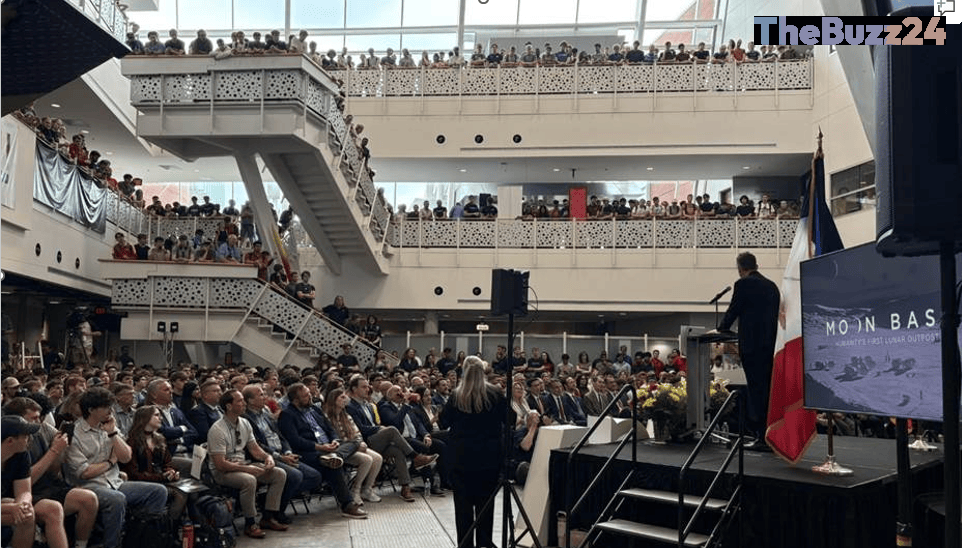
At institutions such as Iowa State University, the University of Arizona, and the University of North Dakota, students have demonstrated a wide array of technical expertise. Projects ranging from satellite communications and high-altitude ballooning to advanced spacesuit design and robotics illustrate the depth of student involvement in national space goals. These interactions provide students with direct access to agency leadership, fostering a collaborative environment where academic research directly informs the future of space exploration.
The tour emphasizes that the next generation of engineers and scientists is already making tangible progress in fields like in-situ resource utilization and satellite technology. By integrating student-led research into the broader mission of the agency, the Inspiration Tour is not only inspiring interest in STEM fields but also building a robust pipeline of talent for the evolving aerospace workforce. As the agency prepares for upcoming milestones, the contributions of these university consortia remain a cornerstone of American leadership in space.
Looking ahead, the tour is set to culminate in a public showcase known as MAX POWER. This event will further highlight the intersection of public, private, and academic innovation, reinforcing the agency’s commitment to nurturing the innovators who will lead humanity’s next giant leap into the cosmos.
Key Takeaways
- NASA’s Inspiration Tour connects university students with agency leadership to foster collaboration on critical space exploration projects.
- Space Grant consortia across the U.S. are actively contributing to research in areas like satellite technology, robotics, and lunar surface suit design.
- The initiative aims to build a sustainable workforce pipeline by engaging students in hands-on research that supports the Artemis program and future lunar missions.
Editor’s Analysis & Impact
The Inspiration Tour represents a strategic shift in how aerospace agencies cultivate human capital. By decentralizing innovation and embedding it within university labs, the agency is effectively crowdsourcing solutions for complex engineering challenges while simultaneously addressing the looming talent gap in the aerospace sector. This model of ‘academic-agency’ integration ensures that research is not siloed but is instead applied directly to mission-critical objectives. As the industry moves toward a more commercialized space economy, the ability to rapidly integrate student-led research into professional workflows will be a significant competitive advantage. The long-term implication is a more agile, diverse, and technically proficient workforce capable of supporting the ambitious goals of the Artemis program and beyond, ultimately securing a sustainable future for deep-space exploration.
Frequently Asked Questions
Q: What is the primary goal of NASA’s Inspiration Tour?
A: The tour aims to connect the public, industry, and academia with NASA’s current technologies and missions, while inspiring the next generation of students to pursue careers in aerospace and STEM fields.
Q: How do university students contribute to NASA missions?
A: Through programs like the NASA Space Grant, students conduct research on projects such as satellite development, robotics, spacesuit design, and biological studies, which are then shared with agency experts to support ongoing missions like Artemis.
AI Disclosure: This article is based on verified data and official reports. Our Team and AI have cross-referenced every financial detail with primary sources to ensure total accuracy.
More from this Category