Debt Ceiling Showdown Looms: Democrats Poised to Challenge Trump, Markets on Edge
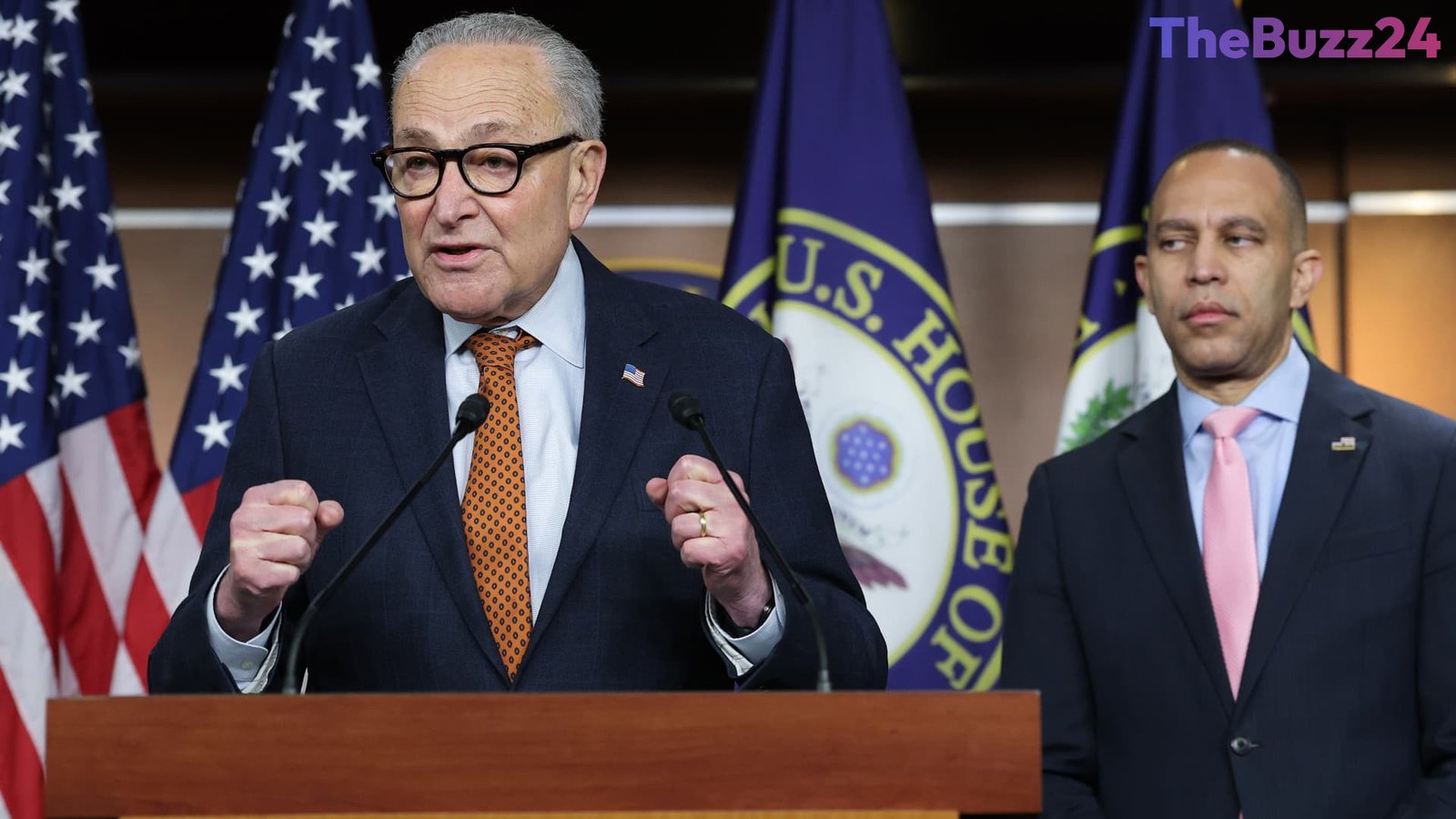
The United States is heading towards a significant fiscal confrontation as the Treasury Department anticipates reaching its borrowing limit by 2027. Following recent electoral successes, Democrats in Congress are reportedly preparing to leverage this critical deadline to extract policy concessions from President Donald Trump, setting the stage for a potentially turbulent period for financial markets.
Unlike previous debt ceiling standoffs where Republican majorities often pushed for spending cuts from Democratic administrations, the dynamic has shifted. With newfound legislative strength, Democrats are expected to pursue reversals of 2025 Medicaid and other healthcare cuts, limitations on military engagements like the conflict with Iran, or the rollback of certain tariffs. Some analysts also suggest the possibility of tying a debt limit increase to a rise in the corporate tax rate, an area where President Trump has shown past flexibility.
The debt ceiling, a unique aspect of the U.S. budgeting process, restricts the government from borrowing funds already authorized for expenditure. While the U.S. has historically avoided a full default, prolonged brinkmanship around this issue has previously led to credit rating downgrades and significant market unease. A failure to raise the limit could trigger chaotic repercussions across the global financial system, jeopardizing trillions in Treasury securities and potentially plunging economies into a severe downturn.
Financial experts widely anticipate that despite the high stakes and likely volatility, a compromise will ultimately be reached to avert a catastrophic default. However, the path to resolution is expected to be contentious. Observers note that the current political landscape, with Democrats holding significant leverage, makes an outcome involving increased government spending or policy reversals more probable than the spending cuts seen in past negotiations. The intensity of this impending fiscal battle could rival previous government shutdowns, with potential for further downgrades to U.S. sovereign debt and negative reactions in equity markets if the standoff extends too close to the “X-date.”
Key Takeaways
- Democrats plan to use the 2027 debt ceiling deadline to force policy concessions from President Trump, including reversing healthcare cuts and rolling back tariffs.
- This confrontation is expected to create significant volatility in Treasury and equity markets, with risks of U.S. debt downgrades if a resolution is delayed.
- Unlike past standoffs, Democrats' leverage suggests the outcome is more likely to involve increased government spending or policy reversals rather than budget cuts.
Editor’s Analysis & Impact
The impending debt ceiling confrontation represents a critical juncture for U.S. fiscal policy and financial markets. The shift in leverage to Democrats signals a departure from past negotiations, likely leading to demands for increased government spending and policy reversals rather than austerity. This dynamic will undoubtedly inject significant volatility into Treasury markets, potentially driving up borrowing costs and risking further downgrades to U.S. sovereign debt. For industries, particularly healthcare and those affected by trade tariffs, the outcome could dictate significant operational shifts. While a catastrophic default is widely considered unlikely, the prolonged uncertainty and political brinkmanship could erode investor confidence and have broader implications for global financial stability, given the centrality of U.S. Treasuries to the world economy. Businesses and investors should brace for a period of heightened uncertainty and potential policy shifts.
Frequently Asked Questions
Q: What is the debt ceiling?
A: The debt ceiling is a legal limit on the total amount of money the U.S. government can borrow to meet its existing legal obligations, such as Social Security and Medicare benefits, military salaries, interest on the national debt, and tax refunds.
Q: Why is the upcoming debt ceiling debate different?
A: Unlike previous confrontations where Republican majorities often sought spending cuts from Democratic presidents, the current dynamic sees Democrats holding leverage. They are expected to use the deadline to push for policy reversals, such as restoring healthcare spending or rolling back tariffs, potentially leading to increased government spending.
Q: What are the potential consequences if the debt ceiling is not raised?
A: A failure to raise the debt ceiling could lead to the U.S. government defaulting on its obligations, which would have severe and chaotic repercussions. This includes a potential global financial crisis, a sharp increase in borrowing costs for the U.S. government, a downgrade of U.S. credit ratings, and significant negative impacts on equity markets and the broader economy.
AI Disclosure: This article is based on verified data and official reports. Our Team and AI have cross-referenced every financial detail with primary sources to ensure total accuracy.
More from this Category