Voters Deliver Major Setback to Data Center Expansion in 2026 Midterms
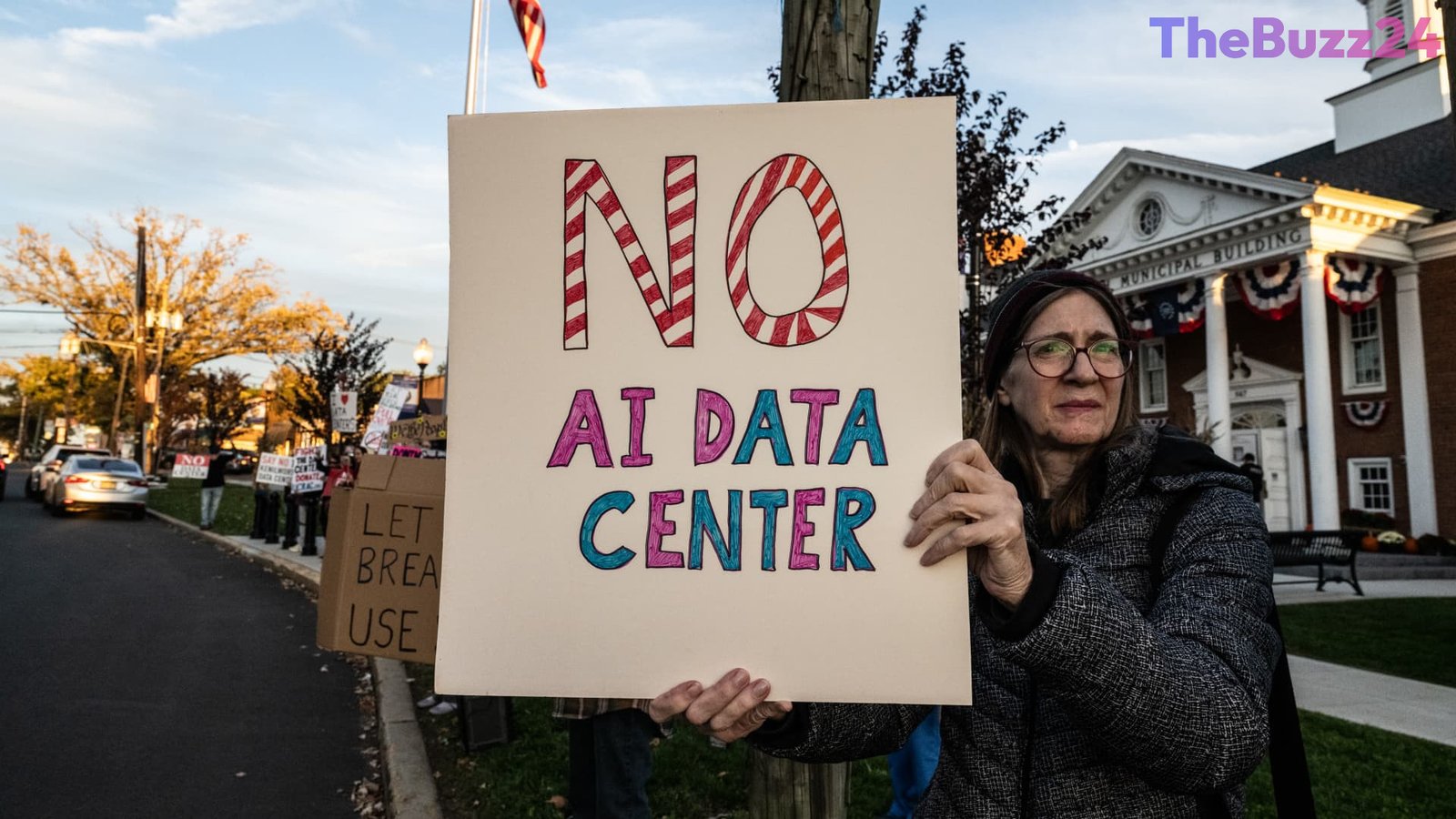
The 2026 midterm elections saw a significant public pushback against the rapid expansion of data centers, with voters in ten states largely rejecting or imposing restrictions on new developments. Out of 41 local ballot measures concerning data centers, only one in Harwood, North Dakota, saw voters decline to add further review of industrial projects. This widespread sentiment signals a growing political risk for the ambitious buildout of artificial intelligence infrastructure across the nation.
Ohio emerged as a key battleground, hosting more than half of the ballot measures. The issue also influenced high-profile political contests, including the Senate race where Democrat Sherrod Brown unseated Republican Sen. Jon Husted, who was characterized as a proponent of data center development. Furthermore, the state’s top office flipped to Democrat Amy Acton, a physician who campaigned on a “conditional moratorium” for data centers. Acton advocates for policies ensuring these facilities cover 100% of their utility costs and exclusively utilize union labor. This shift in Ohio’s political landscape could impact major projects, such as OpenAI’s planned 8-gigawatt AI data center campus, developed in partnership with SoftBank, SB Energy, and backed by Nvidia, which is slated to begin construction soon.
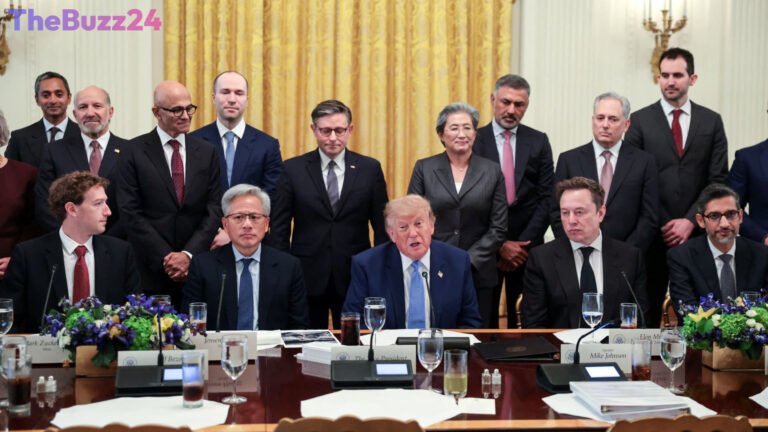
The voter backlash extended beyond Ohio, influencing critical races in states like Texas, Wisconsin, and Georgia. In Texas, Democrat Gina Hinojosa successfully unseated Gov. Greg Abbott, criticizing his administration’s support for the rapid proliferation of data centers. This public sentiment materialized despite substantial financial investments from Silicon Valley to shape the midterm outcomes, with figures like Elon Musk contributing hundreds of millions, particularly in Texas, only to see losses in key races. Musk himself commented on the results, suggesting “Data centers in space looking pretty appealing right now.”
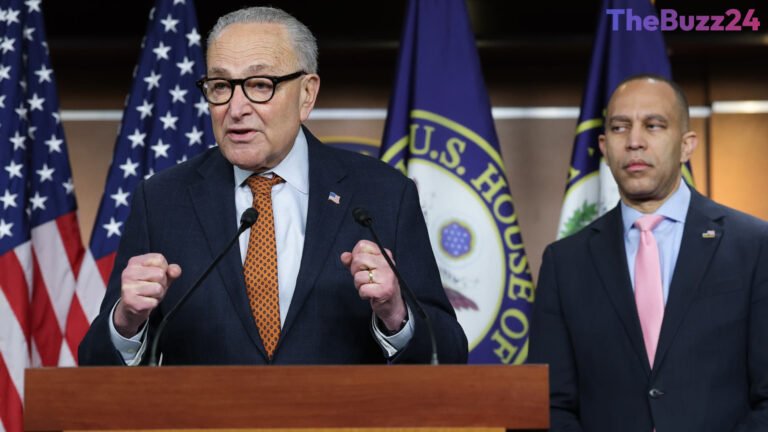
The election results have quickly prompted calls for increased accountability from the AI industry. Rep. Greg Casar, chair of the Congressional Progressive Caucus, urged AI executives to testify under oath, emphasizing the need to protect American jobs and lives from what he termed “AI billionaires.” He also warned Democrats against accepting financial contributions from the tech industry, arguing that voters had rejected such influence. Rep. Robert Garcia, presumptive next chair of the House Oversight Committee, succinctly advised the industry to “Lawyer up,” indicating a tougher regulatory environment ahead. This widespread resistance suggests that the “revolt against data centers” is merely the initial tremor of a much larger political reckoning for the AI sector.
Key Takeaways
- Voters overwhelmingly rejected or restricted data center development in 40 out of 41 local ballot measures across 10 states during the 2026 midterms.
- The public backlash influenced key political races, with Democrats campaigning on data center regulation winning significant victories in states like Ohio and Texas.
- The election results signal increased political risk and potential regulatory hurdles for the tech industry's ambitious AI infrastructure expansion plans, despite massive investments.
Editor’s Analysis & Impact
This election marks a significant turning point for the AI and data center industries. The widespread voter rejection of new data center projects, particularly in crucial states like Ohio and Texas, introduces substantial political and regulatory risk to the tech sector’s aggressive expansion strategies. Companies like OpenAI, SoftBank, and Nvidia, which are investing billions in AI infrastructure, may face increased scrutiny, permitting delays, and higher operational costs due to new local ordinances and state-level policies. The shift in political leadership, with new governors and senators advocating for stricter oversight, suggests a future where environmental impact, utility consumption, and labor practices will be central to data center development. This could force a re-evaluation of investment strategies, potentially slowing the pace of AI infrastructure buildout and impacting the profitability of hyperscalers already facing cash flow challenges. The industry must now adapt to a more politically charged landscape, prioritizing community engagement and sustainable development to mitigate future resistance.
Frequently Asked Questions
Q: What was the primary outcome of the 2026 midterm elections regarding data centers?
A: Voters in 10 states largely rejected or imposed restrictions on data center development in 40 out of 41 local ballot measures, signaling widespread public resistance to the rapid expansion of AI infrastructure.
Q: How did the election results impact major political races?
A: The issue of data center expansion played a significant role in key races, particularly in Ohio and Texas. Democrats who campaigned on regulating or pausing new projects won important victories, including the Ohio governorship and a Senate seat, and the Texas governorship.
Q: What are the potential implications for the tech industry's AI expansion plans?
A: The election results introduce significant political and regulatory challenges for the tech industry. Companies planning large-scale AI data centers may encounter increased local opposition, stricter environmental and labor requirements, and potential delays or cancellations of projects, impacting their investment strategies and growth trajectories.
AI Disclosure: This article is based on verified data and official reports. Our Team and AI have cross-referenced every financial detail with primary sources to ensure total accuracy.
More from this Category