Washington Power Shift: Democratic Midterm Sweep Sets Stage for Executive Vetoes and Broad Congressional Oversight
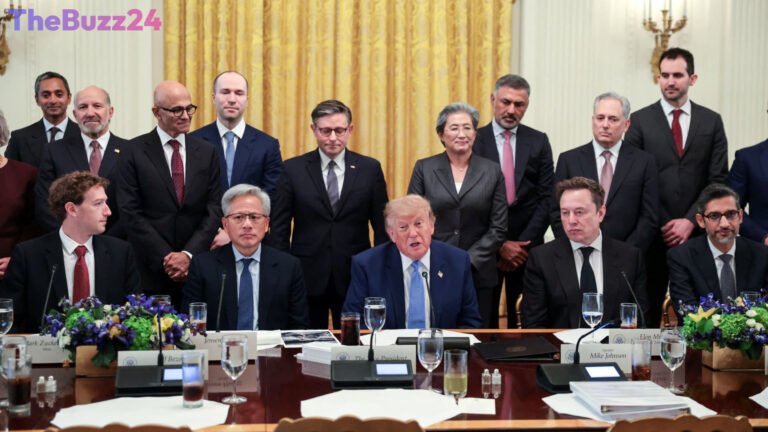
A major political realignment has taken hold in Washington following a sweeping midterm election that handed Democrats control of both the House of Representatives and the Senate. The decisive electoral results dismantle the unified Republican control that previously supported President Donald Trump’s legislative agenda. With the loss of congressional majorities, the administration faces an uphill battle to advance partisan measures, while newly empowered Democratic lawmakers prepare to challenge existing policies on tariffs, healthcare, and foreign affairs.
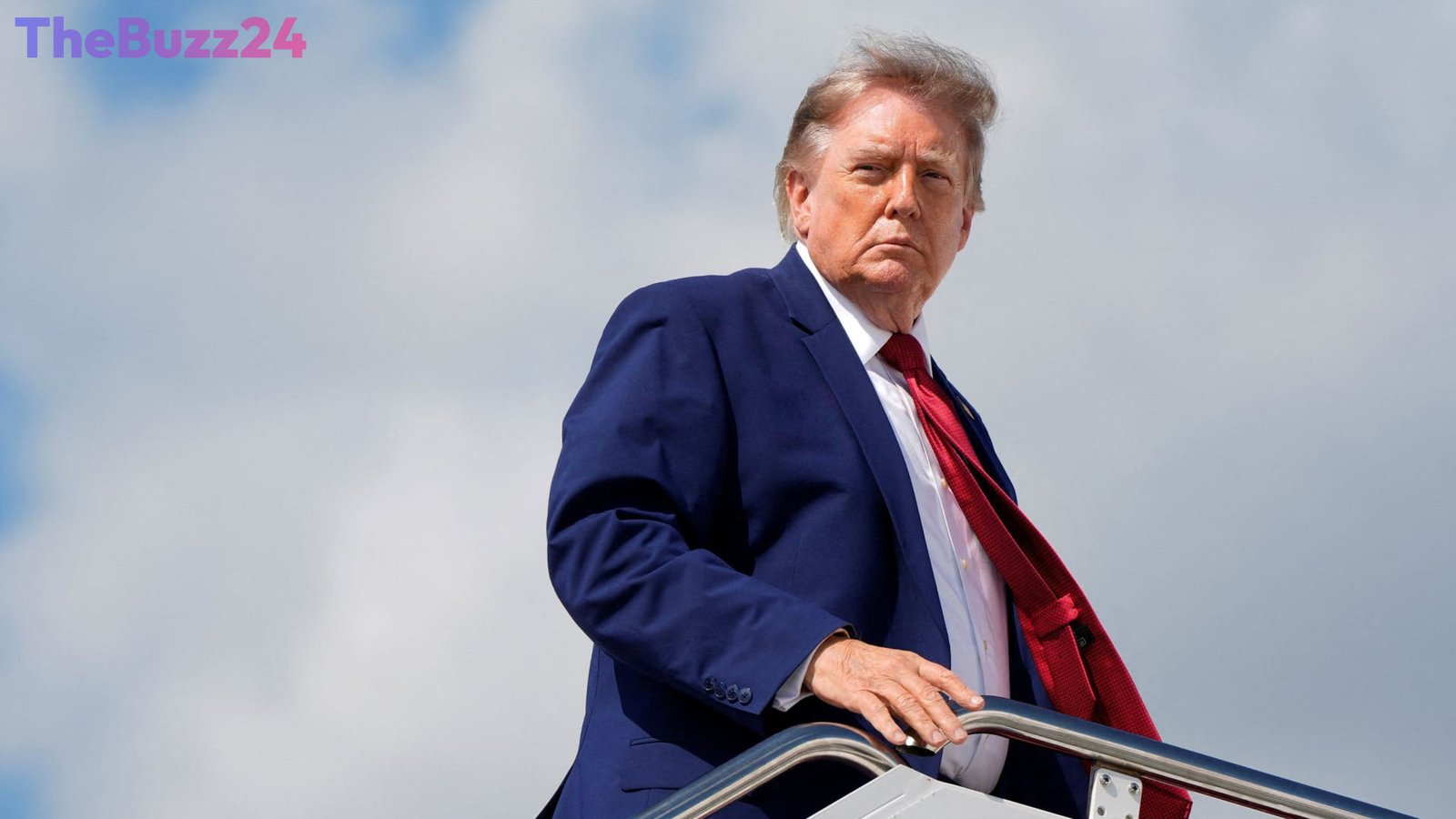
In response to the shifting legislative landscape, President Trump has signaled a firm intention to rely heavily on presidential veto authority to stymie opposition-backed legislation. Democratic leaders are planning an initial slate of bills aimed at reinstating enhanced health insurance subsidies, reversing recent Medicaid rollbacks, and curbing executive power over international trade tariffs. However, with Democrats lacking the two-thirds supermajority required to override executive vetoes, many of these legislative pushes face steep institutional hurdles, setting up prolonged political deadlocks between the White House and Capitol Hill.
Beyond legislative debates, the shift in committee leadership presents significant oversight challenges for the executive branch. Committee leaders in both chambers are preparing to deploy subpoena power to conduct extensive inquiries into federal immigration operations, tariff exemption processes, and administration-related business dealings. Prospective committee chairs have indicated that aggressive oversight will form a cornerstone of their strategy, potentially consuming significant administrative resources and altering political dynamics ahead of future election cycles.
The midterm outcome has also prompted introspective debate within conservative circles regarding the future direction of the party platform. While executive authorities allow the administration to maintain direct control over key foreign policy and regulatory actions, the reduced legislative support in Congress limits broader policy expansions. As both parties calibrate their strategies for the remainder of the term, Washington enters a period defined by intense oversight, executive-legislative friction, and strategic political positioning.
Key Takeaways
- Democrats secured majorities in both the House and Senate following decisive midterm election victories.
- President Donald Trump plans to heavily utilize presidential veto power to block Democratic legislative initiatives targeting trade, healthcare, and spending.
- Newly empowered Democratic committee chairs are preparing to issue subpoenas for extensive oversight investigations into administration policies and business dealings.
Editor’s Analysis & Impact
The return of divided government fundamentally reshapes the regulatory and economic outlook in Washington. For corporate leaders and financial markets, political gridlock in Congress reduces the probability of major legislative shifts but increases policy uncertainty regarding trade tariffs and administrative rules. Democratic oversight committees are poised to scrutinize corporate interactions, immigration enforcement, and trade exemptions, potentially elevating regulatory risk for affected sectors. Additionally, potential battles over healthcare subsidies and international commitments could impact industry stability. Investors should expect a period characterized by legislative stalemate, compensated by proactive executive actions and persistent institutional inquiries.
Frequently Asked Questions
Q: How do the midterm election results affect President Trump's legislative plans?
A: With opposition majorities in both the House and Senate, partisan legislative initiatives face steep challenges. The administration will rely more on executive authority and vetoes rather than passing new signature legislation.
Q: What are the immediate legislative goals for incoming Democratic leadership?
A: Democratic leaders aim to address consumer costs, restore healthcare subsidies, reverse recent Medicaid cuts, reassert congressional oversight over international trade tariffs, and debate ongoing foreign conflicts.
Q: What authority do congressional majorities give the opposition party?
A: Securing majority status allows the opposition party to assume committee chairmanships, control legislative scheduling, and exercise full subpoena power to conduct oversight investigations into executive operations.
AI Disclosure: This article is based on verified data and official reports. Our Team and AI have cross-referenced every financial detail with primary sources to ensure total accuracy.
More from this Category