Oil Prices Plunge Amid Post-Election Hopes for Iran Deal, Political Blame Game Unfolds
Global crude oil markets experienced a significant downturn on Wednesday, with prices tumbling below key psychological thresholds. The sharp decline followed U.S. midterm election results, which analysts suggest have reshaped the geopolitical calculus surrounding the ongoing conflict with Iran. U.S. West Texas Intermediate (WTI) futures plummeted 8.3% to settle at $88.12 a barrel, while Brent crude futures, the international benchmark, shed 8.7% to close at $94.62.
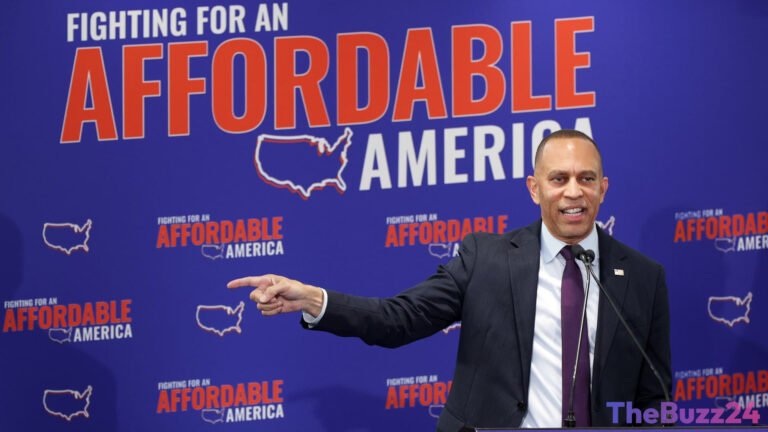
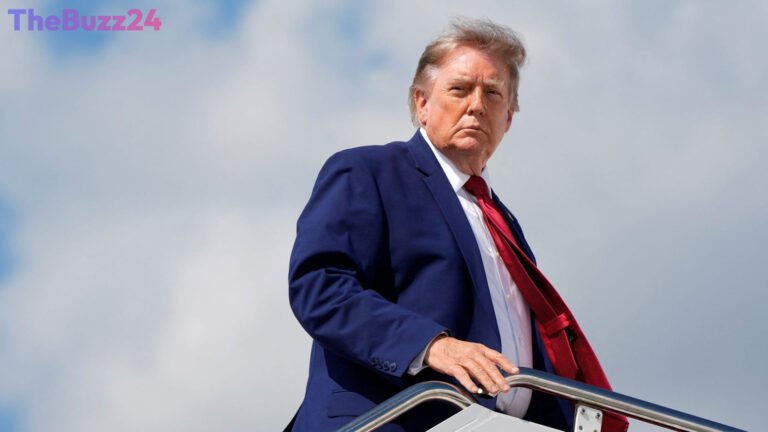
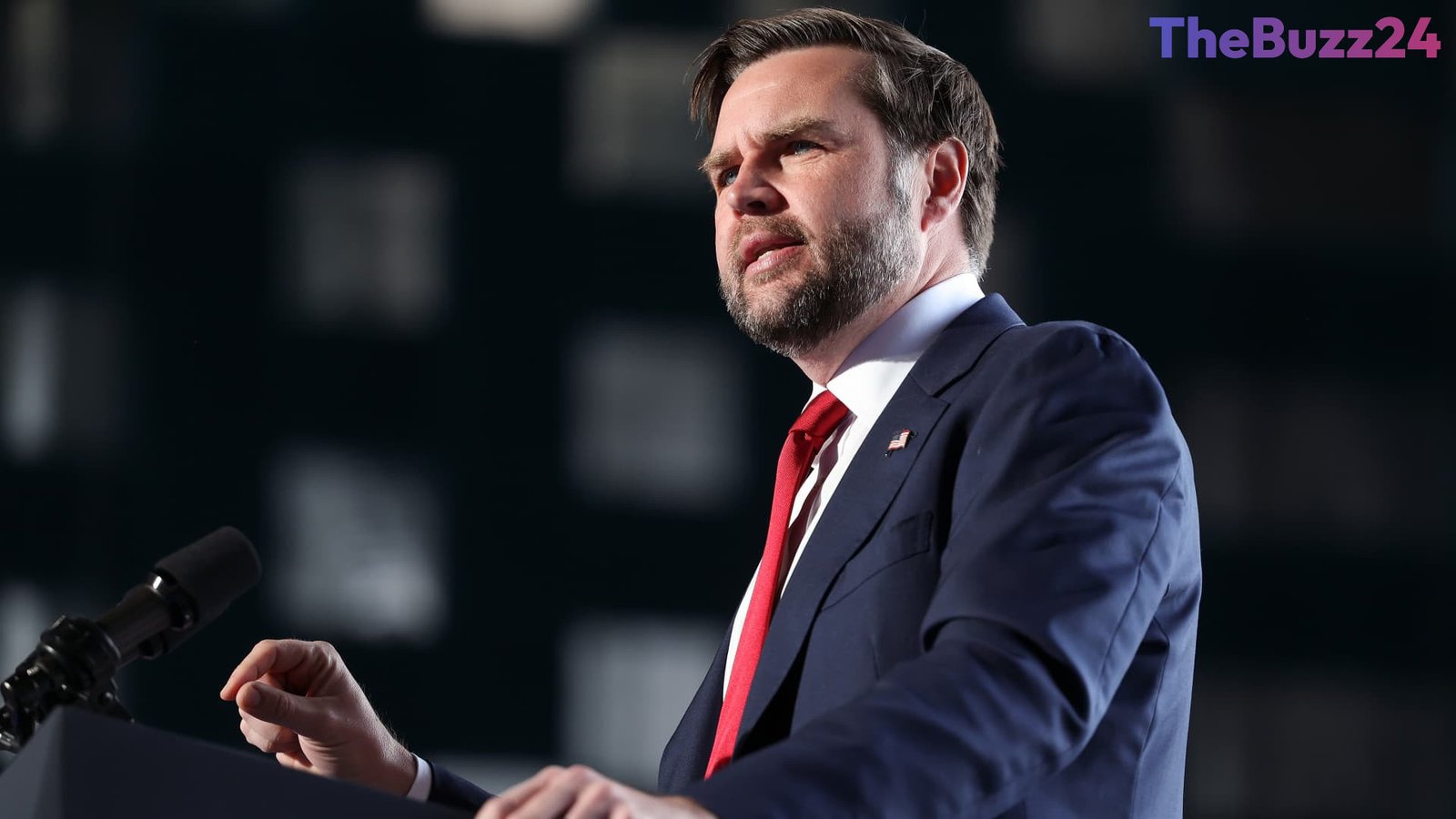
The market’s reaction was heavily influenced by Vice President JD Vance’s public statements, where he attributed Republican midterm election reversals to the war against Iran. “The reason we lost is the war,” Vance stated on social media, echoing sentiments reportedly expressed by President Donald Trump. The Democratic Party’s sweep of both the House and Senate in Tuesday’s elections is widely seen as providing them with significant leverage to pressure President Trump into ending the unpopular conflict, which has contributed to soaring gasoline and diesel prices.
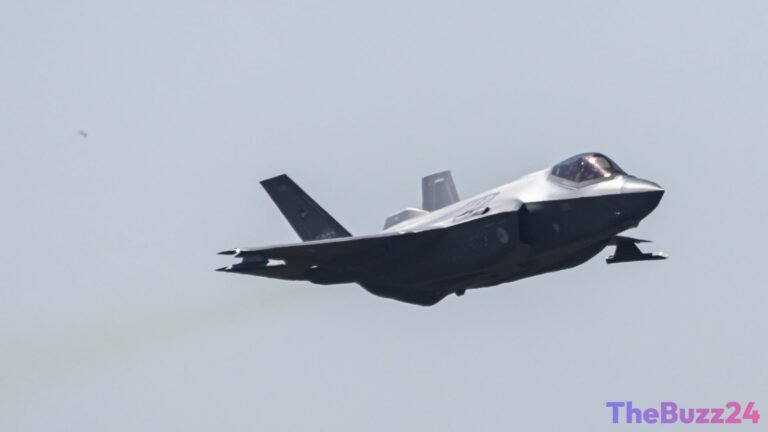
Energy market analysts believe the election outcome has created a stronger incentive for President Trump to pursue a diplomatic resolution with Iran. Andy Lipow, president of Lipow Oil Associates, noted that the elections are leading the market to conclude that Trump might now be more inclined to strike a deal. Furthermore, the newly empowered Democrats could potentially restrict funding for the war, adding another layer of pressure. This shift in sentiment comes after the oil market had previously priced in a substantial risk of escalation, with prices gaining over 10% in October.
Despite the recent sell-off, which has seen oil futures fall more than 14% this week, some experts caution against premature optimism. Rebecca Babin, a senior energy trader at CIBC, suggested the market’s reaction might be “getting a bit overdone,” describing it as a “shoot first, ask questions later” mentality driven by post-election emotions. While senior U.S. and Iranian officials have indicated openness to diplomatic settlement, Bob McNally, president of Rapidan Energy and a former advisor to President George W. Bush, warned that the odds still favor military escalation. McNally emphasized Iran’s uncompromising position and suggested President Trump, having paid a political price, is unlikely to abandon his long-held goal of preventing Iran from obtaining a nuclear weapon.
Key Takeaways
- Crude oil prices experienced a significant drop following U.S. midterm election results, with WTI and Brent crude falling over 8%.
- The market interprets the Democratic sweep of Congress as increasing President Trump's incentive to pursue a diplomatic resolution with Iran, easing previous escalation fears.
- Despite the recent market optimism for de-escalation, some analysts caution that the risk of military conflict in the region remains substantial due to Iran's stance and President Trump's long-term objectives.
Editor’s Analysis & Impact
The recent plunge in crude oil prices underscores the profound sensitivity of global energy markets to geopolitical shifts and domestic political outcomes. The U.S. midterm elections introduced a critical variable, transforming market sentiment from anticipating escalation to hoping for de-escalation in the Iran conflict. This volatility highlights the intricate interplay between political leverage, international diplomacy, and commodity pricing.
Looking ahead, the market will closely monitor any concrete steps towards a U.S.-Iran deal or any moves by the Democratic-controlled Congress to influence war funding. While a diplomatic path appears more plausible now, the deep-seated complexities of the U.S.-Iran relationship and President Trump’s stated policy goals mean that a definitive resolution is far from guaranteed. Any renewed tensions could quickly reverse the current price trend, emphasizing the inherent fragility of global energy security and the potential for rapid market adjustments.
Frequently Asked Questions
Q: Why did crude oil prices fall after the U.S. midterm elections?
A: Crude oil prices fell significantly because the market interpreted the Democratic Party's sweep of Congress as increasing President Donald Trump's incentive to seek a diplomatic resolution with Iran. This shift in political dynamics is seen as potentially easing geopolitical tensions that had previously driven up oil prices.
Q: What role did Vice President JD Vance's comments play in the market reaction?
A: Vice President JD Vance publicly attributed the Republican midterm election losses to the war with Iran. His comments, alongside President Trump's acknowledgment of the war's impact, reinforced the market's belief that political pressure would push for de-escalation, contributing to the downward pressure on oil prices.
Q: Is the risk of conflict with Iran completely gone despite the recent market optimism?
A: While recent statements from U.S. and Iranian officials suggest openness to diplomacy, some analysts caution that the underlying issues remain unresolved. Experts like Bob McNally believe the odds still favor military escalation, as Iran maintains a firm stance and President Trump is unlikely to abandon his long-term policy goals regarding Iran, suggesting the risk is not entirely diminished.
AI Disclosure: This article is based on verified data and official reports. Our Team and AI have cross-referenced every financial detail with primary sources to ensure total accuracy.
More from this Category