Market Shift: Stock Winners and Losers Emerge Following Landmark Election Results
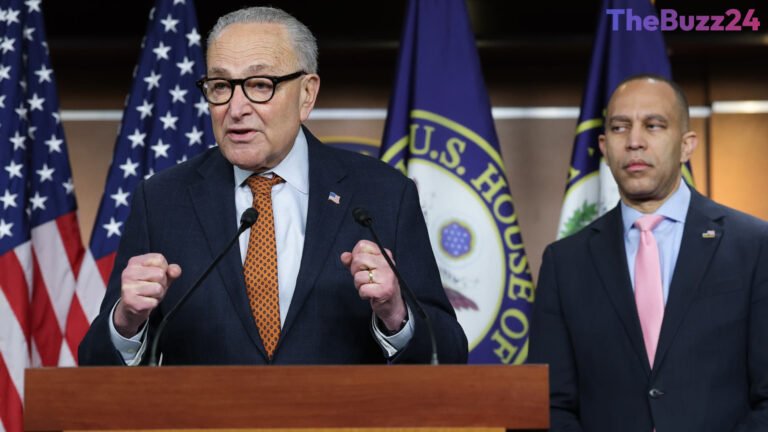
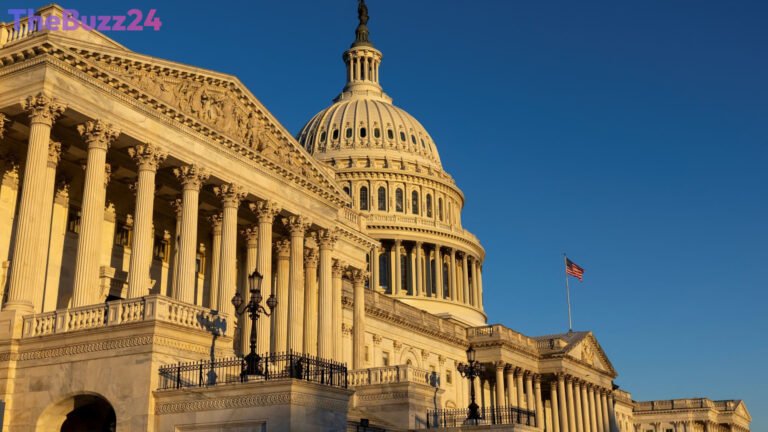
Wall Street experienced a major realignment following sweeping election outcomes across key federal and state races, including shifts in Congress and pivotal state-level contests in Texas and Georgia. The emerging political balance has created a renewed legislative counterweight in Washington, prompting investors to swiftly reallocate capital based on anticipated policy shifts surrounding healthcare, green energy, infrastructure, and national defense.
Renewable energy and healthcare equities led the market rally. Clean energy providers like Nextpower and Canadian Solar gained significant ground on expectations that a rebalanced legislature will protect green energy incentives and push back against deregulation attempts. Healthcare providers, including Centene and Molina Healthcare, surged alongside major hospital networks as market participants priced in the likely preservation and extension of Affordable Care Act subsidies. Additionally, consumer-focused sectors—spanning homebuilders, airlines, and discount retailers such as Dollar Tree—saw strong demand amid expectations of renewed legislative emphasis on domestic affordability.
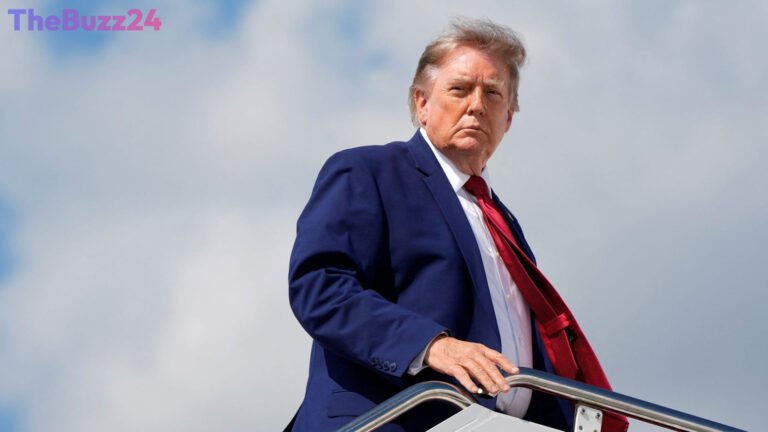
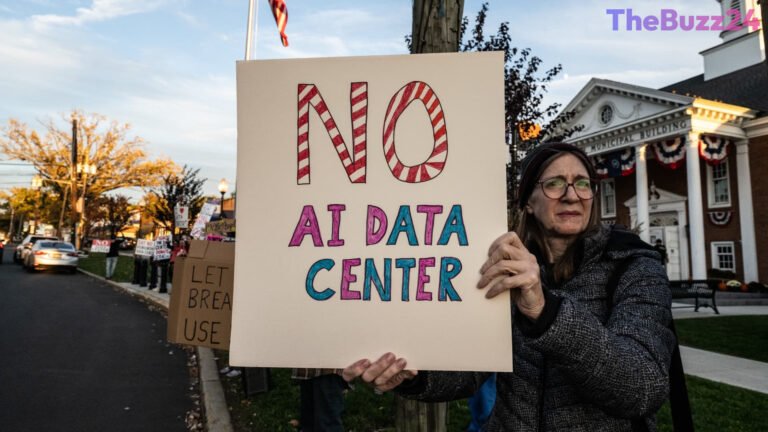
Conversely, defense contractors and specialized artificial intelligence infrastructure providers faced sharp pullbacks. Major defense firms, including Lockheed Martin and Northrop Grumman, tumbled alongside specialized drone manufacturers due to concerns over potential scrutiny of proposed defense budget expansions. Data center operators and AI hardware suppliers, such as CoreWeave and Vistra, also dropped sharply amid fears of local regulatory hurdles and potential construction moratoriums in key states. Meanwhile, companies tied to prominent political figures saw notable losses; Tesla and SpaceX recorded declines following state-level political shifts in Texas, while Trump Media & Technology Group plummeted nearly 25% to reach a 52-week low.
Despite sector-specific volatility, broader market indices drew underlying strength from gains in mega-cap technology firms, with Apple and Microsoft posting solid rallies. As the new balance of power takes hold, financial markets are recalibrating to an environment where regulatory oversight, subsidy protections, and consumer cost relief take center stage.
Key Takeaways
- Healthcare and renewable energy stocks rallied significantly on expectations of protected subsidies and green policy support.
- Defense contractors and AI data center plays tumbled due to concerns over budget scrutiny and regional construction moratoriums.
- Consumer-oriented sectors including homebuilding, airlines, and retail gained traction under an emerging 'affordability trade'.
Editor’s Analysis & Impact
The recent political shifts mark a decisive pivot in market dynamics, steering investor attention away from broad corporate deregulation toward sector-specific legislative scrutiny. Healthcare and clean energy stand as primary beneficiaries, buffered by extended federal subsidies and protective policy frameworks. Conversely, capital-heavy AI infrastructure and defense spending face near-term headwinds as local environmental limits and congressional budget debates take hold. Over the coming quarters, market performance will likely remain highly sensitive to legislative negotiations in Washington, with consumer staples and broad technology leaders positioned as resilient hedges during ongoing political adjustments.
Frequently Asked Questions
Q: Why did healthcare and clean energy stocks rise following the election?
A: Investors anticipate that the new legislative balance will protect renewable energy incentives and extend enhanced subsidies for Affordable Care Act plans, improving revenue outlooks for companies in these sectors.
Q: What led to the drop in data center and AI infrastructure stocks?
A: Concerns intensified regarding local regulatory actions, including potential state-level moratoriums and environmental limits on high-power data center developments.
Q: Why were defense stocks under pressure?
A: Shares of defense contractors declined due to market fears that a divided legislature could challenge or trim proposed multi-trillion-dollar defense budgets and supplemental military funding requests.
AI Disclosure: This article is based on verified data and official reports. Our Team and AI have cross-referenced every financial detail with primary sources to ensure total accuracy.
More from this Category