Rising Public Resistance Forces Tech Giants to Rethink AI Data Center Power and Water Demands
Growing public pushback against the rapid expansion of artificial intelligence infrastructure reached a turning point during recent elections, as voters overwhelmingly approved local ballot initiatives aimed at restricting new data center construction. Out of 41 proposed measures across the nation, 40 passed successfully, reflecting widespread anxiety over the strains these massive facilities place on local utility grids and municipal water supplies. With more than 2,000 next-generation data centers currently planned nationwide, community concerns are intensifying regarding the local resources required to sustain high-density computing infrastructure.
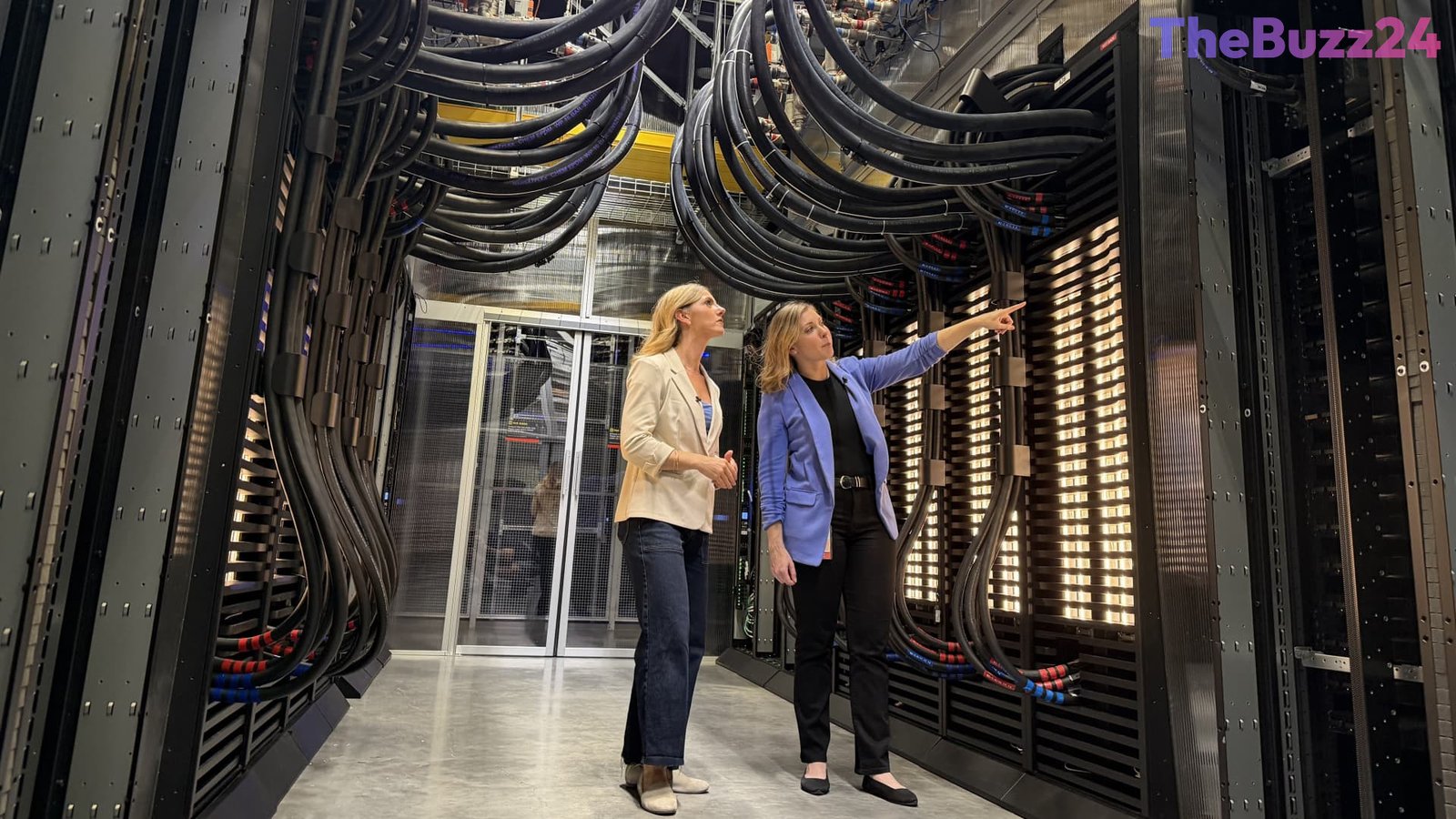
At the heart of the debate is the sheer scale of modern 1-gigawatt facility designs operated by major technology firms, including Meta, Amazon, Google, and SpaceX. While the latest AI server racks—powered by advanced graphics processing units from Nvidia and AMD—rely on efficient closed-loop liquid cooling internally, ejecting heat into the external environment remains highly resource-intensive. Facilities face a direct operational tradeoff: dry cooling methods demand massive amounts of electricity during peak summer months to power heavy refrigeration, whereas evaporative cooling systems can consume millions of gallons of water per day on hot days to keep equipment operating safely.
To mitigate these operational bottlenecks and manage community relations, major tech operators are increasingly forced to invest in localized utility solutions. Meta has committed $100 million toward water treatment facilities in Idaho, while SpaceX has outlined plans for an $80 million municipal wastewater recycling project to support its facility expansion in Tennessee. Simultaneously, semiconductor manufacturers like DeepX and SK Hynix are attacking the problem at the hardware level, developing next-generation chips and thermal memory designs engineered to generate significantly less heat from the outset.
Key Takeaways
- Voters approved 40 out of 41 ballot measures nationwide to restrict new AI data center developments due to concerns over water and electricity usage.
- Data center operators face a critical operational trade-off between power-heavy dry cooling systems and water-intensive evaporative cooling setups during high ambient temperatures.
- Tech companies and chipmakers are attempting to resolve resource constraints through localized wastewater treatment investments and lower-heat semiconductor designs.
Editor’s Analysis & Impact
The passing of local ballot restrictions signals a structural shift in how hyperscale data center infrastructure will be deployed moving forward. As public scrutiny over resource allocation intensifies, technology giants can no longer rely solely on favorable municipal agreements; they must proactively address grid stability and water conservation. This tension is spurring rapid innovation in closed-loop cooling and energy-efficient hardware, while accelerating investments in on-site power generation and industrial water recycling. Over the next decade, resource availability and local environmental policy will become primary site-selection criteria, potentially slowing down rapid AI deployment while favoring hardware manufacturers that successfully minimize thermal output.
Frequently Asked Questions
Q: Why do AI data centers consume so much water?
A: High-performance AI chips generate intense heat that must be dissipated. While internal closed-loop liquid systems recycle water, external evaporative cooling systems evaporate large volumes of water into the atmosphere on hot days to keep the building cool.
Q: What is the main trade-off between dry cooling and evaporative cooling?
A: Dry cooling relies on fans and refrigeration, consuming large amounts of electricity but minimal water. Evaporative cooling uses far less power but requires millions of gallons of water daily to remove heat through evaporation.
Q: How are semiconductor companies attempting to solve the cooling challenge?
A: Chipmakers are working on hardware innovations, such as low-heat memory architectures and lower-wattage AI processors, designed to reduce heat generation directly at the silicon level.
AI Disclosure: This article is based on verified data and official reports. Our Team and AI have cross-referenced every financial detail with primary sources to ensure total accuracy.
More from this Category