Democratic Midterm Victories Signal Hardening U.S. Stance on China’s Tech and Taiwan Policies
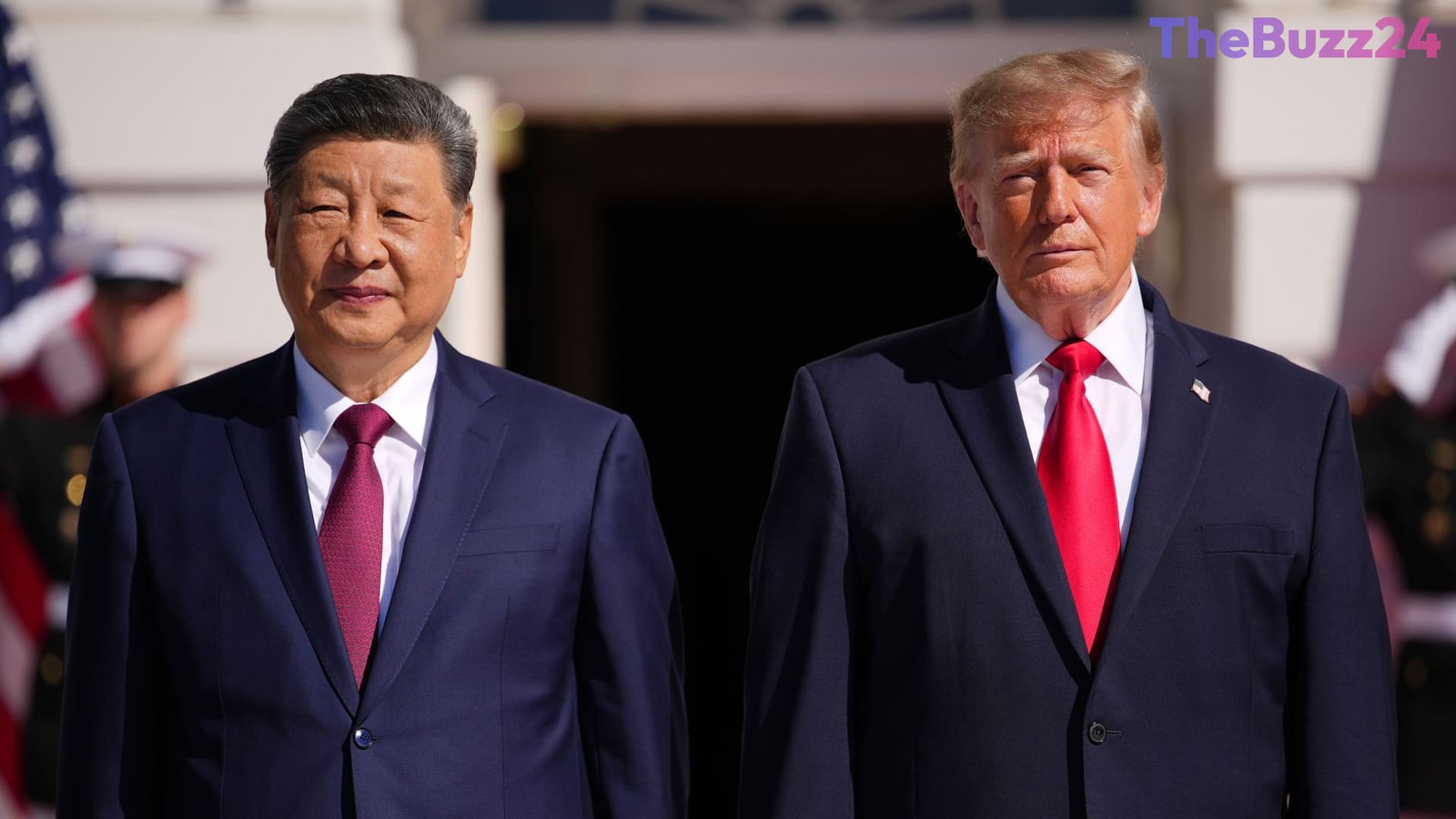
Following major Democratic victories in the U.S. midterm elections—securing control of both the House and the Senate alongside key gubernatorial seats—the strategic landscape between Washington and Beijing is poised for a notable shift. While newly elected lawmakers prepare to assume office in January, U.S. President Donald Trump and Chinese President Xi Jinping are scheduled to hold high-stakes summit meetings in Shenzhen and Miami to maintain a fragile geopolitical truce. However, the political transition in Congress is expected to intensify pressure on the White House to take a firmer stance on economic security and regional stability.
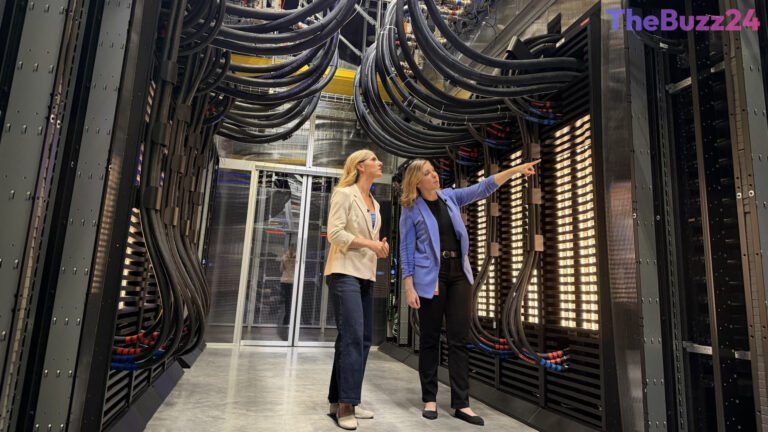
Taiwan remains the primary flashpoint in U.S.-China relations. A newly empowered Democratic majority in Congress is likely to push for stronger support for the island, potentially challenging Beijing’s territorial claims through legislative measures and public hearings. Congressional leaders have historically demonstrated a readiness to assert Taiwan policy independently of executive branch caution. The island’s critical position as a global semiconductor manufacturing hub—anchored by TSMC’s production of advanced microchips for technology giants like Nvidia—heightens the strategic stakes as Washington seeks to protect key artificial intelligence supply chains.
Beyond cross-Strait tensions, lawmakers are zeroing in on high-technology competition and trade relations. High on the legislative agenda is a focus on reviewing existing tariff structures to address domestic inflation, alongside efforts to restrict Chinese access to cutting-edge semiconductor capabilities. A consensus continues to solidify in Washington that American technological advantages should not be leveraged to strengthen foreign military capabilities. Consequently, even as executive diplomacy attempts to preserve commercial stability, technology and trade are set to become major sources of ongoing friction between the two global powers.
Key Takeaways
- Democratic control of Congress is expected to push U.S. policy toward a more assertive stance on Taiwan and technological security.
- Upcoming summits between President Trump and President Xi Jinping aim to preserve short-term diplomatic stability amid rising legislative pressure.
- Taiwan's semiconductor ecosystem remains a strategic center of friction as Washington accelerates efforts to protect advanced AI hardware.
Editor’s Analysis & Impact
The shift in congressional power introduces fresh uncertainty into international markets and global technology supply chains. While the executive branch retains primary authority over foreign diplomatic relations, heightened legislative oversight and upcoming bills could enforce stricter export controls on critical semiconductors, high-end AI components, and manufacturing equipment. This environment places hardware giants such as Nvidia and TSMC directly in the crosshairs of ongoing geopolitical policy. Investors should anticipate increased regulatory scrutiny surrounding dual-use technologies, alongside potential counter-responses from Beijing involving vital resources like rare earth minerals. Long-term market stability will depend on whether executive diplomacy can effectively balance national security priorities with commercial stability.
Frequently Asked Questions
Q: How might the midterm election results affect U.S. tariffs on Chinese imports?
A: Democratic lawmakers are expected to evaluate trade policy with a focus on mitigating domestic inflation, which could lead to legislative proposals aimed at modifying or restructuring current tariffs.
Q: Why is Taiwan central to U.S.-China tech competition?
A: Taiwan hosts TSMC, the world's leading semiconductor foundry responsible for manufacturing key microchips for major U.S. tech firms like Nvidia. Securing access to these microchips is critical for leadership in artificial intelligence and defense technologies.
Q: How can Congress influence U.S.-China policy independently of the President?
A: While executive authority leads direct diplomatic relations, Congress exerts significant power through legislative mandates, budget decisions, statutory export control frameworks, and public oversight hearings.
AI Disclosure: This article is based on verified data and official reports. Our Team and AI have cross-referenced every financial detail with primary sources to ensure total accuracy.
More from this Category