Burger Giant Wendy’s Rejects Trian’s $1.4 Billion Buyout Offer, Citing Undervaluation
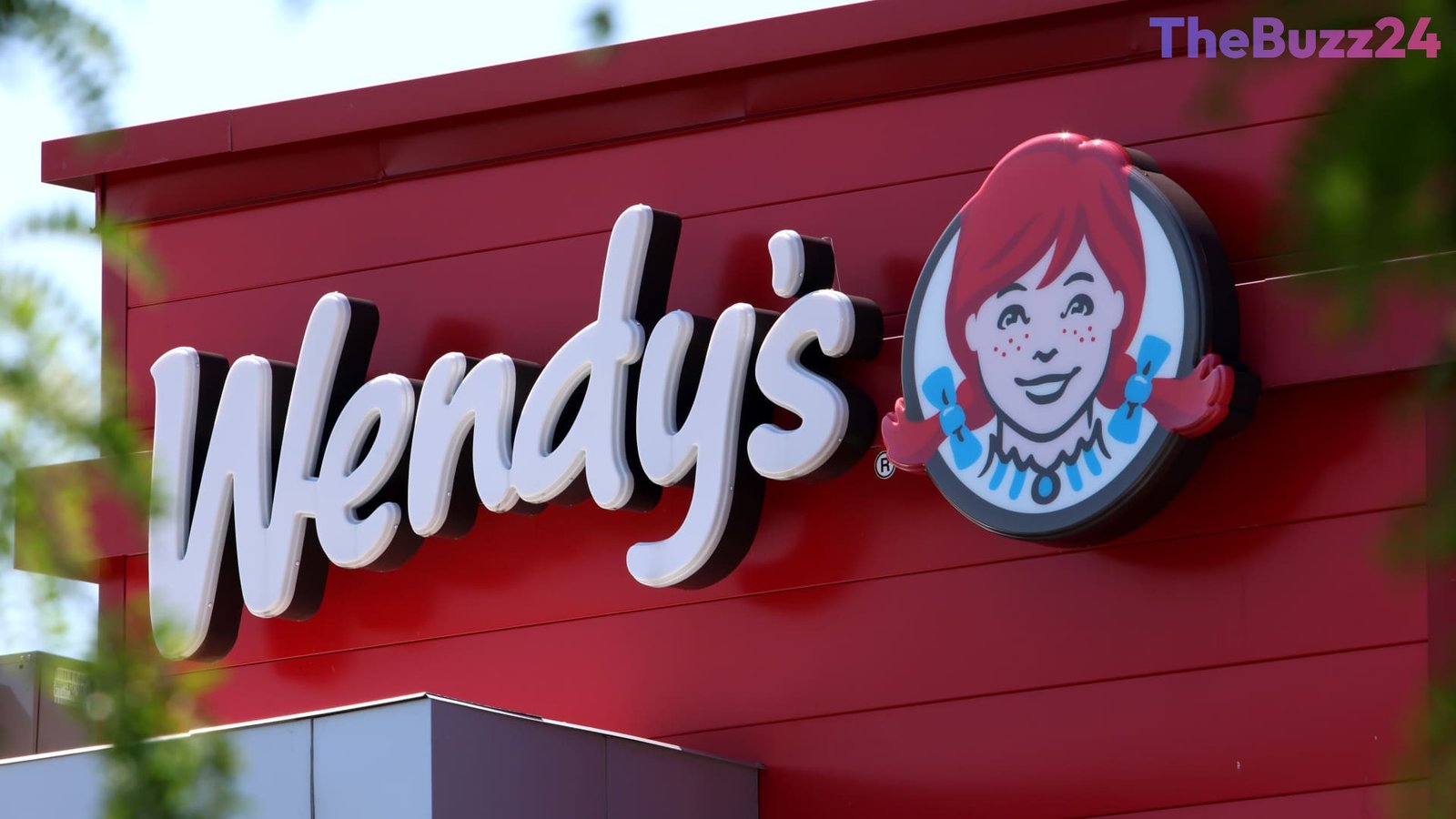
Wendy’s has announced its decision to reject a $1.4 billion takeover proposal from an investor consortium spearheaded by Nelson Peltz’s Trian Fund Management. The fast-food chain stated that the offer, which proposed $7.35 per share in cash to take the company private, significantly undervalues its potential and does not account for the anticipated benefits of its ongoing turnaround strategy.
The investor group, which presented its offer on October 28, included Trian, BlueFive Capital, Sixth Street Partners, and Flynn Group, one of Wendy’s largest franchisees. An independent committee formed by Wendy’s board earlier this year to evaluate any potential bids from Trian concluded that the proposal failed to reflect the company’s intrinsic value. Art Winkleblack, Wendy’s board chair and a member of the independent committee, expressed strong confidence in CEO Bob Wright’s leadership and his proven track record in restaurant business turnarounds.
To safeguard against a hostile takeover, Wendy’s has adopted a shareholder rights plan, commonly known as a “poison pill,” with a one-year duration. This defensive measure was implemented after the Trian-led investor group reportedly declined Wendy’s offer for a standstill agreement, which would have paused further share purchases. This rejection marks the latest chapter in a long-standing and often contentious relationship between Nelson Peltz and the burger chain, a saga that spans more than two decades and includes a period when Peltz’s firm, Triarc, owned Wendy’s in 2008. Despite the current dispute, Trian executives Peter May and Bradley Peltz, Nelson’s son, continue to hold seats on Wendy’s board, and Nelson Peltz himself was named chairman emeritus in 2024.
Financially, Wendy’s recently reported its third-quarter results, revealing a seventh consecutive quarter of declining same-store sales. However, the company managed to surpass Wall Street’s expectations for both quarterly earnings and revenue. Following the rejection of the takeover bid, Wendy’s shares experienced a slight dip, though the initial offer had previously provided a boost to the stock, which has seen approximately 60% of its value erode over the past three years. The situation at Wendy’s mirrors a broader trend in the restaurant industry, where other chains, such as Applebee’s owner Dine Brands, have also deployed poison pills to fend off activist investor bids.
Key Takeaways
- Wendy's rejected a $1.4 billion takeover offer from a group led by Nelson Peltz's Trian Fund Management, deeming it to "substantially undervalue" the company.
- The burger chain implemented a "poison pill" defense mechanism to prevent a hostile takeover, following the investor group's refusal of a standstill agreement.
- This rejection marks the latest chapter in a decades-long engagement between Peltz and Wendy's, despite Trian executives holding seats on the company's board.
Editor’s Analysis & Impact
Wendy’s rejection of Trian’s $1.4 billion bid underscores the ongoing tension between activist investors seeking immediate returns and corporate boards focused on long-term strategic growth. This move could embolden other companies facing similar pressures to resist takeover attempts if they believe their intrinsic value is not being recognized. The deployment of a “poison pill” signals a strong commitment from Wendy’s management to its current turnaround strategy, despite mixed financial results like declining same-store sales. For Trian, this rejection may prompt a re-evaluation of its strategy, potentially leading to a revised offer or a shift in focus. The broader implication is a continued spotlight on corporate governance and valuation debates within the restaurant sector, as companies navigate market expectations while striving to execute their strategic visions.
Frequently Asked Questions
Q: What was the value of the takeover offer Wendy's rejected?
A: Wendy's rejected a $1.4 billion takeover offer from an investor group led by Nelson Peltz's Trian Fund Management, which proposed $7.35 per share in cash.
Q: Why did Wendy's reject the offer?
A: An independent committee of Wendy's board concluded that the proposal "substantially undervalues" the company and does not adequately reflect the potential gains from its ongoing turnaround strategy.
Q: What is a "poison pill" in the context of a corporate takeover?
A: A "poison pill," or shareholder rights plan, is a defensive tactic used by a company to prevent or deter hostile takeovers. It typically allows existing shareholders, excluding the hostile acquirer, to purchase additional shares at a discount, thereby diluting the hostile bidder's ownership stake and making the acquisition more expensive.
AI Disclosure: This article is based on verified data and official reports. Our Team and AI have cross-referenced every financial detail with primary sources to ensure total accuracy.
More from this Category