Bank of England Raises Rates Amid Inflation Fears Fueled by Middle East Conflict
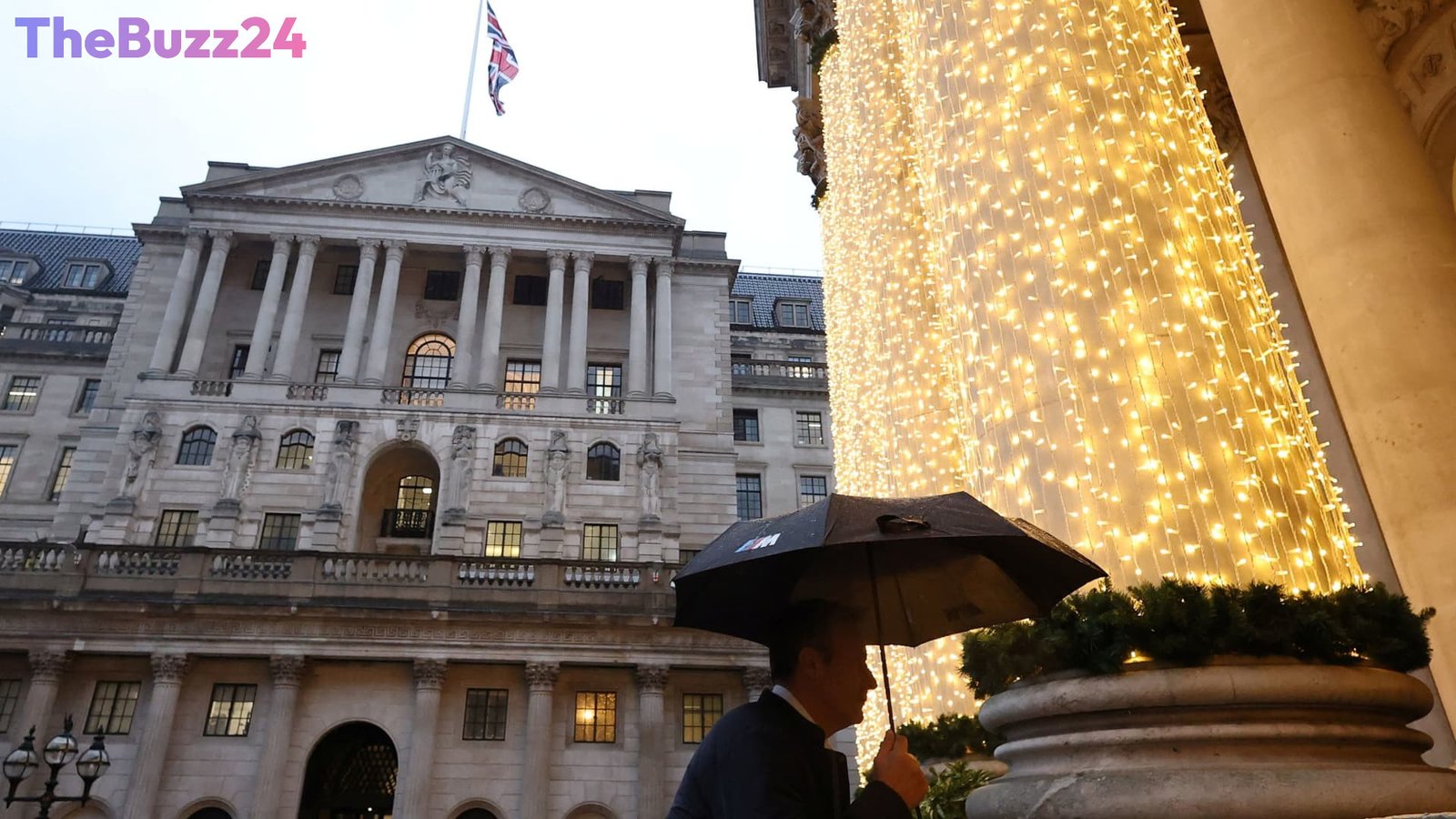
The Bank of England has implemented its first interest rate increase in over three years, lifting the key rate by 25 basis points to 4%. This widely anticipated move signals a shift in monetary policy, making it the last major central bank to begin tightening its stance since the escalation of the U.S.-Iran conflict.
The decision, passed by an 8-to-1 vote among the Monetary Policy Committee (MPC), saw one member advocate for a more aggressive 50-basis point hike. Policymakers cited the ongoing geopolitical tensions in the Middle East as a significant factor contributing to rising global energy prices, which in turn are expected to push U.K. inflation towards 5% by mid-2027. Following this initial rise, inflation is projected to decline as the impact of elevated energy costs on annual rates diminishes and restrictive monetary policy takes hold.
Market participants had largely priced in the rate hike, with traders also considering the possibility of further increases in December. Governor Andrew Bailey acknowledged the upside risks to inflation stemming from the Middle East conflict, suggesting that continued instability could warrant additional rate adjustments. The U.K.’s vulnerability as a net energy importer makes it particularly susceptible to external energy shocks, such as those exacerbated by the recent conflict.
One of the most hawkish members of the MPC, Catherine L Mann, explained her vote for a larger hike by referencing research on “non-linear inflation risks” and the potential for “second-round effects” in the labor market. She argued that a more substantial increase was necessary from a risk management and credibility standpoint to combat persistent inflation and maintain policy effectiveness. The announcement led to a slight increase in yields on U.K. government bonds, while the British pound remained stable against the dollar and euro.
Key Takeaways
- The Bank of England has raised its key interest rate by 25 basis points to 4%, marking the first hike in over three years.
- Inflation is now forecast to reach approximately 5% by mid-2027, largely due to rising energy prices influenced by the Middle East conflict.
- One MPC member dissented, voting for a larger 50-basis point hike, citing concerns about persistent inflation risks and policy credibility.
Editor’s Analysis & Impact
This interest rate hike by the Bank of England underscores the significant inflationary pressures facing the UK economy, exacerbated by global geopolitical instability. The central bank’s decision to tighten monetary policy, albeit cautiously, signals a commitment to combating rising prices. However, the reliance on energy imports makes the UK particularly vulnerable to external shocks, creating a delicate balancing act for policymakers. The market will be closely watching future inflation data and the trajectory of energy prices, as well as the potential for second-round inflation effects, to gauge the need for further aggressive action. The divergence in MPC voting highlights ongoing debate about the appropriate pace of tightening to avoid stifling nascent economic growth.
Frequently Asked Questions
Q: Why is the Bank of England raising interest rates?
A: The Bank of England is raising interest rates primarily to combat rising inflation. Inflation has been driven up by factors including increased global energy prices, which are partly linked to the conflict in the Middle East, and potential second-round effects in the labor market.
Q: What is the expected impact of the rate hike on the UK economy?
A: The rate hike is intended to cool down the economy and bring inflation back towards the target of 2%. However, it also increases borrowing costs for consumers and businesses, which could slow economic growth. The Bank of England is trying to balance controlling inflation with supporting economic activity.
Q: How does the conflict in the Middle East affect UK inflation?
A: The conflict has contributed to higher global energy prices. As the UK is a net importer of energy, it is particularly sensitive to these price increases, which directly impacts inflation through higher fuel and utility costs.
AI Disclosure: This article is based on verified data and official reports. Our Team and AI have cross-referenced every financial detail with primary sources to ensure total accuracy.
More from this Category