Food Tech Disruptor Wonder Files for IPO Following Massive Expansion
Wonder, the innovative food technology company founded by entrepreneur Marc Lore, has officially taken the first step toward becoming a publicly traded entity by filing for an initial public offering (IPO). This move follows a period of aggressive growth and significant capital accumulation, including a recent funding round that valued the enterprise at approximately $9 billion. The company, which began as a delivery concept in 2018, has since transformed into a multifaceted food platform that integrates meal preparation, dine-in services, and delivery logistics.
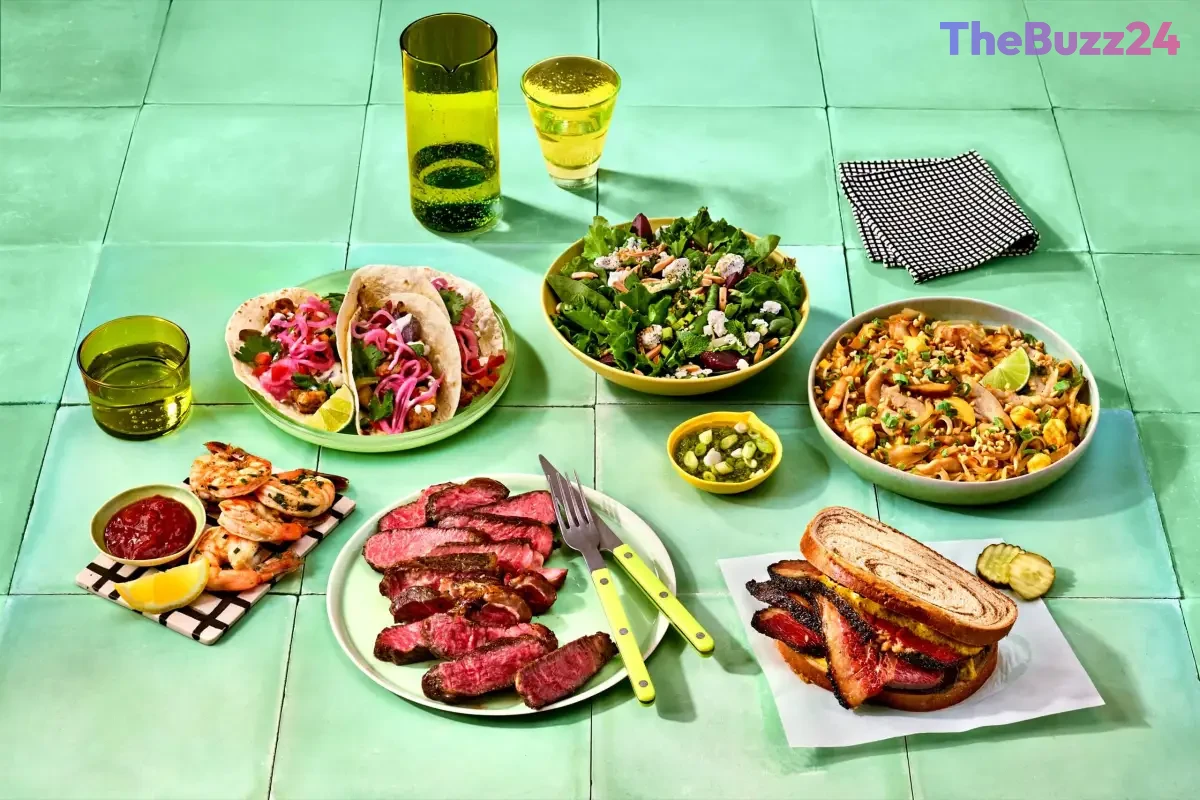
Unlike traditional delivery apps that act solely as intermediaries, Wonder operates a unique model centered on food hall-style locations. By managing the entire culinary process, the company aims to provide a more consistent and high-quality experience for its customers. This strategy has been bolstered by a series of strategic acquisitions, including meal-kit provider Blue Apron, delivery platform Grubhub, and kitchen robotics firm Spyce. These additions have provided Wonder with the automation technology and infrastructure necessary to scale its operations efficiently.
Looking ahead, the company is focused on rapid physical expansion, with plans to establish over 100 locations in Texas by 2027. Furthermore, Wonder is diversifying its revenue streams through ‘Wonder Create,’ an AI-driven platform that allows influencers and entrepreneurs to launch new restaurant concepts in seconds. With a $425 million partnership with DoorDash already in place to bolster its campus dining presence, Wonder is positioning itself to challenge established industry giants in an increasingly crowded food delivery market.
Key Takeaways
- Wonder has confidentially filed for an IPO, building on a $9 billion valuation achieved in its most recent funding round.
- The company differentiates itself from competitors like Uber Eats and DoorDash by managing the full culinary lifecycle, from preparation to delivery.
- Strategic acquisitions, including Grubhub and Blue Apron, alongside AI-powered brand creation tools, form the backbone of Wonder's aggressive growth strategy.
Editor’s Analysis & Impact
Wonder’s transition to the public markets marks a pivotal moment for the food-tech sector. By moving away from the ‘asset-light’ model favored by traditional delivery apps and toward a vertically integrated, ‘ghost kitchen’ and food-hall hybrid, the company is attempting to solve the profitability issues that have long plagued the delivery industry. The integration of robotics and AI-driven brand creation suggests that Wonder is betting on operational efficiency and rapid product iteration to gain market share. However, the company faces significant headwinds, including the high capital expenditure required to maintain physical locations and the intense competition from entrenched players. If successful, Wonder could redefine the ‘delivery’ category, but investors will likely scrutinize its ability to maintain margins while scaling its physical footprint across the United States.
Frequently Asked Questions
Q: What makes Wonder's business model different from DoorDash or Uber Eats?
A: While DoorDash and Uber Eats primarily act as delivery intermediaries between existing restaurants and customers, Wonder manages the entire process, including meal preparation and the operation of its own food hall-style locations.
Q: What is the purpose of the Wonder Create platform?
A: Wonder Create is an AI-powered platform designed to help food entrepreneurs and social media influencers develop and launch new restaurant brands and menu items in under a minute.
AI Disclosure: This article is based on verified data and official reports. Our Team and AI have cross-referenced every financial detail with primary sources to ensure total accuracy.
More from this Category