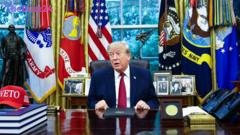
Trump Declares Oval Office a National Monument in Preservation Move
President Donald Trump has signed an executive order designating the Oval Office as a national monument, a move he states is intended to safeguard the historic space from future alterations by subsequent administrations. The order aims to prevent what Trump described as potential destruction or significant modification by “stupid people” seeking to reshape the iconic room.
While the executive order establishes the Oval Office as a protected monument, it explicitly allows for ongoing presidential authority to redecorate, select furnishings, and implement routine operational or security adjustments, provided these do not fundamentally alter the room’s historic structure or architectural character. This clarification acknowledges the existing presidential prerogative to make changes, though larger-scale renovations typically require congressional approval.
The directive follows a period of significant renovations undertaken by the Trump administration, including a controversial project to demolish and rebuild the White House East Wing without congressional consent. Trump has asserted that the White House and the Oval Office were in a state of disrepair prior to his interventions, citing issues such as broken windows and cracked walls. He highlighted cosmetic changes, such as a prominent “Oval Office” plaque and the relocation of the Rose Garden, as improvements that have drawn praise from visiting world leaders.
The long-term effectiveness and legal standing of this executive order remain subjects of debate. Most executive orders can be rescinded by future presidents, and Trump himself has previously altered national monument designations. The designation of the White House grounds as a National Historic Landmark already provides a layer of protection, but this new order specifically targets the Oval Office for preservation by the National Park Service, emphasizing its unique historical and symbolic importance to the presidency and the nation.
Key Takeaways
- President Trump has issued an executive order designating the Oval Office as a national monument.
- The order aims to protect the Oval Office from significant future alterations while allowing for redecoration and routine changes.
- The legal enforceability and potential for reversal of this designation by future administrations are uncertain.
Editor’s Analysis & Impact
President Trump’s executive order to designate the Oval Office as a national monument introduces a novel layer of protection for a highly symbolic space. While intended to preserve its historic character, the order’s practical impact is debatable, given the precedent of executive orders being overturned and the inherent flexibility presidents have in altering their immediate workspace. This move could be seen as an attempt to leave a lasting personal mark on a key presidential symbol, potentially setting a new precedent for how future administrations approach the preservation of iconic governmental spaces. The legal challenges and political debates surrounding this action highlight the ongoing tension between presidential authority, historical preservation, and the symbolic representation of power.
Frequently Asked Questions
Q: Can future presidents easily reverse this executive order?
A: Yes, most executive orders can be reversed by a subsequent president. However, the specific legal precedent for revoking a national monument designation for a presidential office has not yet been tested in court, making the outcome uncertain.
Q: Does this order prevent any changes to the Oval Office decor?
A: No, the order explicitly states it does not restrict the President's authority to redecorate the monument, select furnishings, or make ordinary operational and security modifications that do not substantially impair the monument's historic structure or architectural character.
Q: What is the purpose of declaring the Oval Office a national monument?
A: The stated purpose is to preserve the historic character and architectural integrity of the Oval Office, preventing future presidents from making significant alterations or 'destroying' the space, as described by President Trump.
AI Disclosure: This article is based on verified data and official reports. Our Team and AI have cross-referenced every financial detail with primary sources to ensure total accuracy.
More from this Category