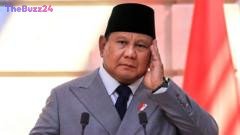
Indonesian Presidential Wiretapping Scandal Sparks Treason Allegations and Political Fallout
Indonesia is grappling with a significant political crisis following allegations that President Prabowo Subianto’s private communications were illegally intercepted. The unfolding scandal has ensnared several high-ranking officials, including the President’s Chief of Staff, Listyo Sigit Prabowo, and has intensified speculation about a growing rift between President Prabowo and his predecessor, Joko Widodo (Jokowi).
Authorities have launched an investigation into potential treason, a charge that carries severe penalties in Indonesia, including life imprisonment or the death penalty. The alleged wiretapping operation, reportedly uncovered last week through an internal tip-off, is believed to have begun as early as 2025. Officials state that the suspects allegedly used the police’s official electronic surveillance system to key in phone numbers, including the President’s, without the requisite legal authorization, such as an investigation warrant or case report. The scope of the alleged surveillance extended beyond the President to include other politicians, journalists, NGO representatives, and business figures.
This incident occurs against a backdrop of shifting political alliances and policy divergences. President Prabowo, who secured victory in the 2024 election with Jokowi’s crucial endorsement, has reportedly prioritized his signature free school meals program over Jokowi’s ambitious capital city relocation project, Nusantara. Furthermore, several key figures appointed during Jokowi’s tenure have been reassigned, signaling a potential departure from the previous administration’s direction. The arrest and subsequent dismissal of Chief of Staff Listyo Sigit Prabowo, a known ally of Jokowi, has further fueled perceptions of a widening chasm between the two leaders, despite official statements emphasizing that the investigation is a matter of law enforcement unrelated to political rivalries.
The scandal adds another layer of complexity to an already turbulent period for President Prabowo’s administration. The nation faces economic uncertainties, environmental challenges including severe wildfires, and allegations of market manipulation. Critics argue that these pressing issues are being overshadowed by internal political turmoil, leading to public dissatisfaction and protests concerning issues like toxic wildfire haze, corruption, and the rising cost of living.
Key Takeaways
- Indonesian President Prabowo Subianto's phone conversations are allegedly being investigated for illegal wiretapping, with treason charges being considered.
- The scandal involves the President's Chief of Staff, Listyo Sigit Prabowo, and other senior officials, potentially indicating a political rift with former President Joko Widodo (Jokowi).
- The alleged wiretapping operation targeted not only the President but also politicians, journalists, and business figures, raising concerns about national security and civil liberties.
Editor’s Analysis & Impact
This wiretapping scandal strikes at the heart of Indonesian political stability, potentially exacerbating existing tensions between President Prabowo and his predecessor, Jokowi. The allegations of treason, if proven, could have profound implications for national security and international trust. The incident highlights the vulnerability of high-profile communications and the critical need for robust oversight of surveillance technologies. As the investigation unfolds, market confidence and foreign investment could be impacted, particularly if the political fallout leads to policy uncertainty or further instability. The scandal also underscores the challenges of navigating power transitions and maintaining alliances in a complex political landscape, potentially diverting attention from critical economic and environmental issues facing the nation.
Frequently Asked Questions
Q: What is the main accusation in the Indonesian wiretapping scandal?
A: The main accusation is that President Prabowo Subianto's phone conversations were illegally intercepted, leading to an investigation into potential treason by senior officials, including his Chief of Staff.
Q: Who are the key figures involved in the scandal?
A: Key figures include President Prabowo Subianto, his Chief of Staff Listyo Sigit Prabowo, former President Joko Widodo (Jokowi), and two senior police officers. A fourth suspect, Slamet Uliandi, was also named.
Q: What are the potential consequences of a treason charge in Indonesia?
A: In Indonesia, treason is a serious offense that can be punishable by life imprisonment or even the death penalty, although executions have not been carried out in the country for a decade.
AI Disclosure: This article is based on verified data and official reports. Our Team and AI have cross-referenced every financial detail with primary sources to ensure total accuracy.
More from this Category