Strategic Spoiler: How Ty Pinkins Influenced the Tight Mississippi Senate Race
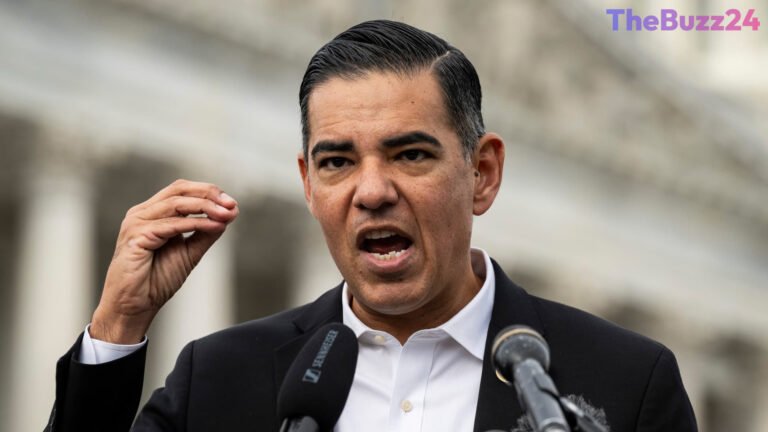
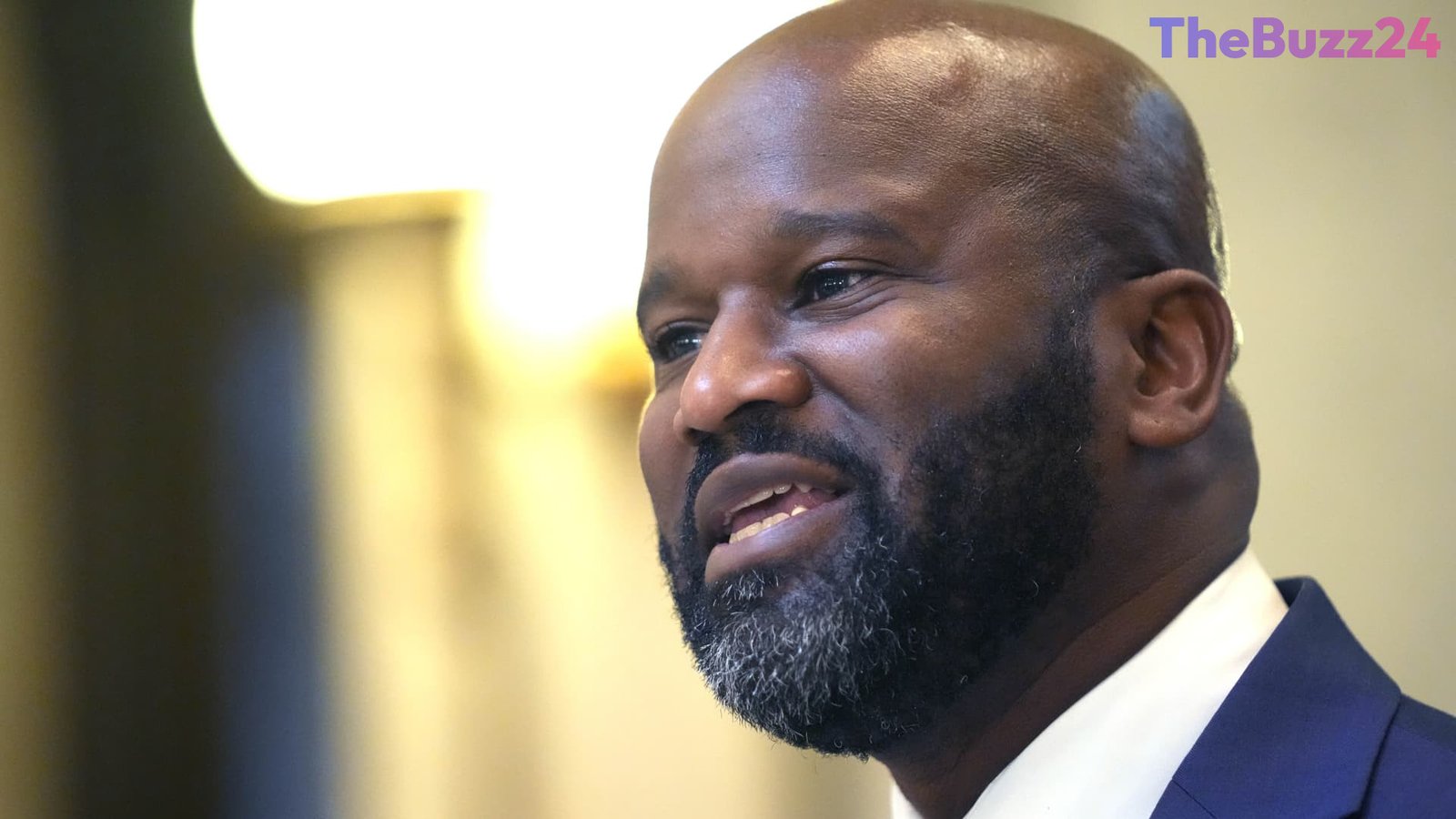
In a calculated political maneuver, independent Senate candidate Ty Pinkins has revealed that his decision to remain in the Mississippi race was a strategic effort to influence the outcome between Democratic nominee Scott Colom and Republican incumbent Sen. Cindy Hyde-Smith. Despite realizing early in the spring that his own path to victory was non-existent, Pinkins maintained his candidacy to act as a spoiler, specifically targeting Republican-leaning voters who were dissatisfied with the incumbent.
As the vote count remains exceptionally tight, with Colom holding a narrow lead of less than 2,000 votes, Pinkins’ role has come under intense scrutiny. The candidate, an Army veteran and attorney, admitted that he intentionally limited his campaign appearances to avoid drawing support away from Colom. Instead, he focused his limited outreach on counties with lower Black populations, successfully capturing a segment of the electorate that might otherwise have defaulted to the Republican ticket.
Pinkins defended his strategy by noting that he provided an alternative for voters who were reluctant to support Hyde-Smith but were not yet ready to cross party lines to vote for a Democrat. By positioning himself as a protest vote for disillusioned conservatives, he believes he effectively split the Republican base. While the final results are still being finalized, the impact of his candidacy highlights the significant influence that third-party or independent candidates can exert in high-stakes, polarized elections.
Key Takeaways
- Independent candidate Ty Pinkins intentionally stayed in the race after realizing he could not win to act as a spoiler against Republican Sen. Cindy Hyde-Smith.
- Pinkins strategically campaigned in areas with low Black populations to avoid splitting the vote with Democratic nominee Scott Colom.
- The race remains extremely close, with Colom leading by a margin smaller than the total votes secured by Pinkins.
Editor’s Analysis & Impact
The case of Ty Pinkins serves as a masterclass in modern political strategy, illustrating how an independent candidate can fundamentally alter the math of a statewide election without ever intending to hold office. By identifying a specific segment of ‘disenchanted’ Republican voters, Pinkins was able to weaponize his own candidacy to benefit the Democratic nominee. This development underscores a growing trend in American politics where the presence of a third-party candidate is no longer just a nuisance for major parties, but a critical variable that can determine the balance of power in the Senate. Moving forward, this strategy may encourage more candidates to run as ‘spoilers’ in tight races, potentially forcing major parties to reconsider how they manage voter dissatisfaction and party loyalty in deep-red or deep-blue strongholds.
Frequently Asked Questions
Q: Why did Ty Pinkins stay in the race if he knew he couldn't win?
A: Pinkins stayed in the race to act as a spoiler, specifically to draw votes away from Republican incumbent Cindy Hyde-Smith and improve the chances of Democratic nominee Scott Colom.
Q: How did Pinkins avoid taking votes away from the Democratic candidate?
A: He intentionally avoided campaigning in areas with large Black populations and instead focused his efforts on counties with lower Black populations where he could appeal to Republicans dissatisfied with the incumbent.
AI Disclosure: This article is based on verified data and official reports. Our Team and AI have cross-referenced every financial detail with primary sources to ensure total accuracy.
More from this Category