Political Tides Reshape U.S. Economy, Yet Costco’s Options Market Surges
The 2026 midterm elections have ushered in a significant transformation of the national regulatory landscape, with Democrats securing control of both chambers of the U.S. Congress and achieving notable victories in states traditionally considered business-friendly, such as Texas and South Carolina. This political realignment signals a departure from the previous two decades, which saw Southern states attract substantial corporate migration due to less regulation and lower taxes. Companies that relocated, along with new ventures, now face an environment increasingly characterized by stricter oversight, particularly concerning energy and building regulations.
This shift has created immediate headwinds across several key sectors. Information technology, semiconductors, and traditional energy companies have felt the impact, with firms at the forefront of the artificial intelligence (AI) boom, including CoreWeave, Tesla, and SpaceX, experiencing declines in share prices. Markets are now pricing in the likelihood of tighter Democratic regulatory oversight and potential restrictions on AI deployment, exemplified by proposals like Senator Bernie Sanders’ data center moratorium. The U.S. hyperscale data center pipeline, a critical component of the AI infrastructure, faces heightened regulatory friction, including potential tax increases, “bring your own power” mandates, and delays for air permits, leading to rising construction costs and extended timelines that could slow demand for advanced chips.
Amidst these broad market adjustments, the energy sector has also seen dramatic shifts. Traditional oil and gas majors have experienced declines, while solar and green energy stocks have surged on expectations of renewed federal subsidies from a Democratic Congress. Geopolitical factors, such as the U.S.-Israel war with Iran, initially pushed crude prices higher. However, the perception of a politically weakened Trump administration, potentially more inclined towards a negotiated settlement as indicated by Secretary of State Marco Rubio, led to a sharp plunge in crude prices, with Brent falling below $95 per barrel. Defense contractors also faced market hits due to anticipated congressional resistance to the proposed $1.5 trillion Pentagon budget.
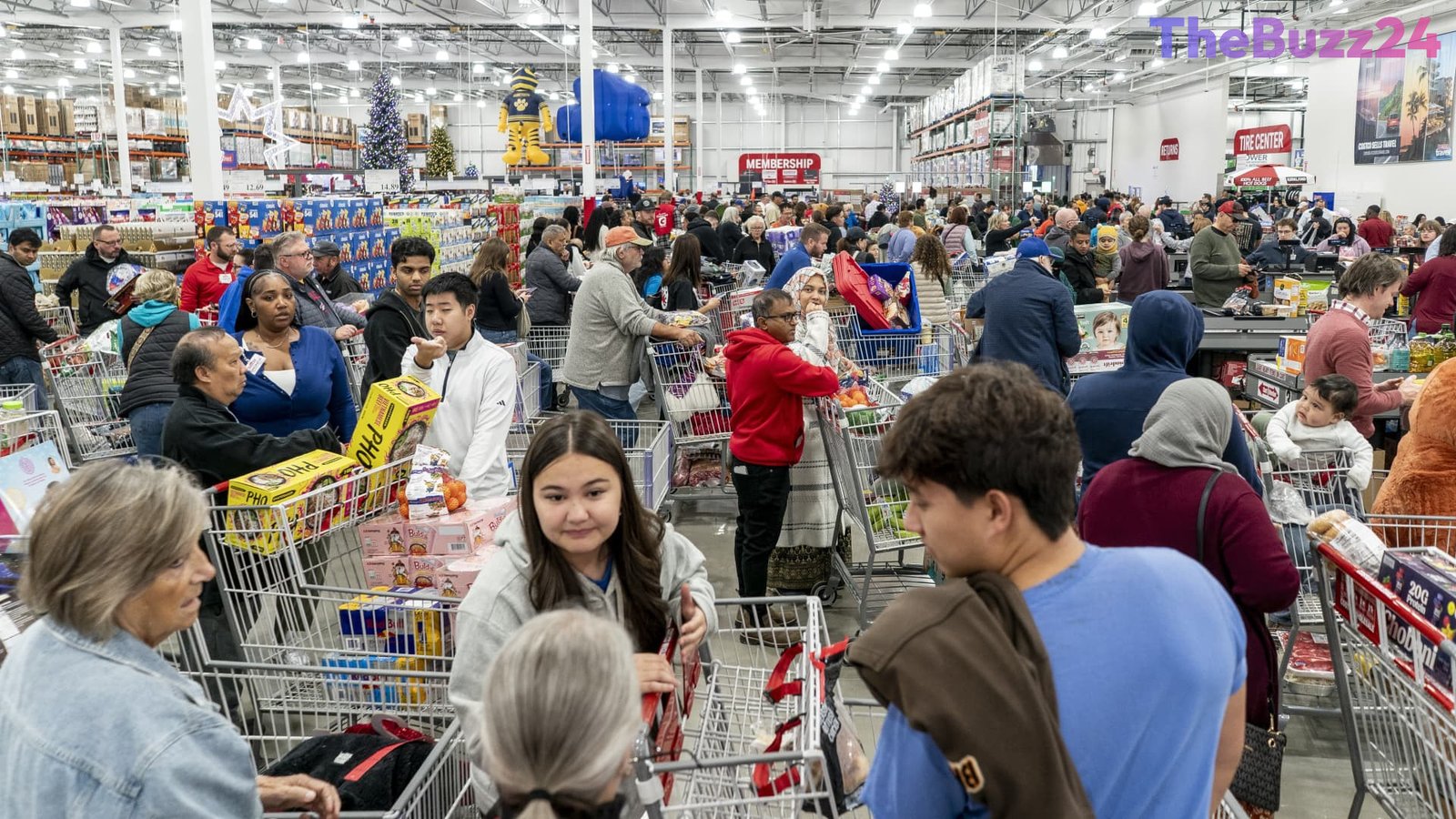
In stark contrast to these widespread market pressures, consumer-focused sectors like healthcare and grocery have shown resilience. Companies such as Walmart, Kroger, Dollar General, and notably Costco, have maintained or exceeded pre-election levels, driven by expectations of increased federal spending in these areas. Costco, in particular, stood out by closing higher on a recent Thursday and ranking as the 15th most active single-stock option in notional terms, surpassing major players like JP Morgan and Oracle. Despite its consistently high valuation, trading at roughly 46x forward earnings and with a stock price exceeding $1,065 per share, investors are actively engaging with Costco through short-dated call options. This strategy allows them to gain exposure to the high-priced stock for a significantly lower capital outlay than purchasing shares directly, with some employing call spread strategies to further manage costs and capitalize on anticipated price movements.
Key Takeaways
- The 2026 midterm elections led to a significant shift in U.S. regulatory policy, impacting sectors like IT, semiconductors, and traditional energy, while boosting green energy and consumer staples.
- AI companies, including CoreWeave, Tesla, and SpaceX, faced market headwinds due to anticipated tighter regulatory oversight and potential restrictions on data center development.
- Costco demonstrated remarkable resilience, with its stock closing higher and experiencing unusually high options trading volume, as investors utilized options to gain exposure to its high-priced shares amidst market uncertainty.
Editor’s Analysis & Impact
The recent political shifts underscore a fundamental re-evaluation of investment landscapes, particularly for industries reliant on energy, infrastructure, and advanced technology. The increased regulatory scrutiny on AI and data centers could slow innovation and deployment in the short term, forcing companies like CoreWeave and Tesla to adapt their growth strategies. Conversely, the renewed focus on green energy and consumer spending suggests a potential reallocation of capital towards sustainable technologies and defensive sectors. This environment may favor companies with strong balance sheets and adaptable business models. The surge in options trading for a stable, high-value stock like Costco highlights a broader market trend where investors seek leveraged exposure and risk management tools in volatile times, indicating a sophisticated approach to navigating political and economic uncertainties.
Frequently Asked Questions
Q: How did the 2026 midterm elections impact the U.S. economy?
A: The elections led to Democrats gaining control of Congress, resulting in a shift towards tighter regulatory oversight, particularly in energy and building sectors. This created headwinds for IT, semiconductors, and traditional energy, while boosting green energy and consumer-focused industries.
Q: Why did AI companies like CoreWeave and Tesla see their stock prices slide?
A: These companies faced declines due to market expectations of tighter Democratic regulatory oversight on AI deployment and potential restrictions on data center development, including proposals for moratoriums and increased construction costs.
Q: Why was Costco's stock resilient and its options trading volume high despite market shifts?
A: Costco, along with other grocery and healthcare stocks, benefited from expectations of increased federal spending in consumer-focused areas. Its high stock price and valuation also made call options an attractive way for investors to gain exposure to the company's performance with a lower capital outlay compared to buying shares directly.
AI Disclosure: This article is based on verified data and official reports. Our Team and AI have cross-referenced every financial detail with primary sources to ensure total accuracy.
More from this Category